Part 1: The Avoidance Trap
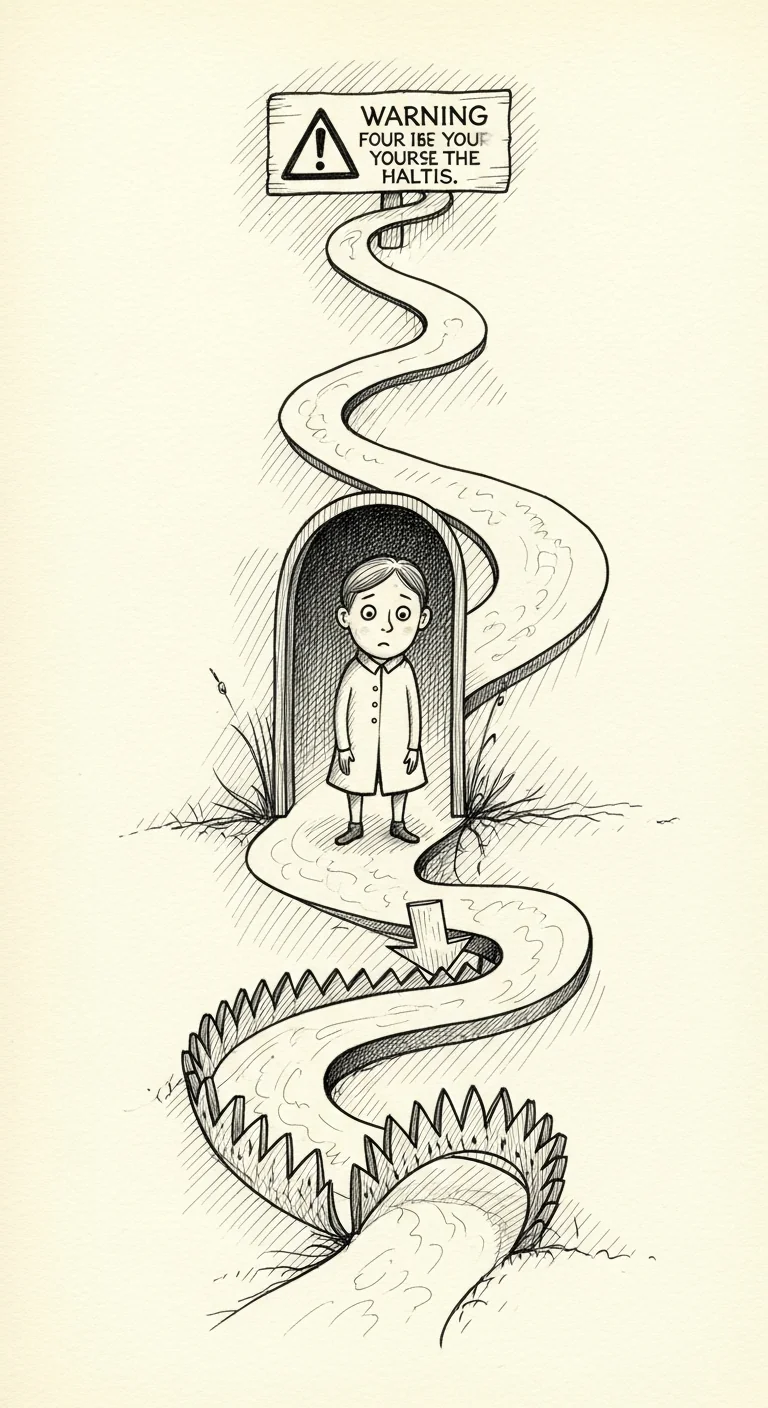
Yesterday you learned to challenge anxious thoughts. Today we're tackling something even more fundamental: the avoidance trap. This pattern explains why some people's anxiety gets WORSE over time even though they're 'being safe.'
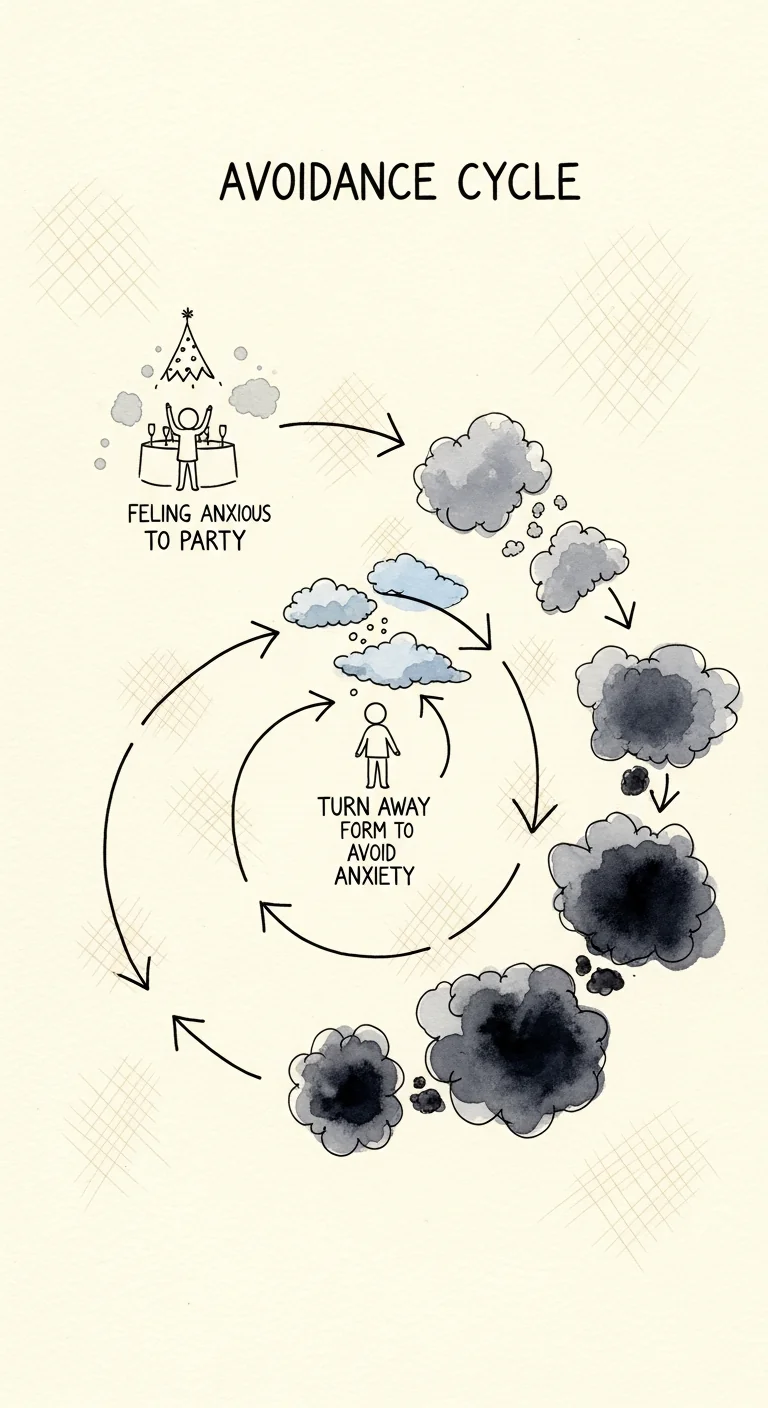
The pattern: Social situation → Anxiety → Avoid the situation → Immediate relief! But then next time the anxiety is STRONGER. You've trained your brain: 'That situation is dangerous. Good thing you stayed safe.' Your amygdala logs this as a real threat.
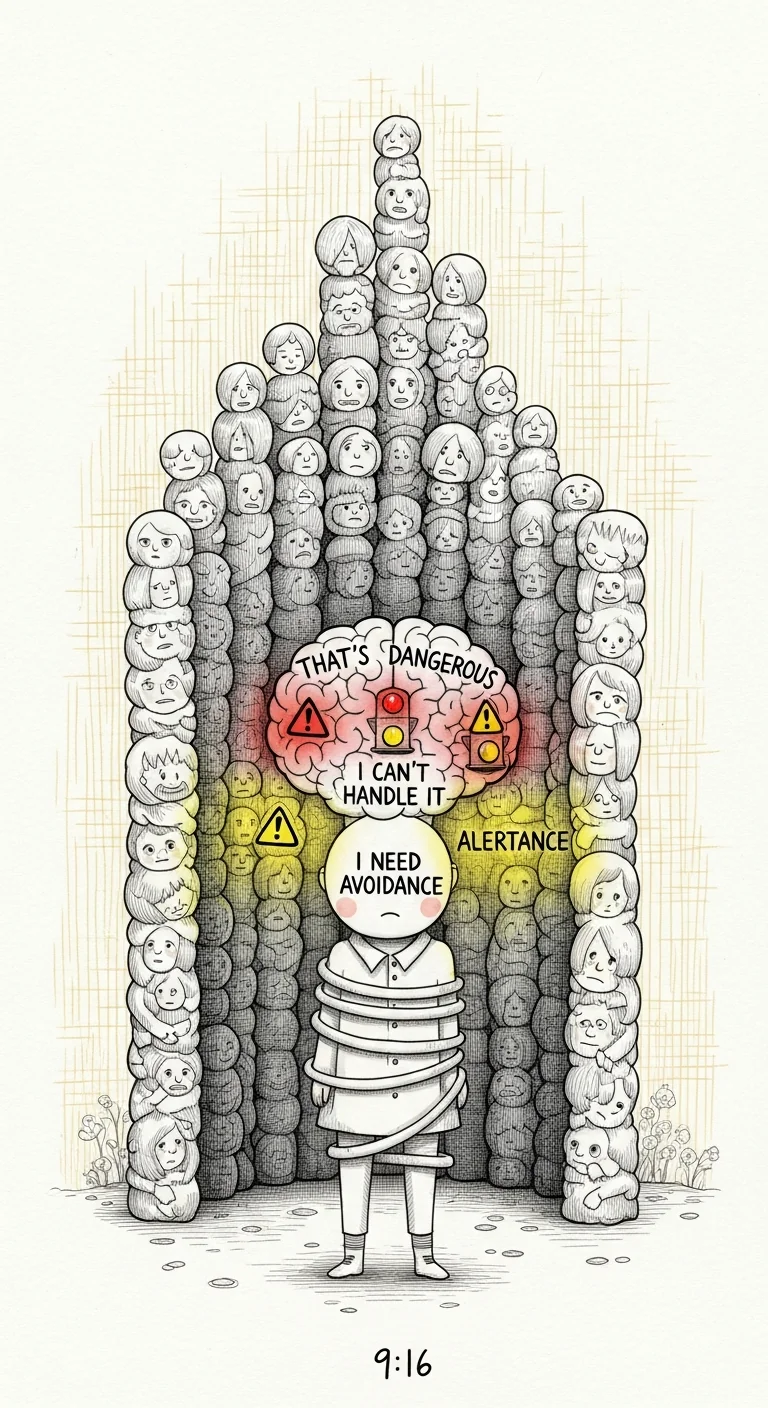
Every time you avoid, you teach your brain three harmful messages. Message 1: 'That situation IS dangerous.' You confirm your brain's fear assessment. Message 2: 'I can't handle it.' You never gather evidence that contradicts your fears. Message 3: 'I need avoidance to be safe.' You become dependent on it.
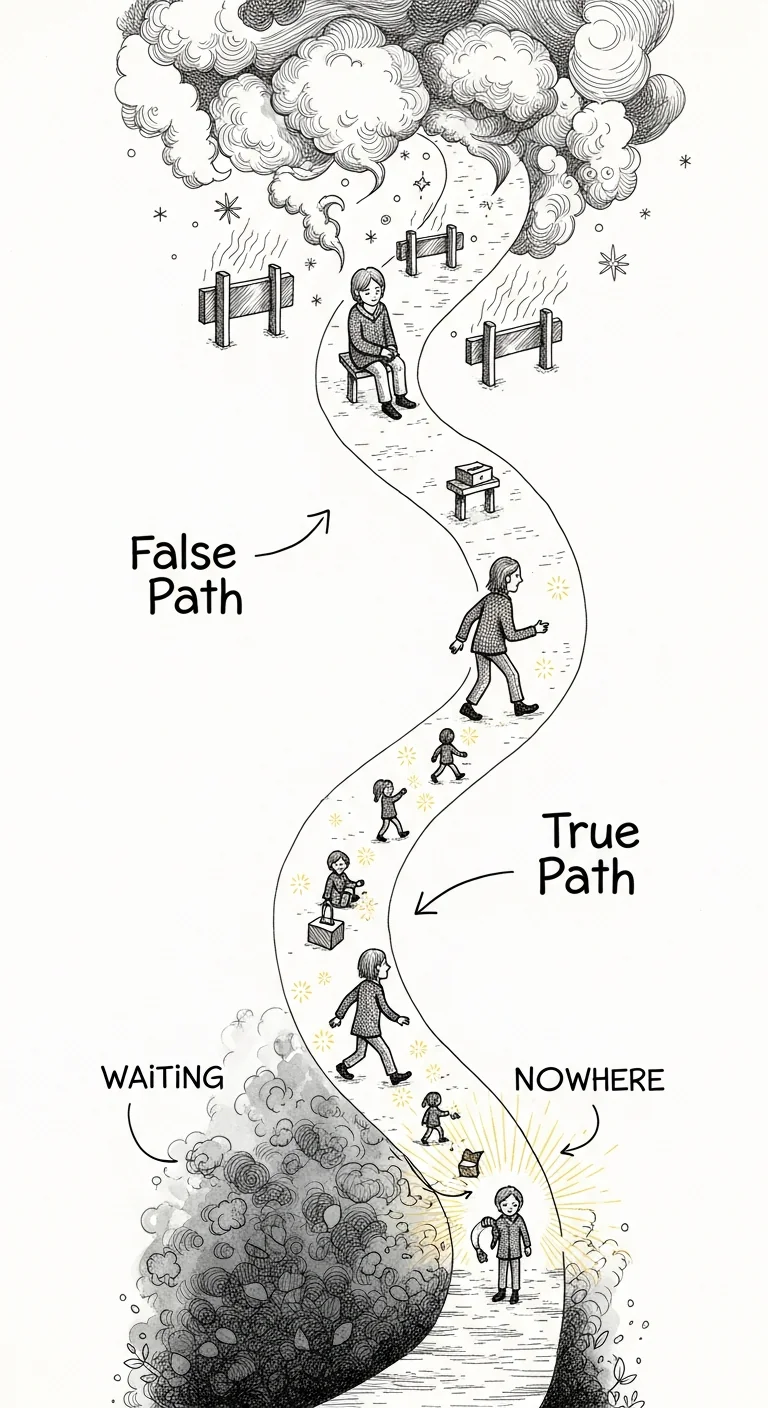
Here's the Confidence Paradox: Your anxious brain says, 'I'll engage in social situations once I feel confident.' But the truth is the opposite: 'I'll feel confident BY engaging in social situations—starting small.' Confidence isn't the starting point. It's the destination you reach through action.
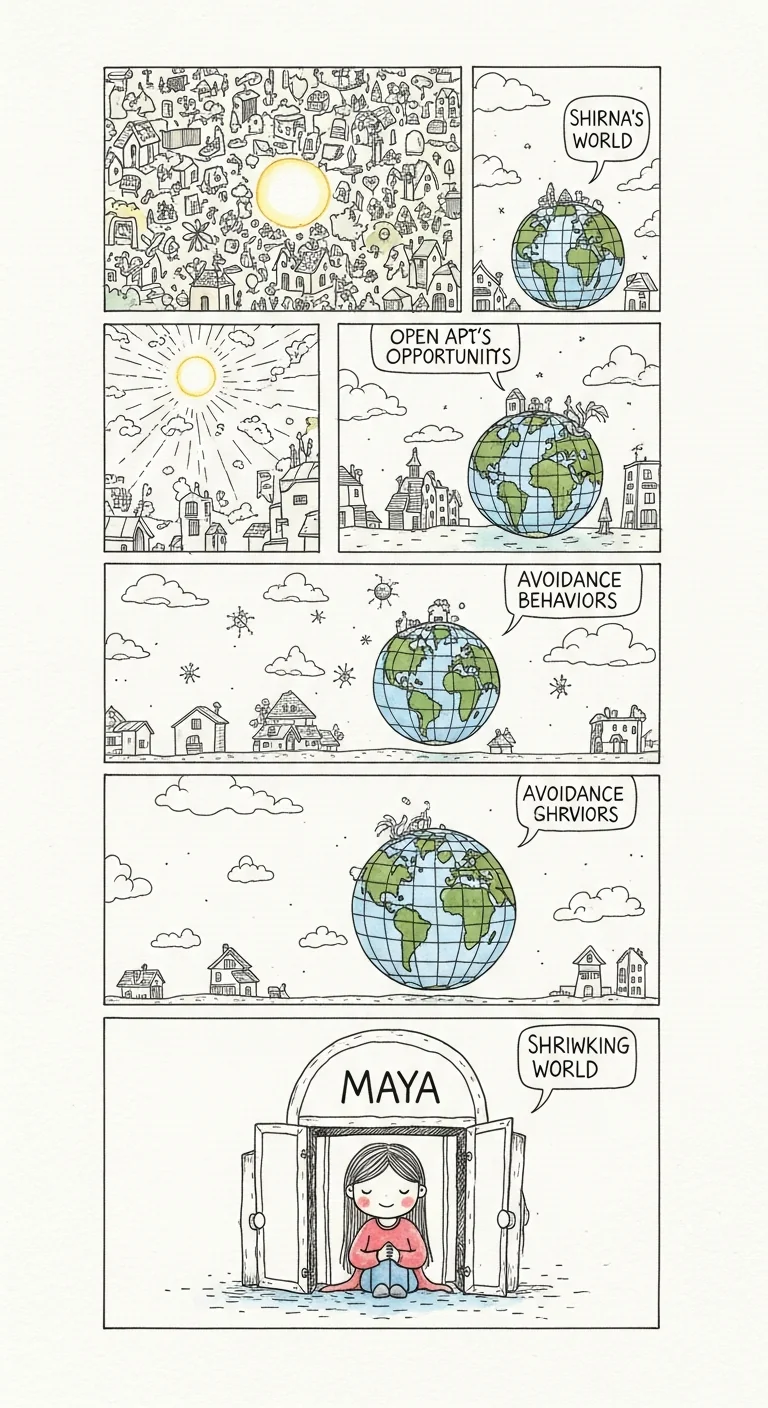
Maya's story: She felt anxious at a networking event, so she left early for immediate relief. But next event? Worse anxiety. She avoided again. And again. Six months later, even thinking about networking triggered panic. Her world—and her opportunities—had shrunk dramatically.
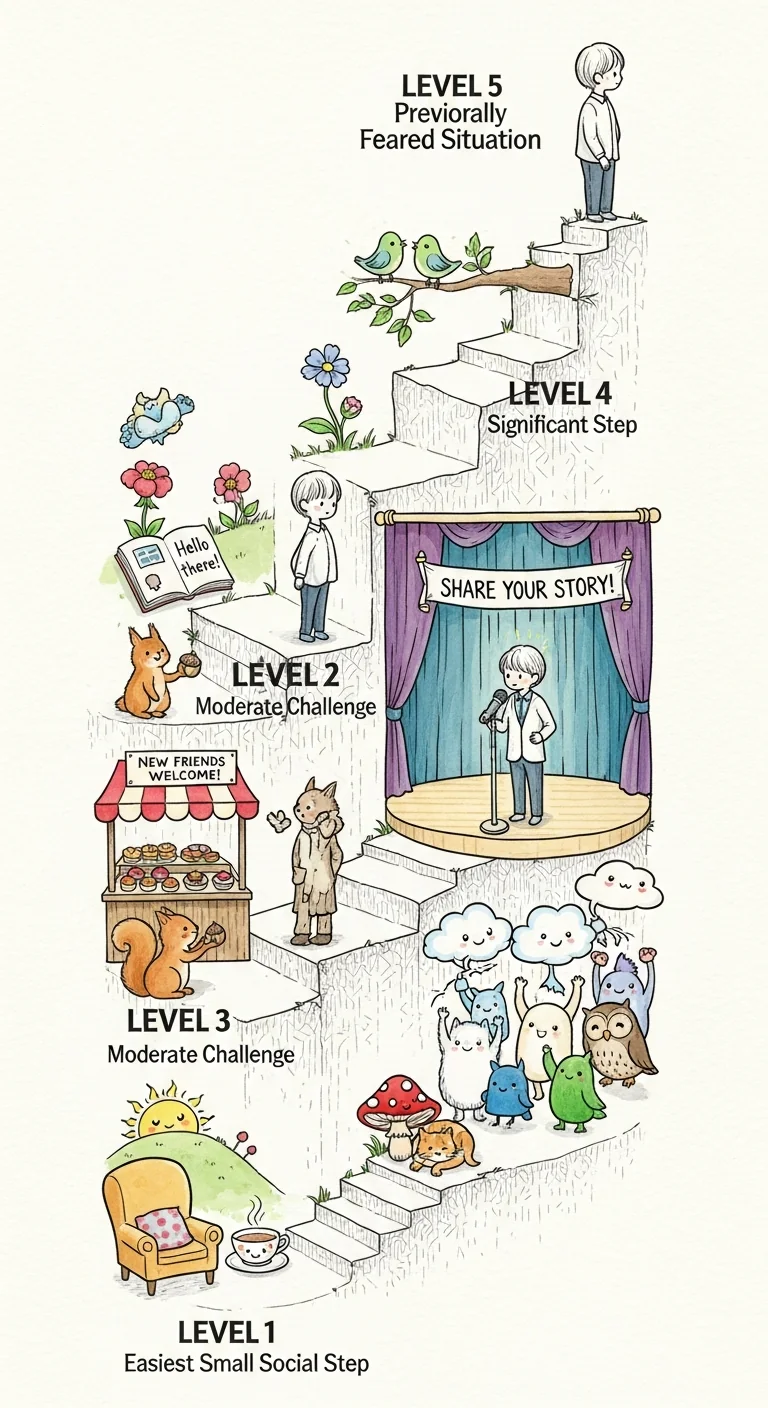
But avoidance isn't your only option. There's a third path: graduated exposure. Instead of avoiding completely OR jumping into the deep end, you gradually expose yourself to feared situations in a structured way, starting with the easiest and building up. You collect evidence that your fears don't materialize.
Part 2: Breaking the Avoidance Cycle
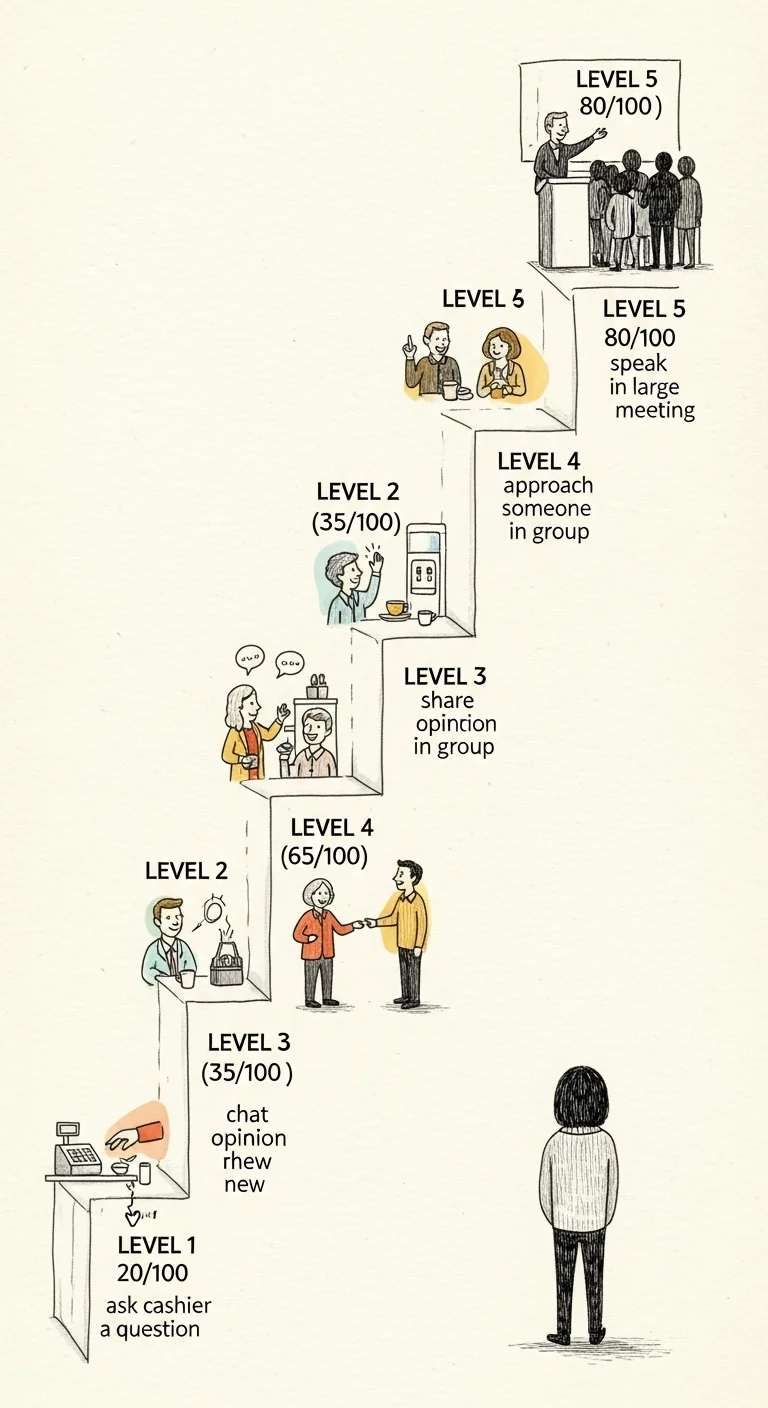
Let's make graduated exposure concrete. First, create a hierarchy of feared social situations arranged from easiest (low anxiety) to hardest (high anxiety). Your goal isn't to conquer level 5—it's to master levels 1-4 so level 5 becomes manageable.
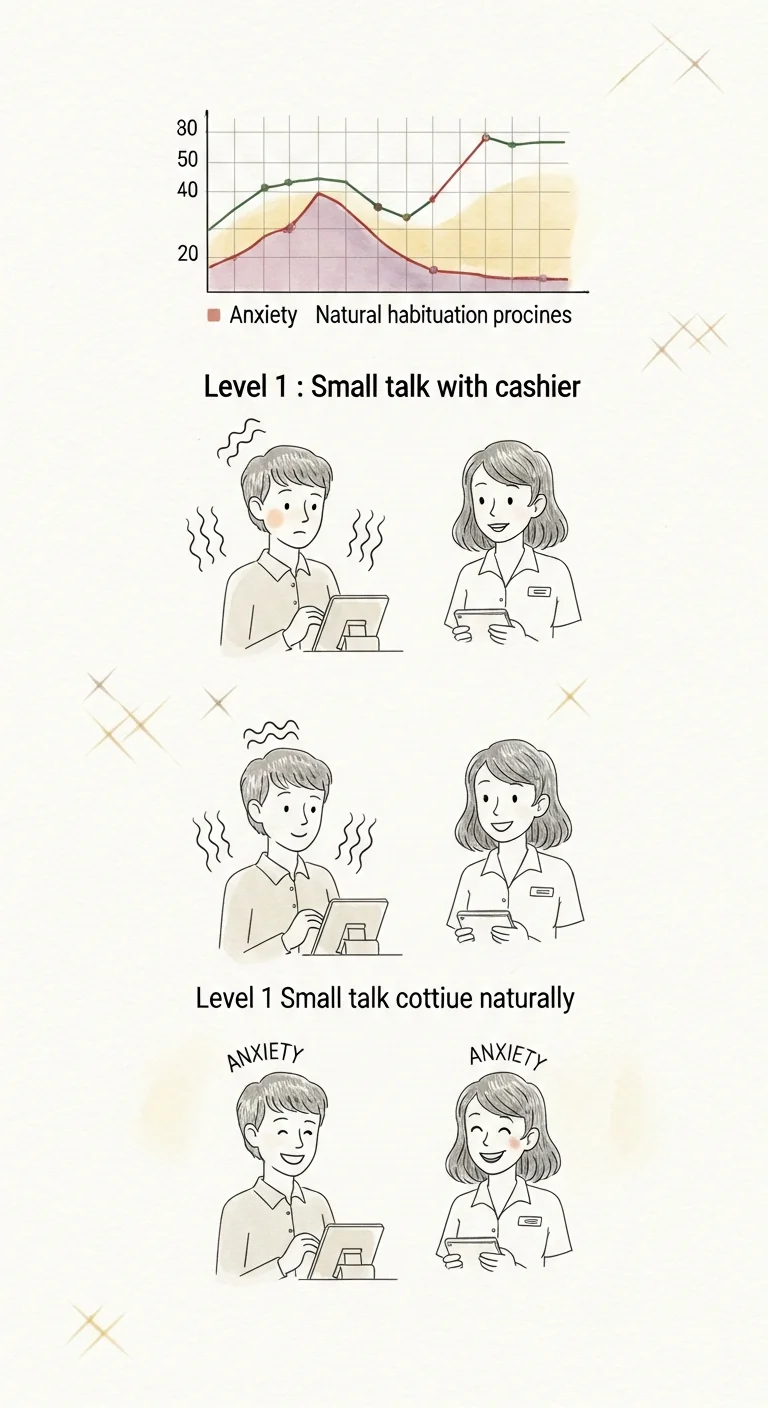
Here's how it works: Start with level 1. Do it. Stay in the situation until your anxiety naturally reduces by 50%. Your body's habituation system will kick in—anxiety decreases with time. Repeat level 1 until it feels manageable.
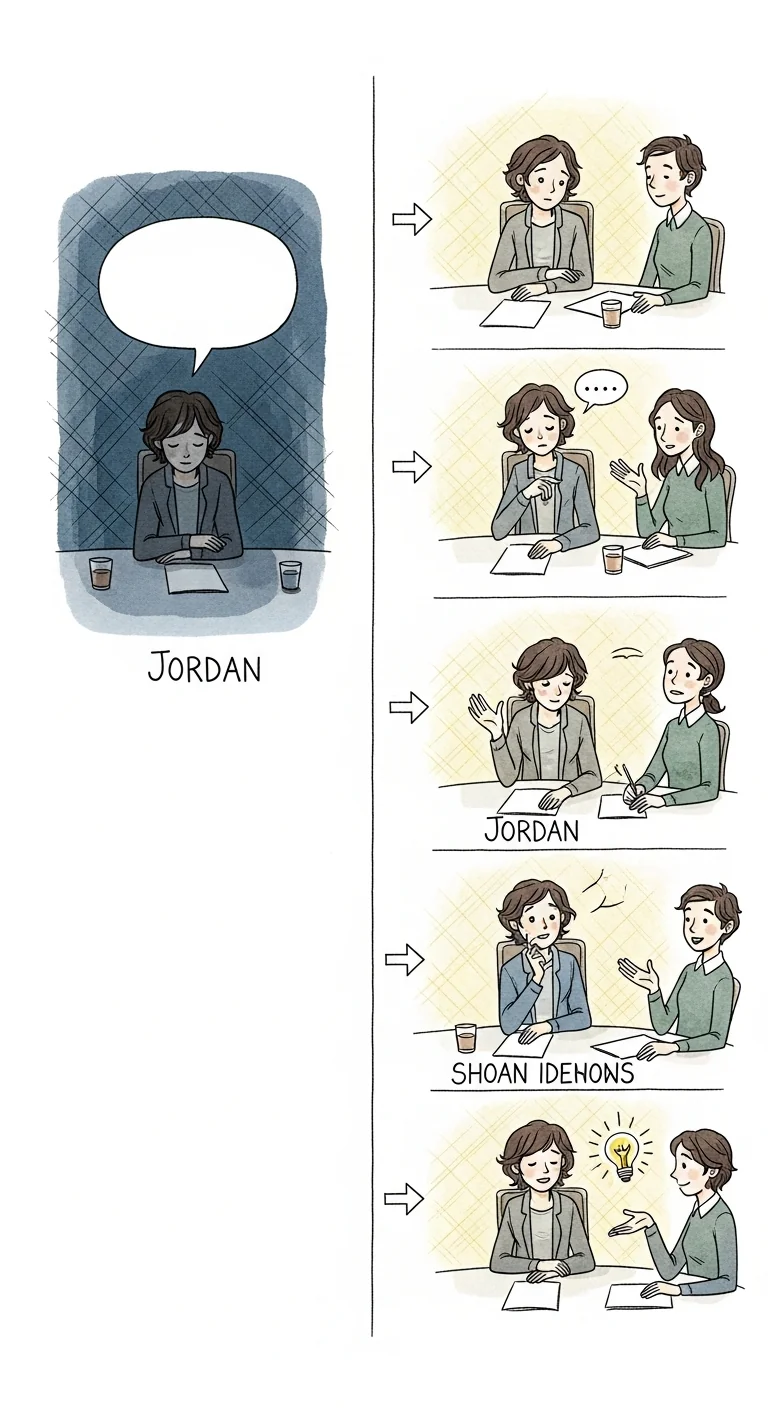
Jordan's story: He stayed silent in meetings to avoid judgment. But silence meant his ideas never got heard, his capabilities went unnoticed, and his career stalled. When he finally used graduated exposure (started small: one comment per meeting), something shifted.
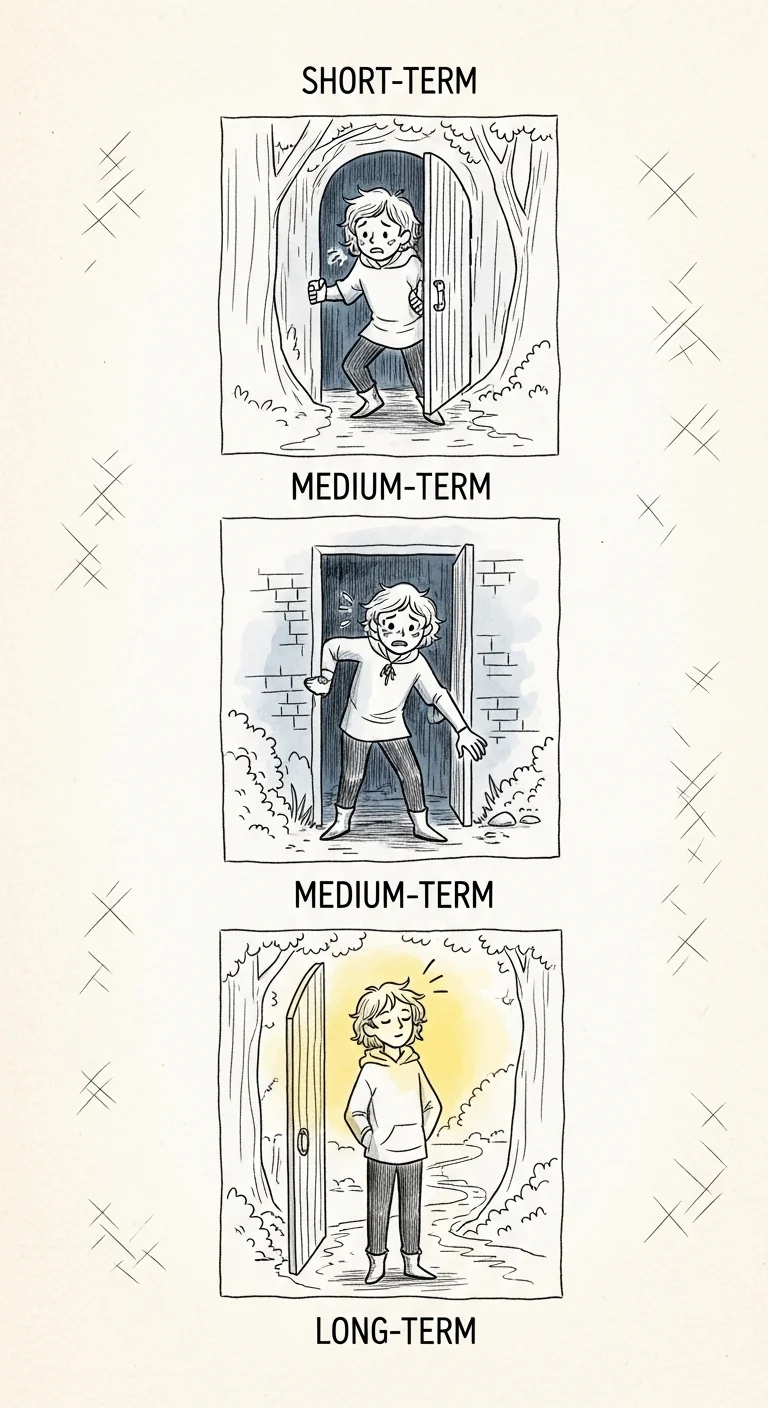
When you actually face a feared situation (rather than avoid it), anxiety increases SHORT-TERM, which feels counterintuitive. But this is the work that changes you. You're updating your brain's threat assessment. 'I thought that was dangerous. I actually handled it. I need to update my safety files.'
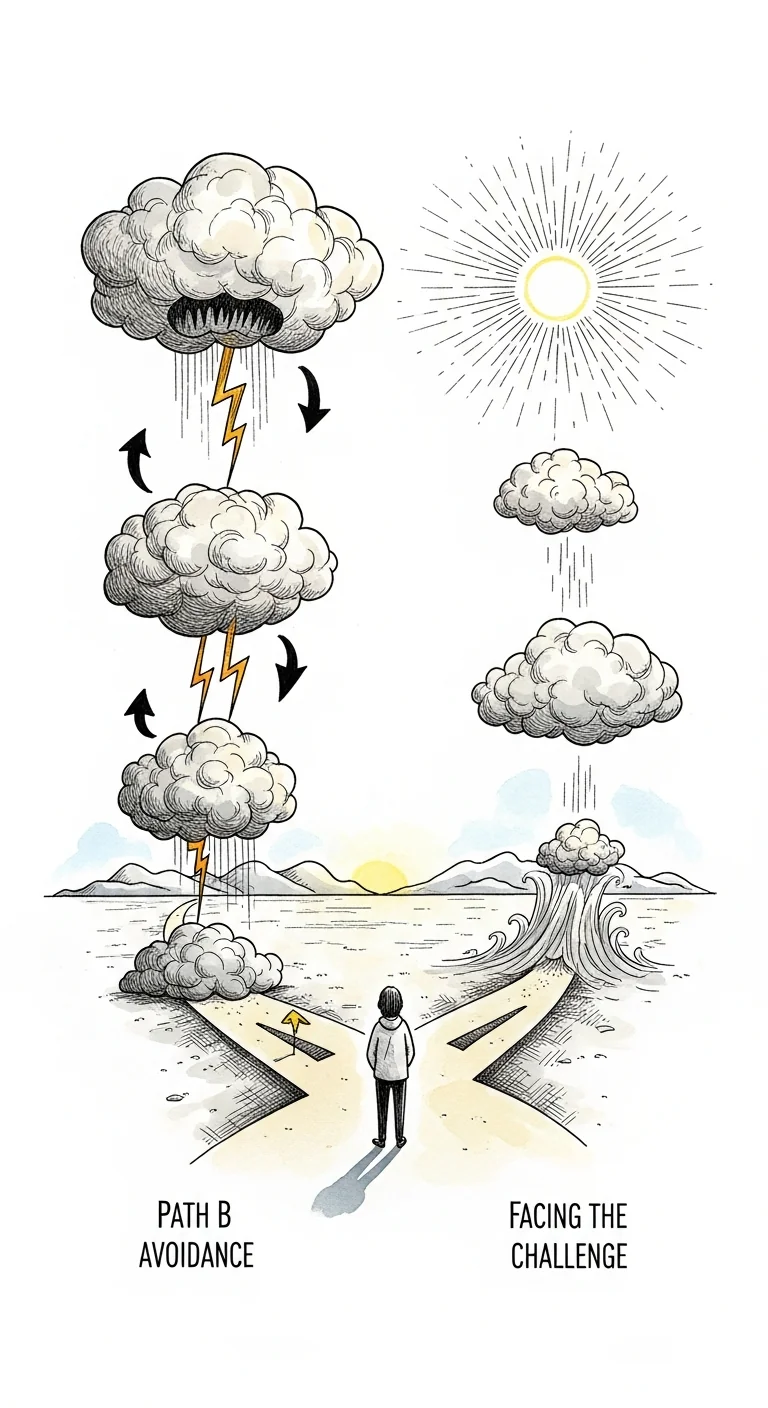
This is why avoidance feels so tempting—it provides immediate relief. But relief without exposure means no learning. No new evidence. No rewiring. Whereas facing discomfort with support and structure creates lasting change because your brain actually learns something new.
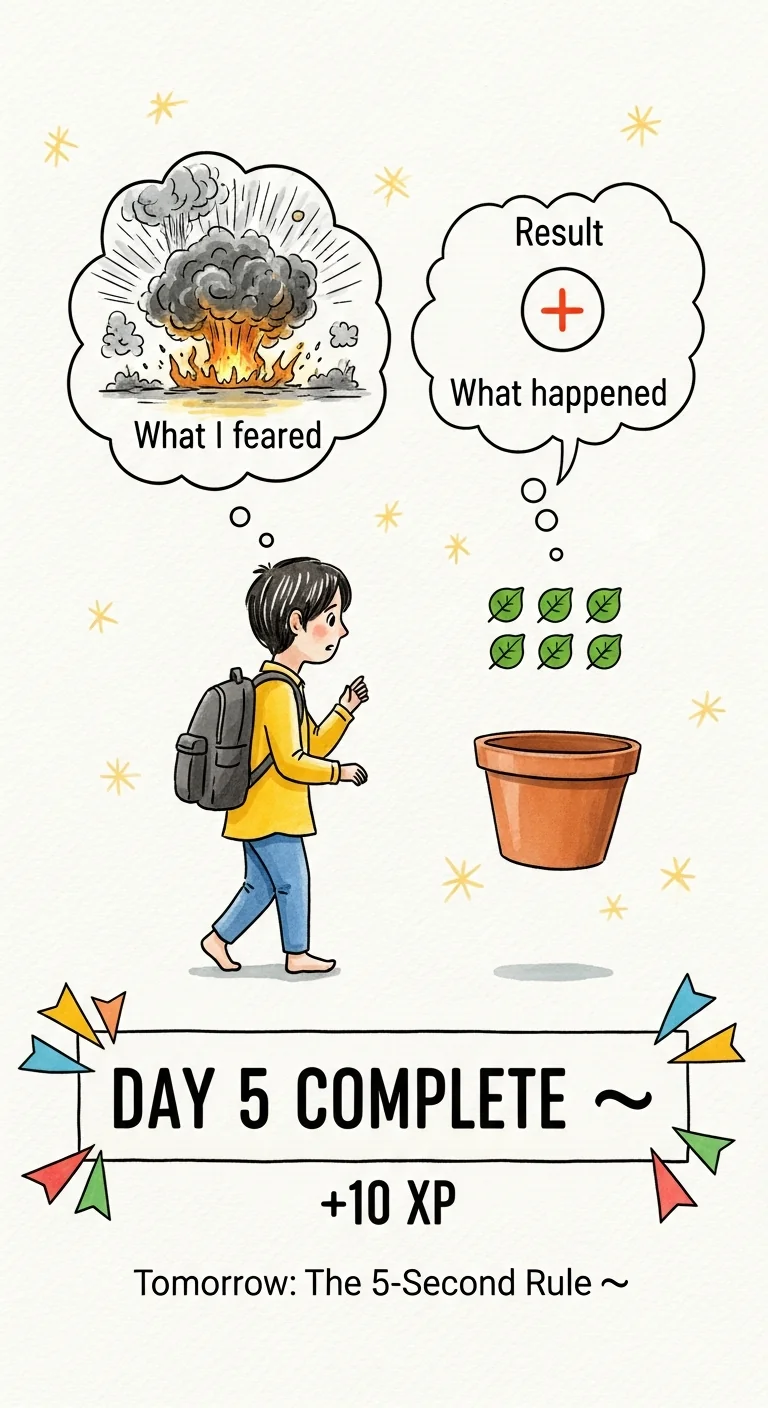
Your challenge today: Identify ONE social situation you'd normally avoid or cut short. Instead of avoiding, stay 5 minutes longer than usual OR engage one degree more (ask a question instead of staying silent). Afterward, note what you feared vs. what actually happened. This evidence rebuilds confidence.