Part 1: Building Your Confidence Maintenance Plan
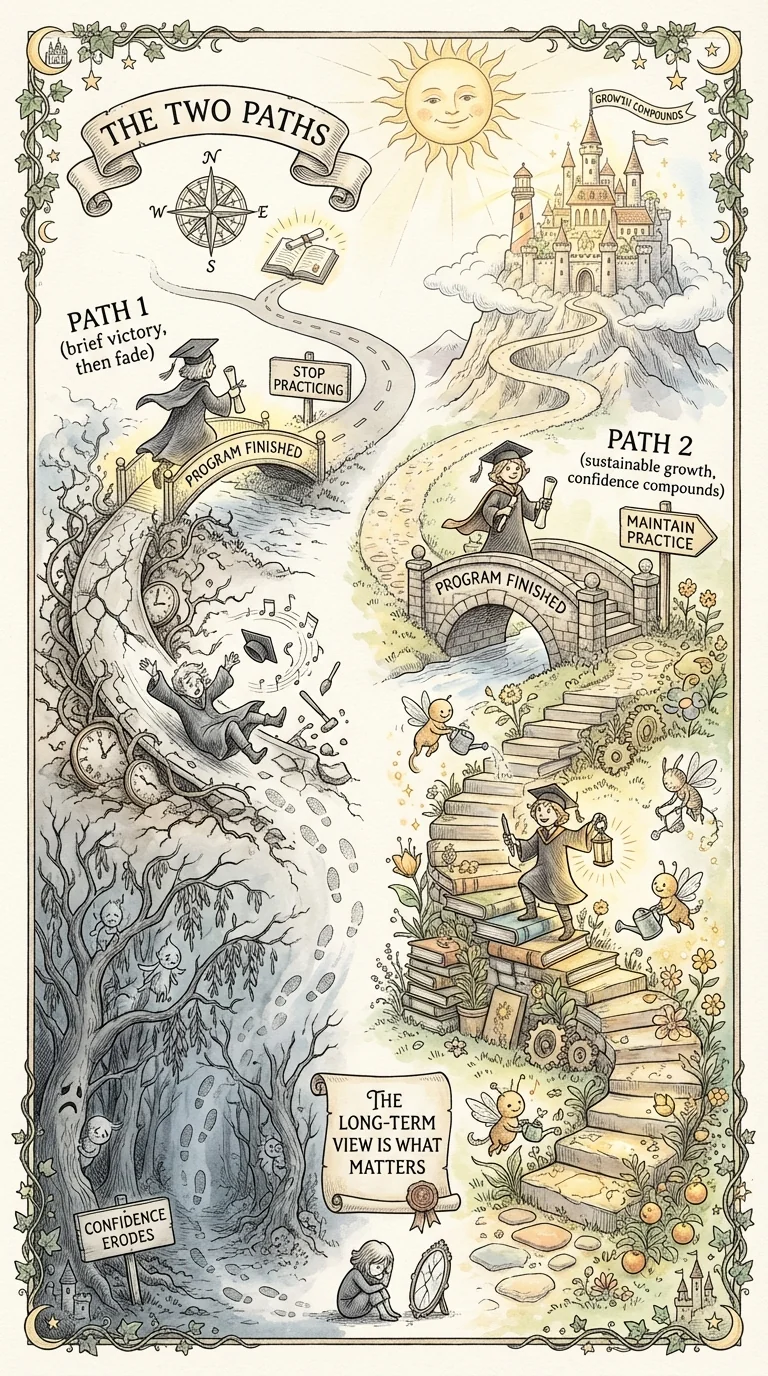
Here's the reality most programs won't tell you: Completing 21 days is amazing. But confidence isn't 'fixed' at Day 21. Confidence requires ongoing practice. Setbacks will happen. Old patterns will sometimes resurface. Maintenance is part of the process. This isn't failure—it's reality. The difference between people who sustain growth and people who slide back? The maintenance plan. The mindset. The commitment to practice beyond the program. This day teaches you to build your own system—because lasting confidence comes from sustainable practice, not from finishing a course.
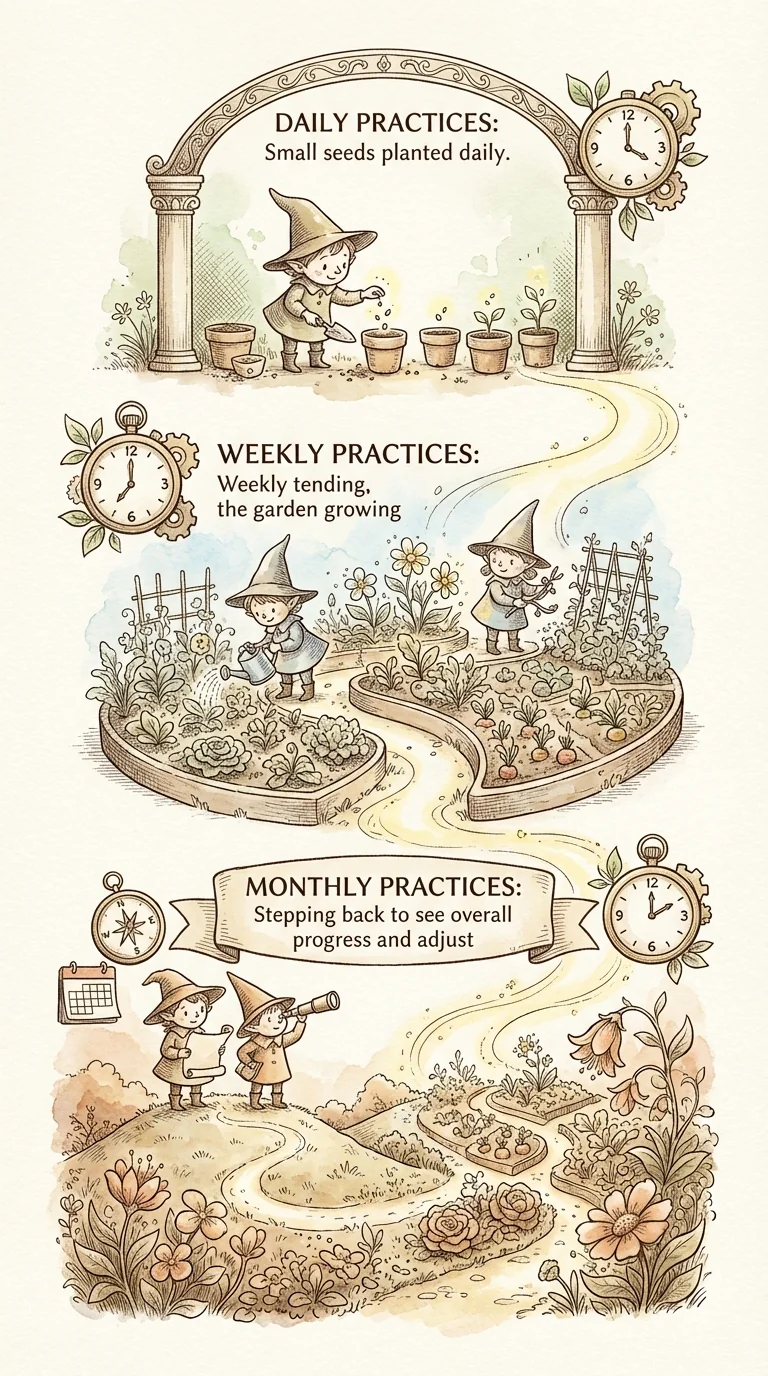
The maintenance mindset: Don't think: 'Once I finish, I'm done.' Think: 'I'm building a practice that continues.' Analogy: Physical fitness doesn't end when you finish a program. The program taught you HOW to maintain fitness long-term. Same with confidence. The 21 days taught you the skills, psychology, and practices. Now you learn to maintain them. Daily practices (5-10 minutes): Morning confidence check-in, 5-second rule practice, self-compassion moment, active listening reminder, evening reflection. Choose 2-3 that resonate. Weekly practices (15-30 minutes): Social challenge, progress review, connection time, tool refresh. Monthly practices (30-60 minutes): Big picture assessment, adjust and refine, celebrate progress, update goals.
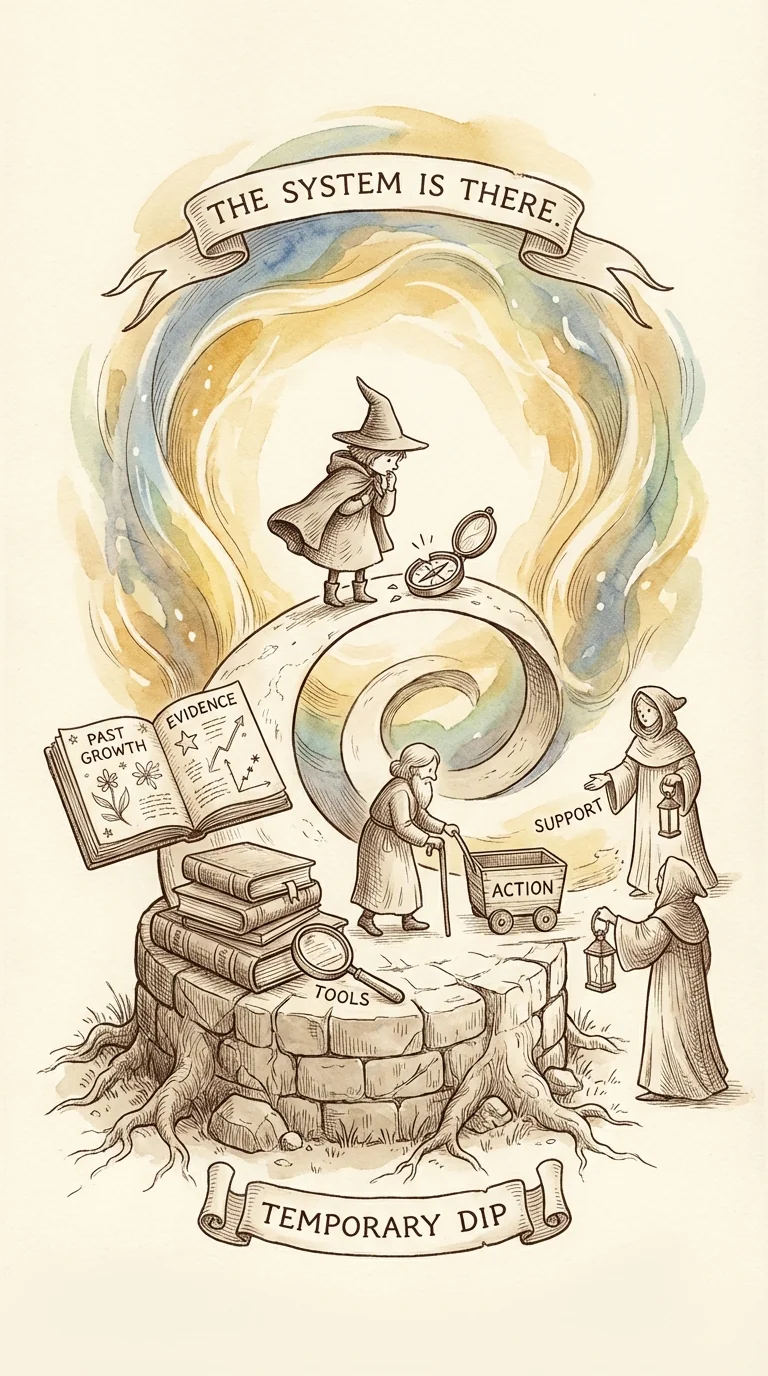
When confidence dips (it will): Normal scenarios: Particularly awkward social experience, series of rejections, high-stress life period, comparison to others, major life transition. When this happens: 1) Normalize it—'Confidence isn't linear. Temporary dip ≠ back to square one.' 2) Return to basics—go back to foundational tools (spotlight effect, self-compassion, cognitive restructuring, 5-second rule). 3) Review progress—look at your confidence journal. Remind yourself how far you've come. 4) Take one small action—don't wait to feel confident again. Act. 5) Seek support—talk to someone. Sometimes we need external perspective. Dips are part of the journey. They don't mean failure.
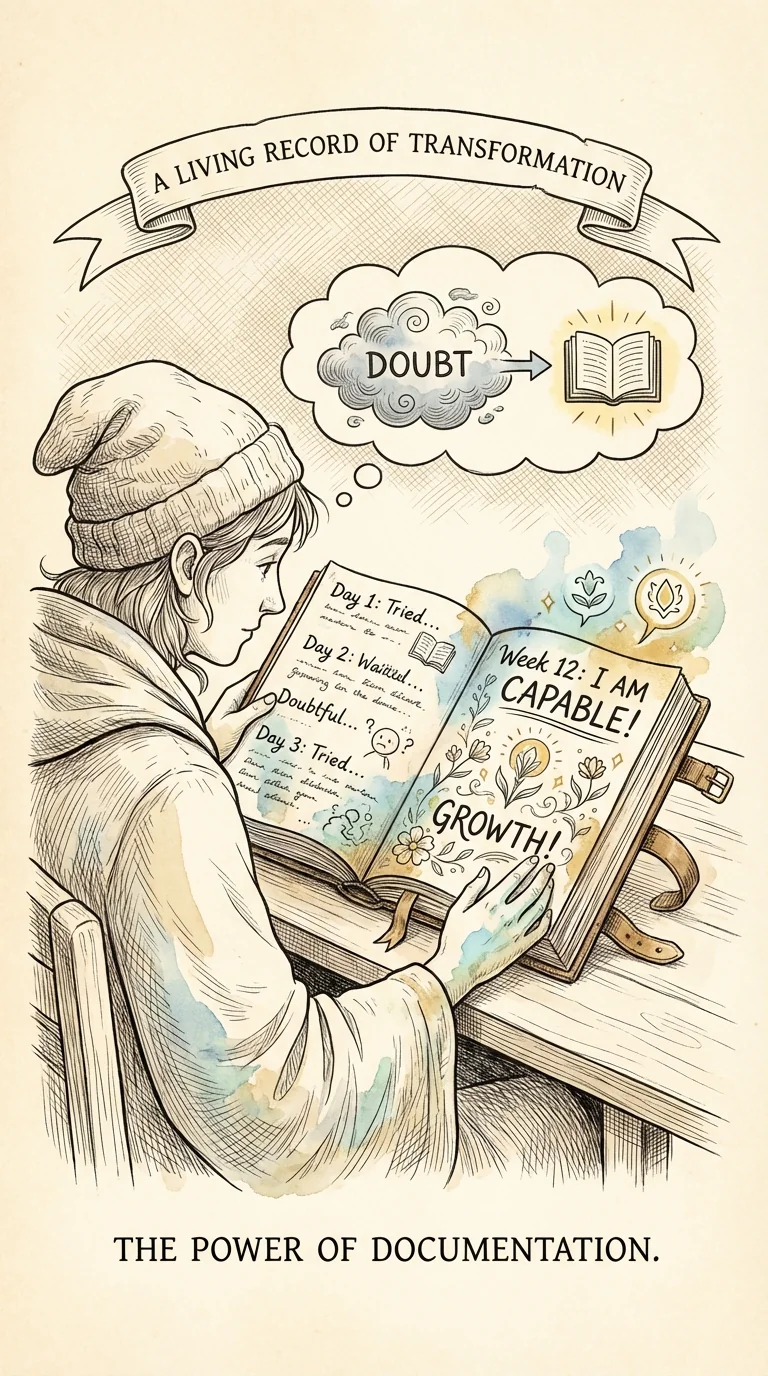
The confidence journal—powerful long-term tool. Keep simple log (digital or physical): Daily entry (2-3 minutes): Social situation or challenge, what went well, what you learned, tomorrow's intention. Weekly summary: Overall theme, biggest win, key learning, next week's focus. Why it works: Tracks actual progress (not just feeling), provides evidence for growth, helps identify patterns, maintains motivation. The difference: Without a journal, you rely on memory—which is faulty. With a journal, you have documented evidence of growth. This is the most powerful tool for staying grounded when confidence wavers.

Creating your personal system: Questions to answer: 1) Which daily practice will I commit to? (Pick 1-2 most valuable). 2) What day/time will I do weekly review? (Schedule like appointment). 3) Where will I track progress? (Journal, app, document). 4) Who's my accountability person? (Friend, family, therapist—optional but helpful). 5) What's my reward system? (Small rewards for consistency: weekly, monthly milestones). Make this plan yours. Generic templates don't work—personal systems do. What works for you, specifically, given your life and schedule? That's the system that lasts.

The 80/20 principle: If you only remember 20% of this program, make it these five principles (they cover 80% of sustainable confidence): 1) Self-compassion—treat yourself like you'd treat a good friend. 2) Action over overthinking—5-4-3-2-1-GO. Act before fear builds. 3) External focus—active listening reduces anxiety and improves connection. 4) Rejection as data—not about worth, just about fit. 5) Authenticity over performance—real connection requires real you. These five principles are your foundation forever. Everything else builds on them. Part 2 teaches you to implement your maintenance system immediately.
Part 2: Your Sustainable Practice Begins
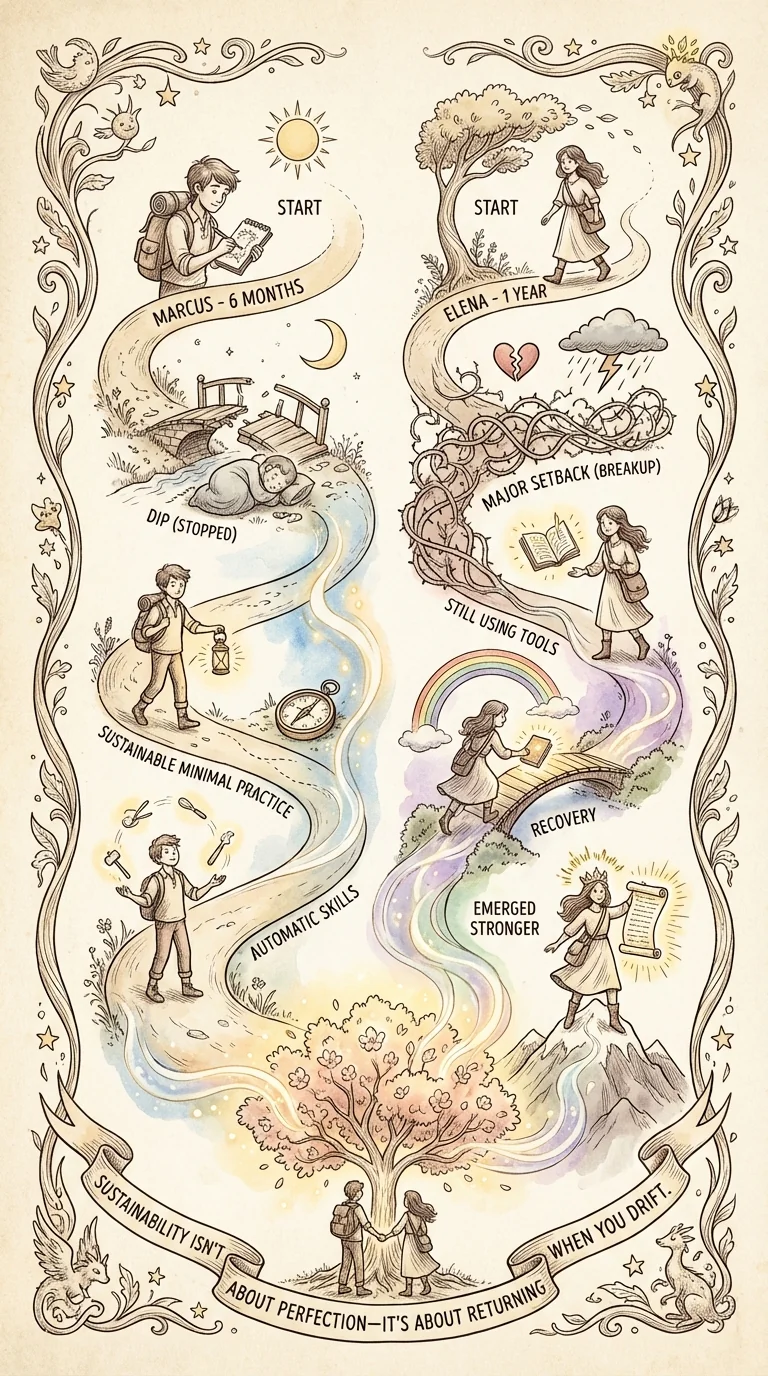
Real stories of long-term maintenance: Marcus, 6 months later: 'First month after program, I practiced daily. Then life got busy, I stopped for two weeks. Confidence noticeably dropped. I restarted with just one thing: weekly review + one social challenge per week. That was enough. Now it's been 6 months. Some skills automatic (active listening, 5-second rule). Others I still practice intentionally (boundary-setting, handling rejection). Key learning: I don't need EVERYTHING daily. But I need SOMETHING consistently.' Elena, 1 year later: 'I went through rough breakup 8 months after program. Confidence tanked. Felt like back at Day 1. But when I looked at my journal, I was still using tools. Handling situation better than old-me would. Just needed perspective. Doubled down on self-compassion and vulnerability. Within a month, stable again. Even stronger. Key: Setbacks aren't failure. They're part of journey.'
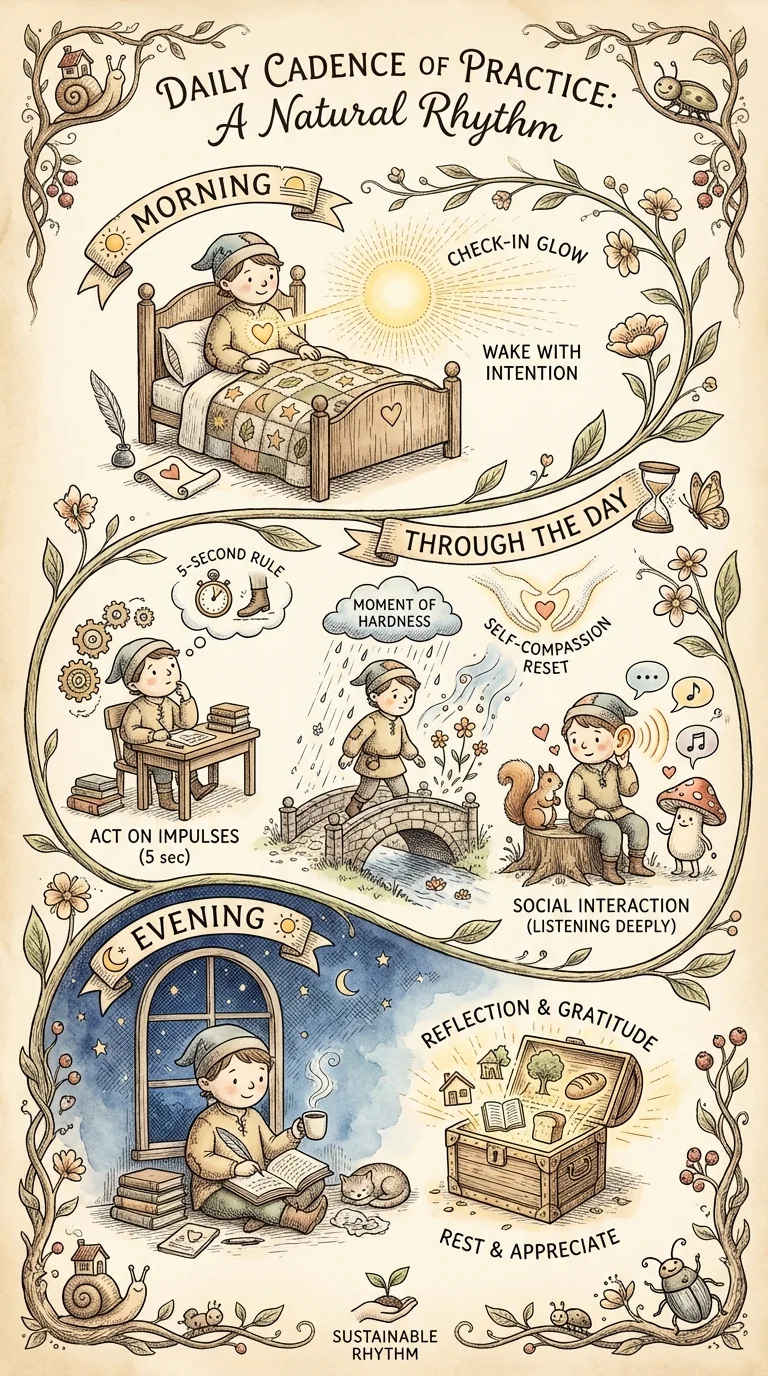
Your daily practice options (choose 1-2): 1) Morning confidence check-in (1-2 minutes): Self-compassion moment, one social intention for day. 2) The 5-second rule (throughout day): Use it at least once, act before overthinking. 3) Self-compassion moment (when harsh talk arises): Reframe, ask 'What would I tell a friend?' 4) Active listening (in one conversation): Full external focus, ask follow-up questions, reflect feelings. 5) Evening reflection (2 minutes): What went well? What did I learn? What am I proud of? These are simple, quick, but powerful. Which two feel most important to you?
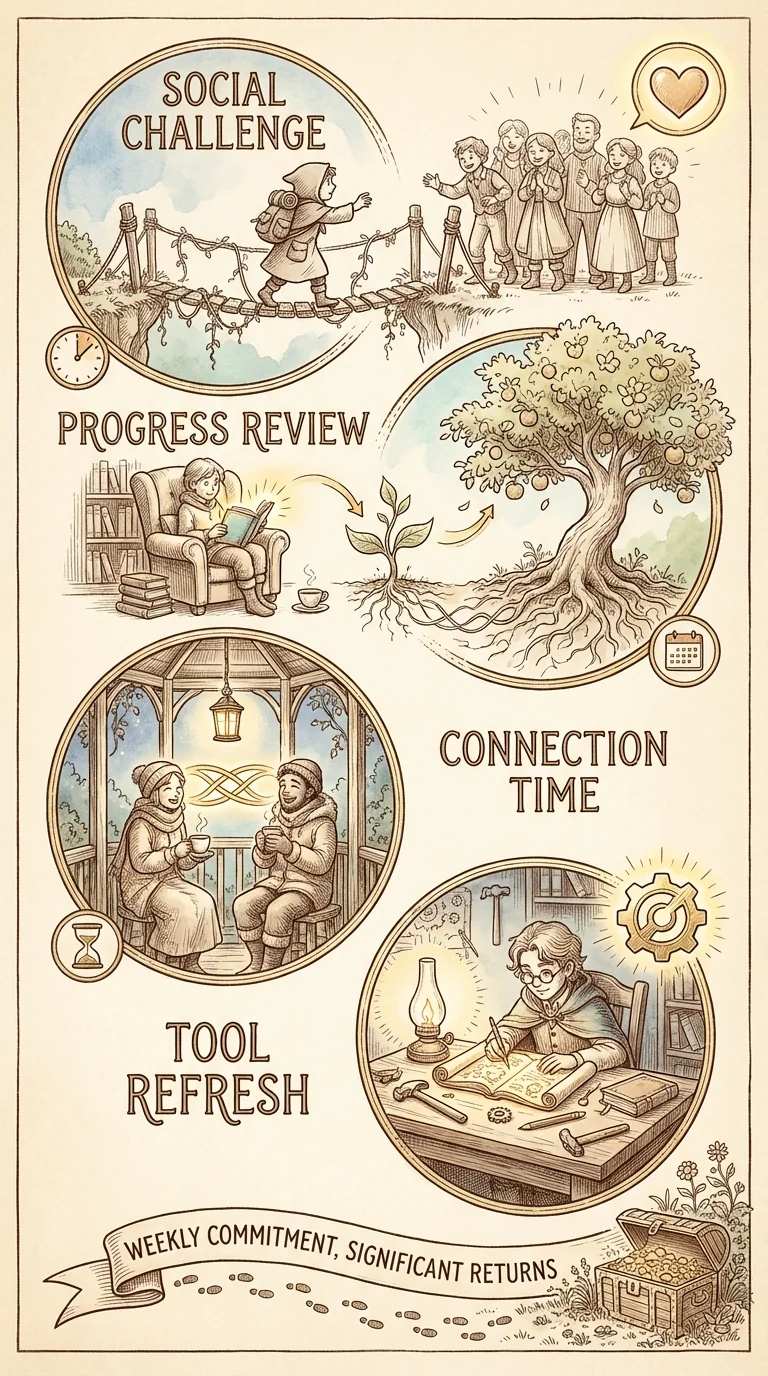
Your weekly practice (15-30 minutes): 1) Social challenge—one situation slightly outside comfort zone, uses graduated exposure, track what you try. 2) Progress review—what skills did I practice? What progress? What's next? 3) Connection time—reach out to one person, deepen one relationship, practice authentic connection. 4) Tool refresh—re-read one day's lesson, reinforce specific skill, adjust based on what's working. Pick one or two. Schedule it like an appointment. Make it non-negotiable. This 15-30 minutes weekly compounds dramatically over months.
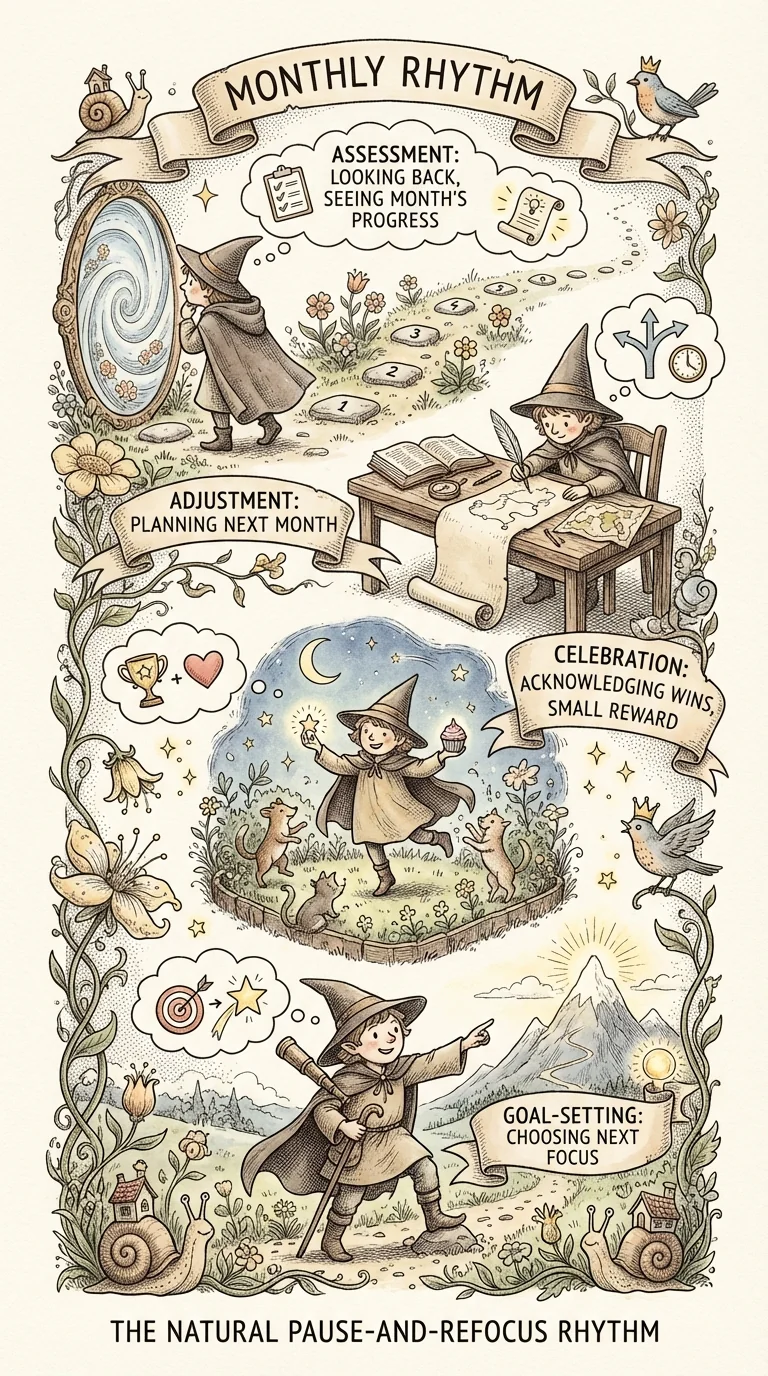
Your monthly check-in (30-60 minutes): 1) Big picture assessment—am I more confident than last month? What evidence? What skills automatic? Where still struggling? 2) Adjust and refine—what's working? What needs attention? Should I shift focus? 3) Celebrate progress—acknowledge growth, note specific wins, reward yourself for consistency. 4) Update goals—what new social challenge ready? Where do I want to grow? What needs more practice? This monthly 30-60 minutes keeps you on track. Prevents drifting. Maintains momentum. The practice becomes increasingly automatic, but monthly check-ins keep it conscious.

Your practice now: Take 15 minutes to design your personal maintenance system. Answer these: 1) Which daily practice(s) will I commit to? (1-2 only). 2) What day/time will I do weekly review? (Specific appointment). 3) Where will I track progress? (Journal, app, document). 4) Who's my accountability person? (Optional). 5) What's my first small reward at 30 days? Write it down. Specific beats vague. Calendar it. Make it real. Then: Implement Day 1 of your maintenance plan TODAY. Whatever daily practice you chose—do it. The system only works if you actually use it.
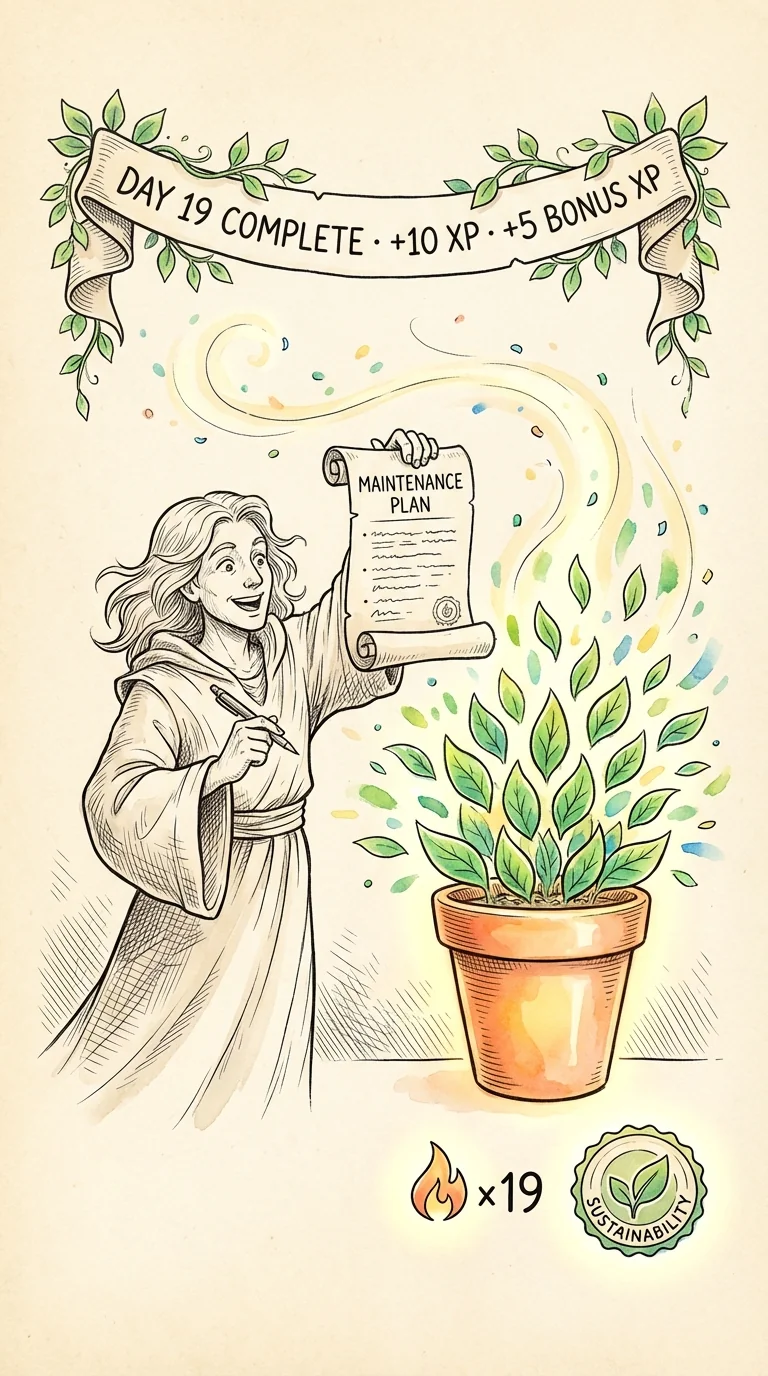
DAY 19 COMPLETE · +10 XP. Your terracotta plant now has 19 glowing leaves—the plant is now substantially lush, a beautiful symbol of 19 days of consistent practice. The banner reads: 'DAY 19 COMPLETE · +10 XP · +5 BONUS XP.' Below: 'Maintenance plan created · Sustainability unlocked · Streak: 🔥 x19 · TOMORROW: Confidence Through Contribution →' Two days remain. You've built your system for sustainable practice. Now you complete the final teachings. You're so close. The plant is thriving. Keep going.