Part 1: The Art of the Genuine Apology
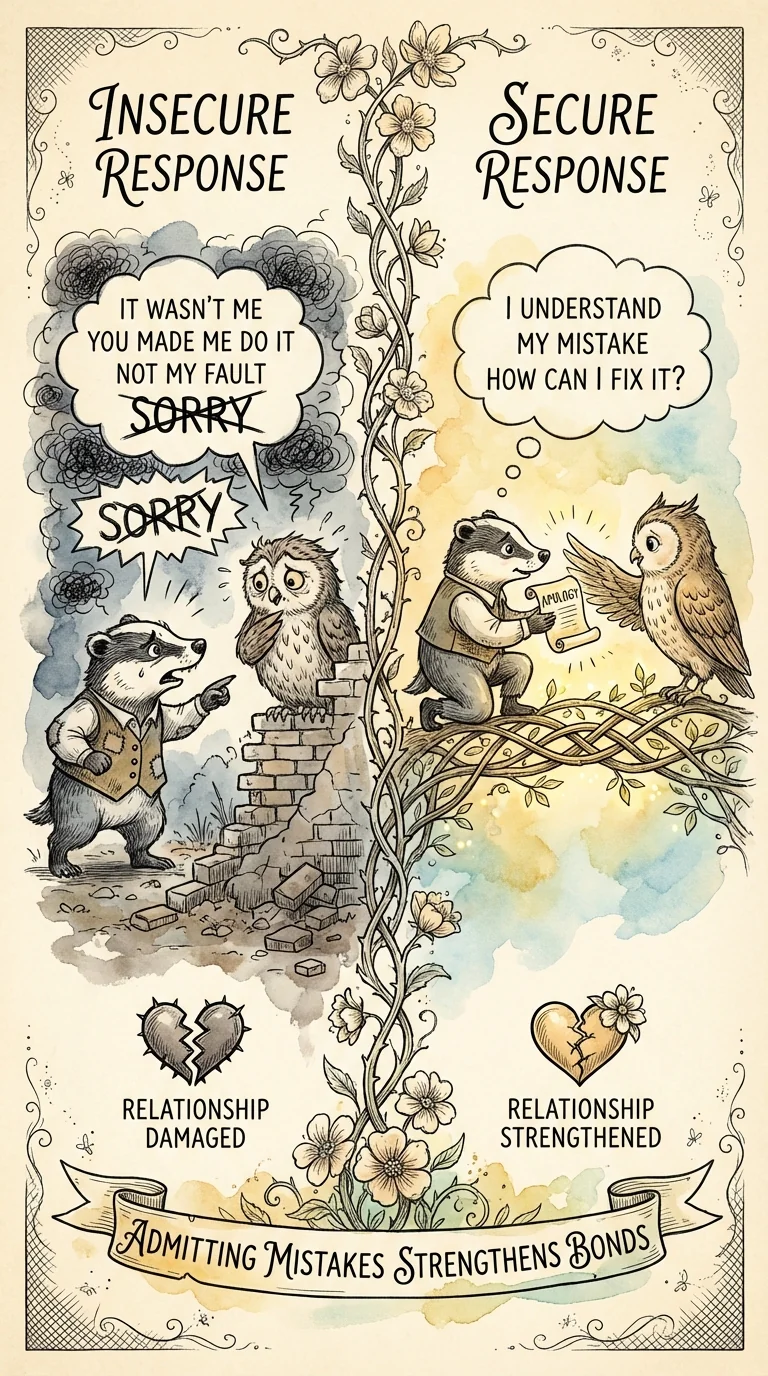
You will mess up. Say the wrong thing. Forget someone's name. Miss an important detail. Hurt someone's feelings unintentionally. The question isn't IF you'll make mistakes—it's HOW you'll handle them. And here's the mastery insight: Secure people can admit imperfection. Insecure people can't. This isn't weakness—it's strength. The ability to acknowledge mistakes, make amends, and move forward? That's high confidence. That's what this day teaches you.
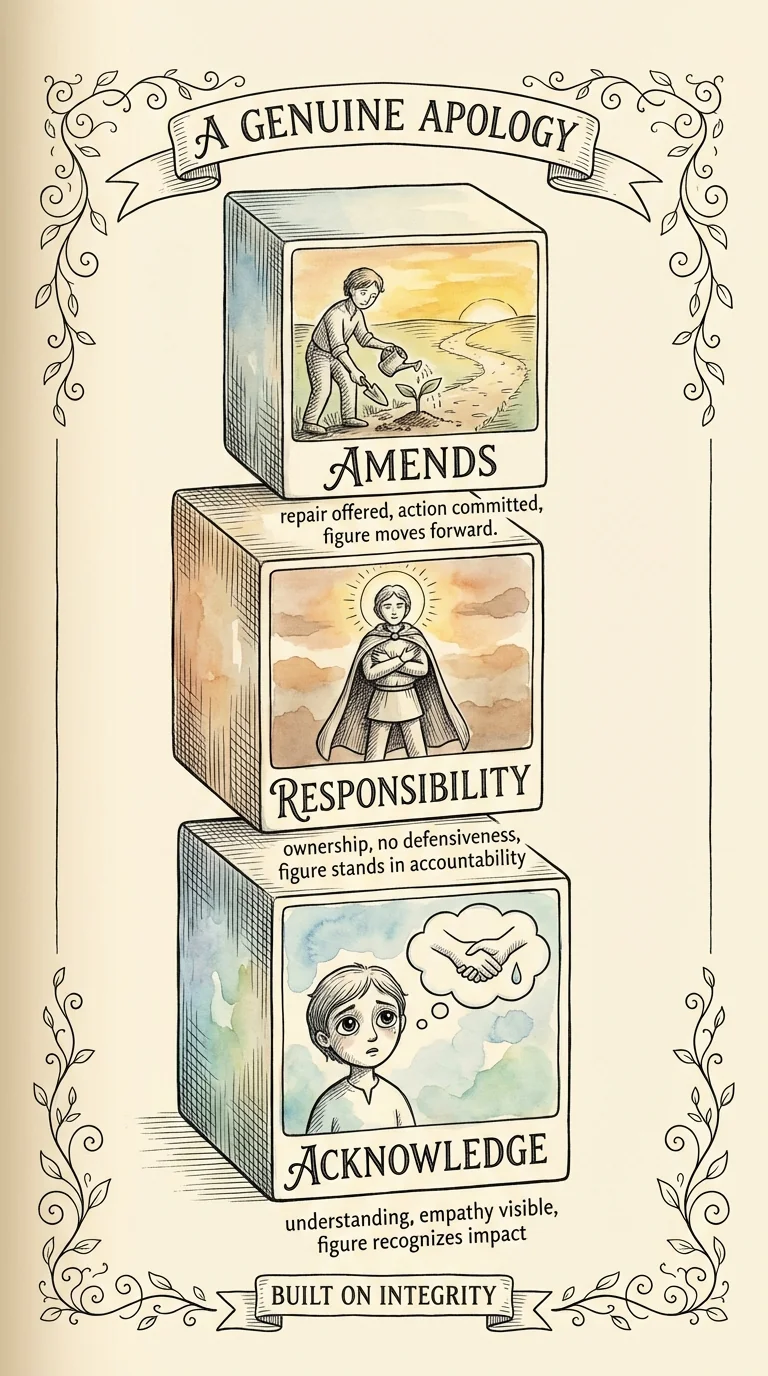
The anatomy of a good apology—three essential components: 1) Acknowledge Impact: Recognize how your action affected them. 'I realize that comment was insensitive.' Not: 'I'm sorry you feel that way' (dismissive). 2) Take Responsibility: Own your part without excuses. 'That was my mistake.' Not: 'I'm sorry, BUT...' (deflects). 3) Make Amends: Offer repair or changed behavior. 'How can I make this right?' or 'Going forward, I'll...' Not: Just words with no follow-through. These three components are the framework.
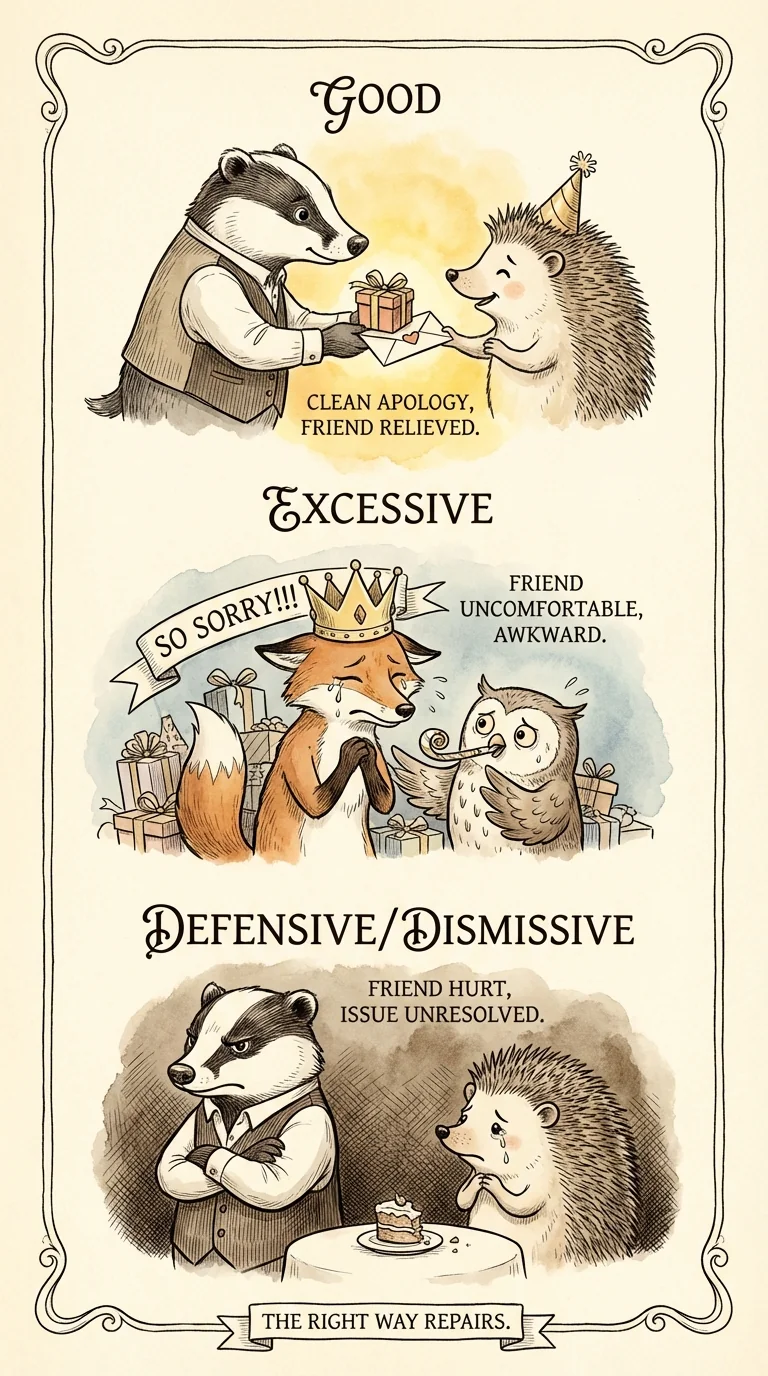
Good vs bad apologies—the difference in practice: Situation: You forgot friend's birthday. GOOD apology: 'I completely forgot your birthday. I'm really sorry—I know that hurt. Can we celebrate this weekend? I'll set a reminder so this doesn't happen again.' Why it works: Acknowledges impact, takes responsibility, offers amends, brief and sincere. BAD version 1 (excessive): 'Oh my god I'm so sorry I'm such a terrible friend...' Makes it about your guilt. Puts burden on them to comfort you. BAD version 2 (defensive): 'I'm sorry, but I've been busy...' Negates the apology. BAD version 3 (dismissive): 'Sorry you're upset about that.' Doesn't take responsibility.
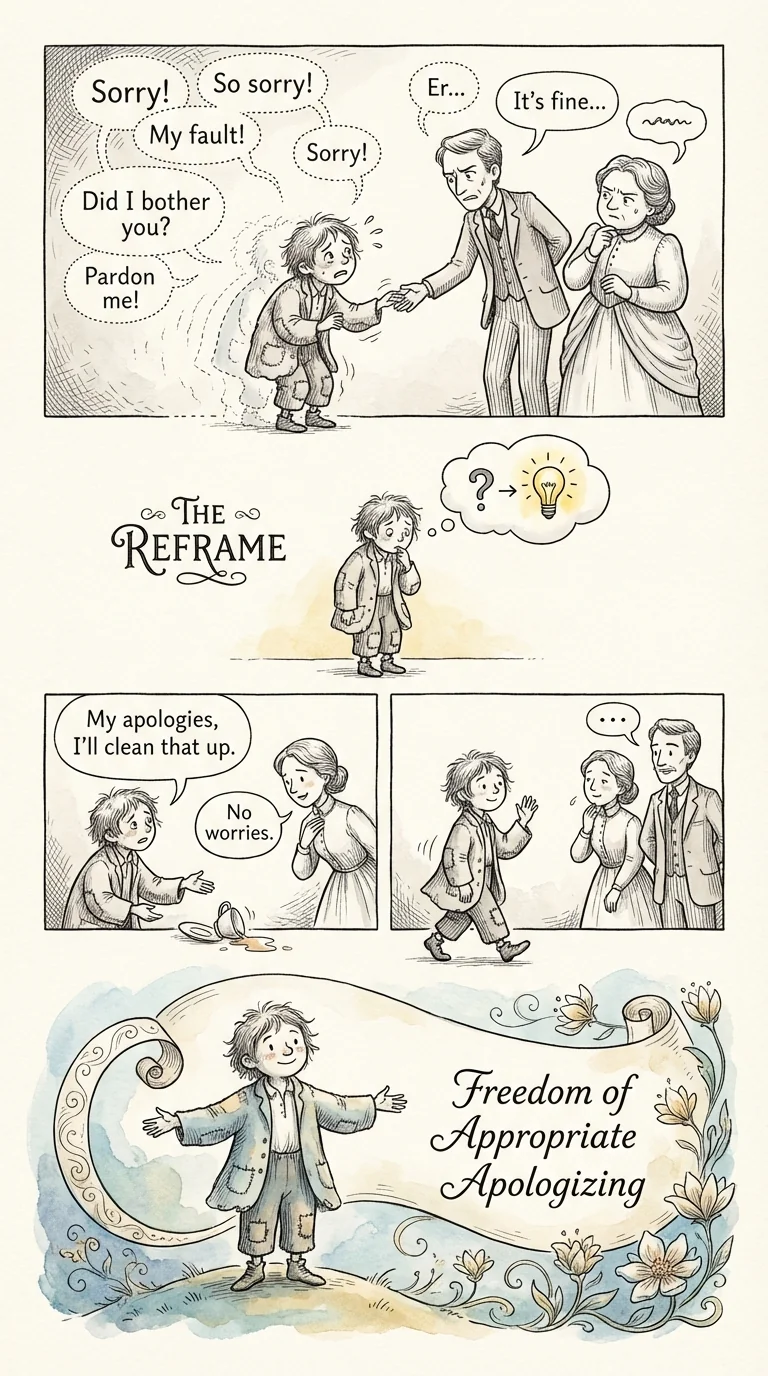
The over-apologizing problem: Pattern—apologizing for everything, constantly, excessively. Examples: 'Sorry' when someone bumps into YOU. 'Sorry for bothering you' when asking reasonable question. 'Sorry I'm sorry I'm so sorry' (ten times in one conversation). Apologizing for taking up space or having any needs. Why it's problematic: Diminishes you, makes others uncomfortable, dilutes real apologies, signals low self-worth. The fix: Reserve apologies for actual mistakes. For other situations use: Instead of 'Sorry for bothering you' → 'Thanks for your time.' Instead of 'Sorry' when they bump you → nothing, or 'No worries.' Instead of 'Sorry to ask' → 'Quick question.' This is the balance.
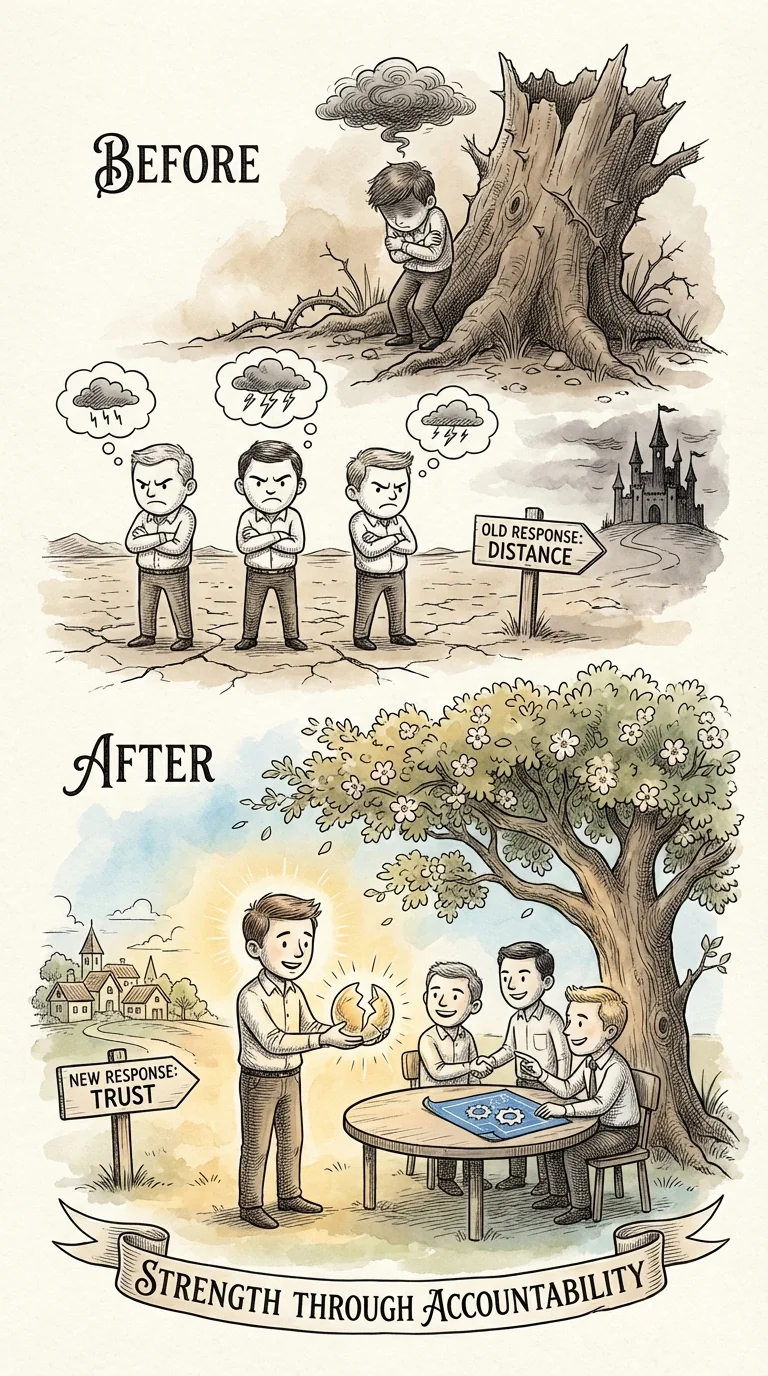
Character story: Chris's professional mistake. Chris missed an important deadline, affecting his team. Old response: Defensive ('I didn't know it was that urgent') + avoidance (hiding from team). New response: 'I missed that deadline and I know it created problems. That's on me. I've adjusted my system to prevent this. What can I do to help mitigate impact?' Result: Team appreciated the directness. Trust maintained. Chris learned. Everyone moved forward. The insight: Taking responsibility (not making excuses) built respect, not diminished it. This is what mastery confidence looks like.

When they don't accept your apology: Sometimes you apologize sincerely and they're still hurt or won't forgive. This doesn't mean your apology was bad. It means: They need time to process. The hurt was deeper than you realized. They have their own stuff. Maybe the relationship isn't salvageable (sometimes that's okay). Your responsibility: Sincere apology + appropriate amends. NOT your responsibility: Controlling their response or making them forgive you. This distinction is crucial for mature confidence. You own your actions. You can't own their reactions. Part 2 teaches you to practice genuine apology.
Part 2: Accountability as Confidence
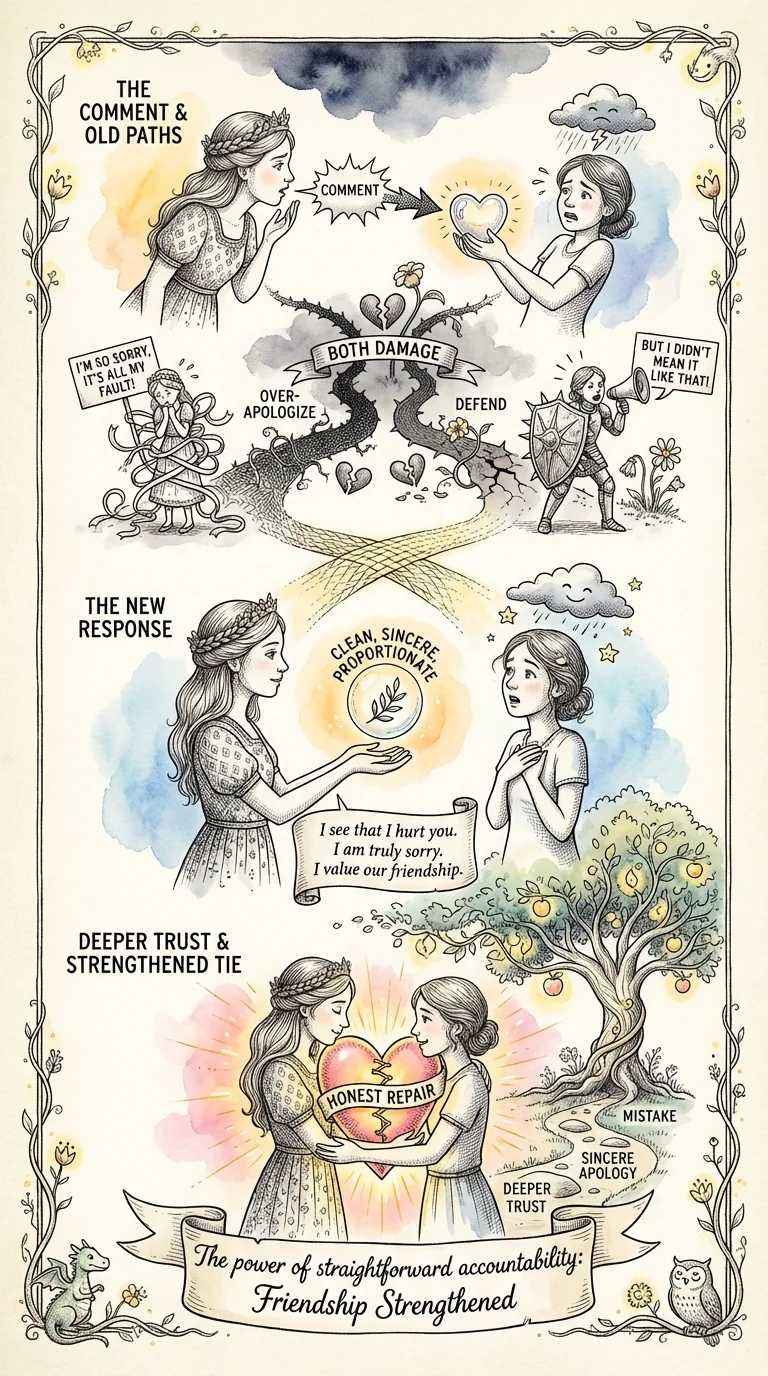
Character story: Lena's friendship repair. Lena made an insensitive comment to a friend without thinking. Old pattern: Either over-apologize ('I'm the worst friend ever!') or get defensive ('You're too sensitive'). New approach: 'That comment was insensitive. I'm sorry I hurt your feelings. I value our friendship and I'll be more thoughtful.' Result: Friend appreciated the sincere, proportionate apology. Friendship deepened. Key insight: Clean apology without drama effectively repairs and actually strengthens relationships. Because it shows you care about the friendship more than your ego.
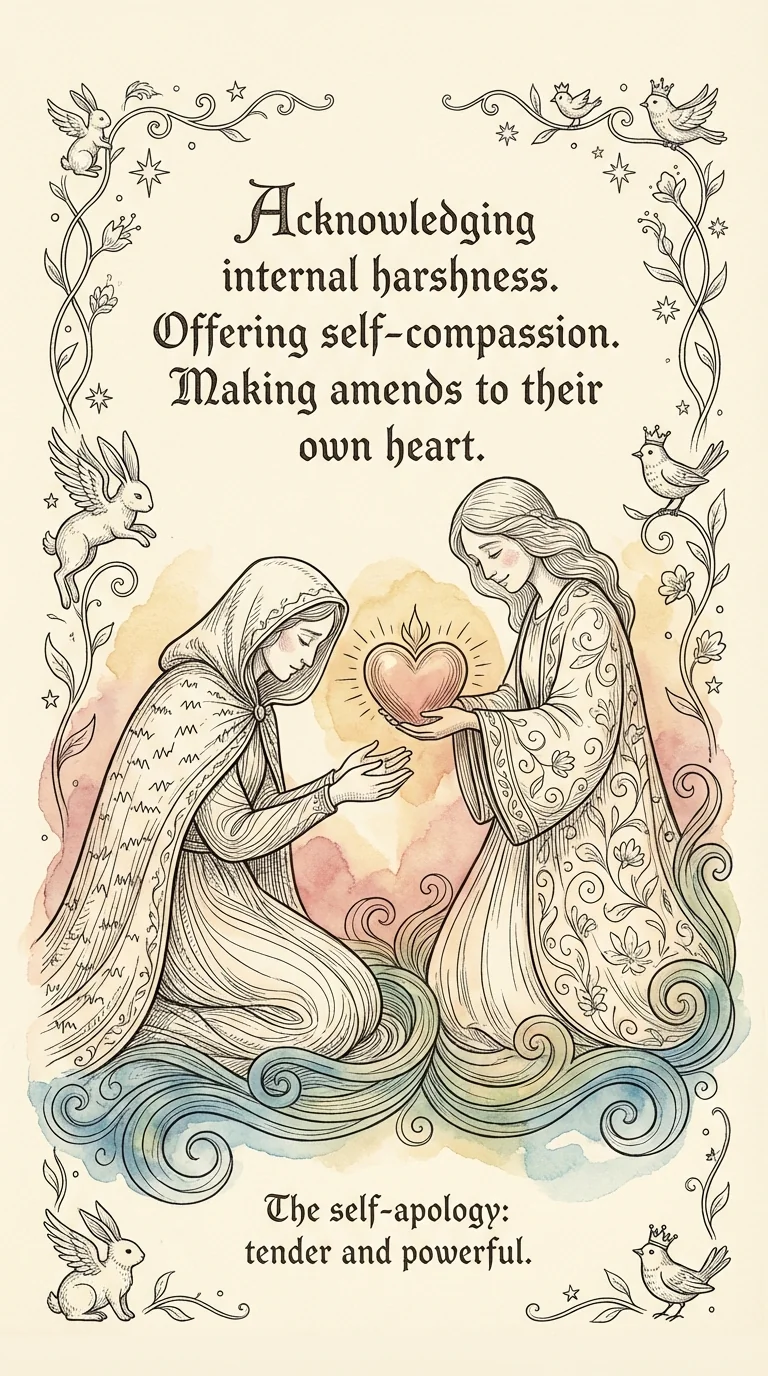
The self-apology (don't forget): Sometimes you owe yourself an apology. 'I'm sorry I spoke to myself so harshly.' 'I'm sorry I didn't honor my own needs.' 'I'm sorry I didn't give myself credit for trying.' Self-compassion includes acknowledging when you've been unkind to yourself. This is actually crucial for sustainable confidence—you can't apologize to others genuinely if you're internally harsh. The self-apology is foundational.
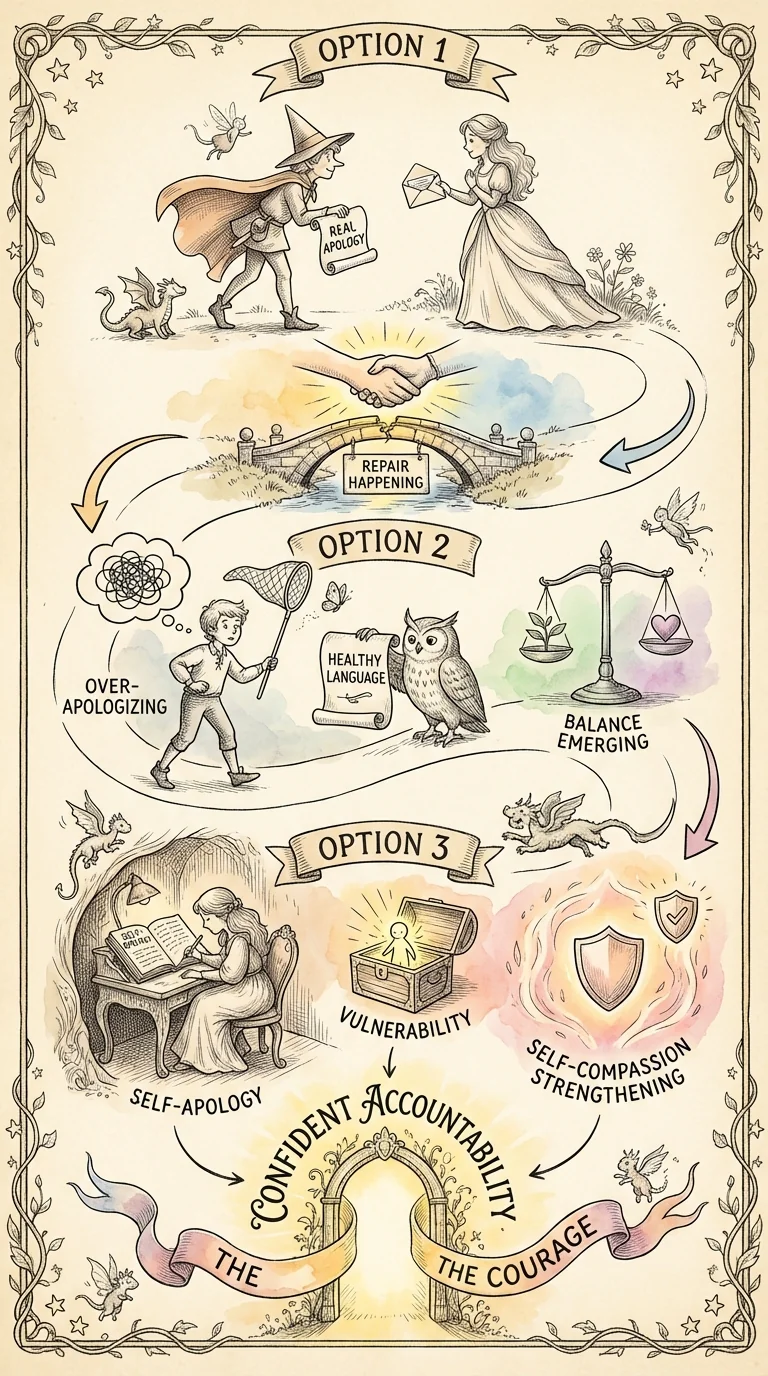
Your practice for today: Option 1—Deliver an owed apology. If you owe someone an apology (recent or past), deliver it today using the three components: 1) Acknowledge impact, 2) Take responsibility, 3) Offer amends. Option 2—Practice proportionate apologizing. Catch yourself over-apologizing or apologizing inappropriately. Replace with 'Thank you' or simple acknowledgment. Option 3—Self-apology. Write yourself an apology for a way you've been too harsh on yourself. Be sincere and compassionate. After any option: How did it feel? What was their response (if applicable)? What did you learn?
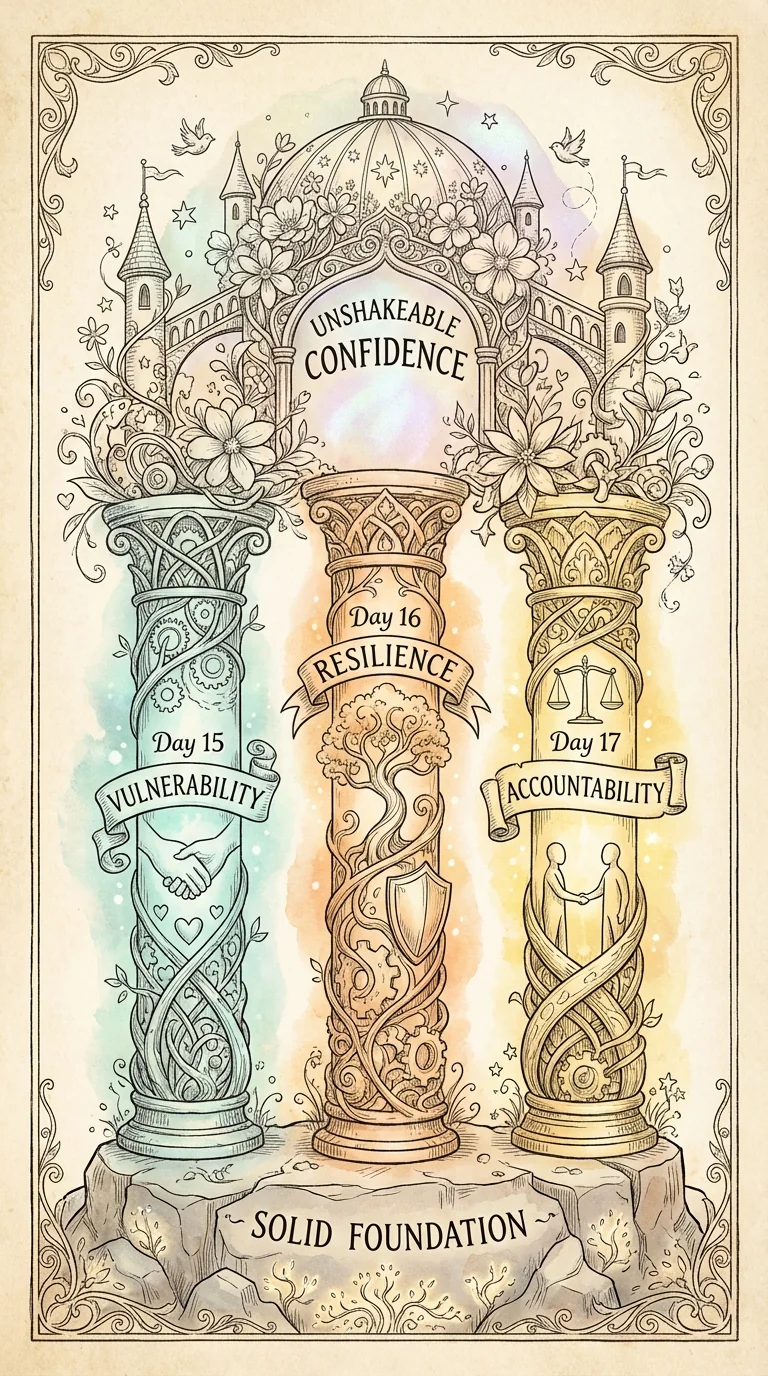
Notice the pattern emerging: Day 15—vulnerability builds connection. Day 16—rejection builds resilience. Day 17—apologies build trust. Three days of mastery showing you that the things that seem scary actually build the strongest relationships and most solid confidence. Admitting imperfection. Getting rejected and recovering. Making amends. These aren't weaknesses. They're the foundations of unshakeable confidence. Confidence that doesn't depend on perfect performance. Confidence that can handle real life.
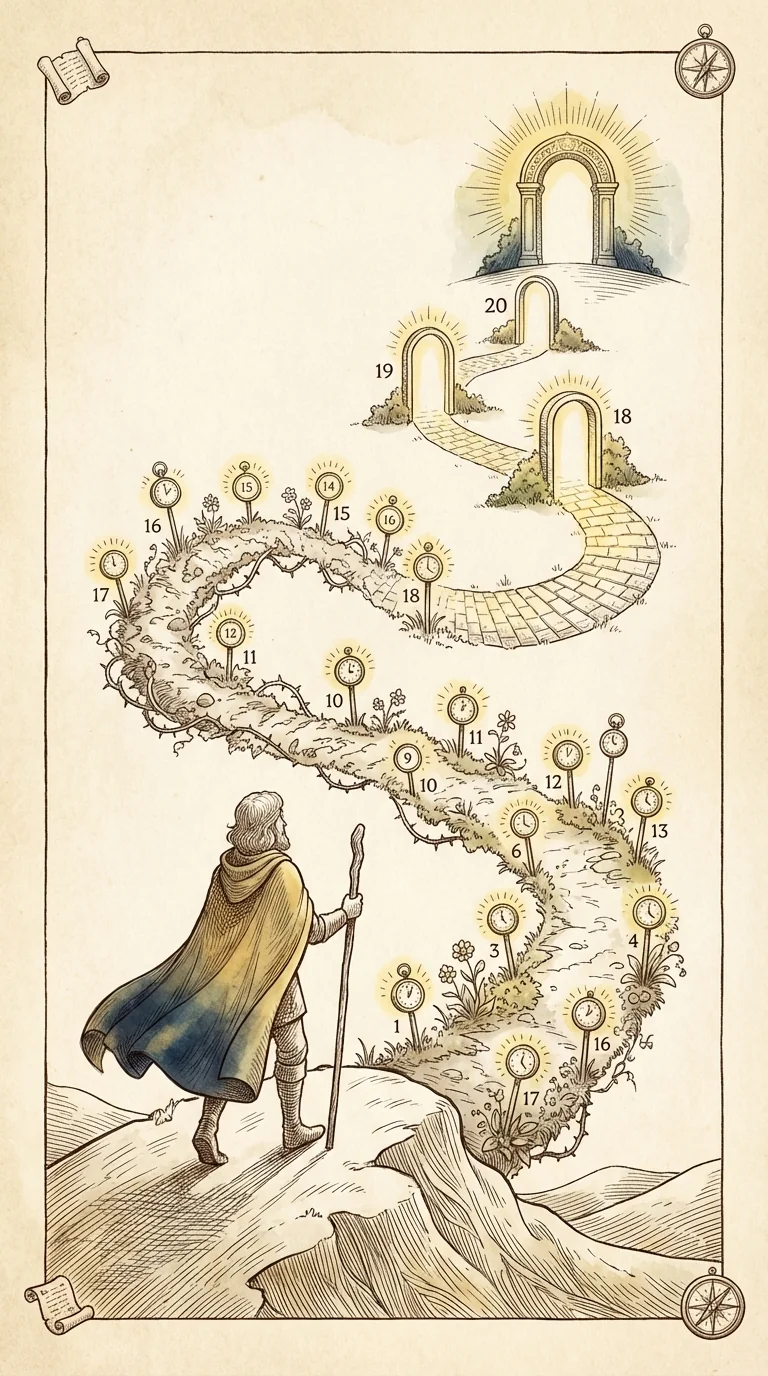
You're now 17 days in. Three days left. You've moved through foundation, through skills, and into mastery. You've learned to be vulnerable, resilient, and accountable. These aren't small things. These are the qualities that make someone trustworthy, relatable, and genuinely confident. As you head into the final days, know that what you're building now will last. Long after the 21 days end, these qualities will serve you. Keep going.
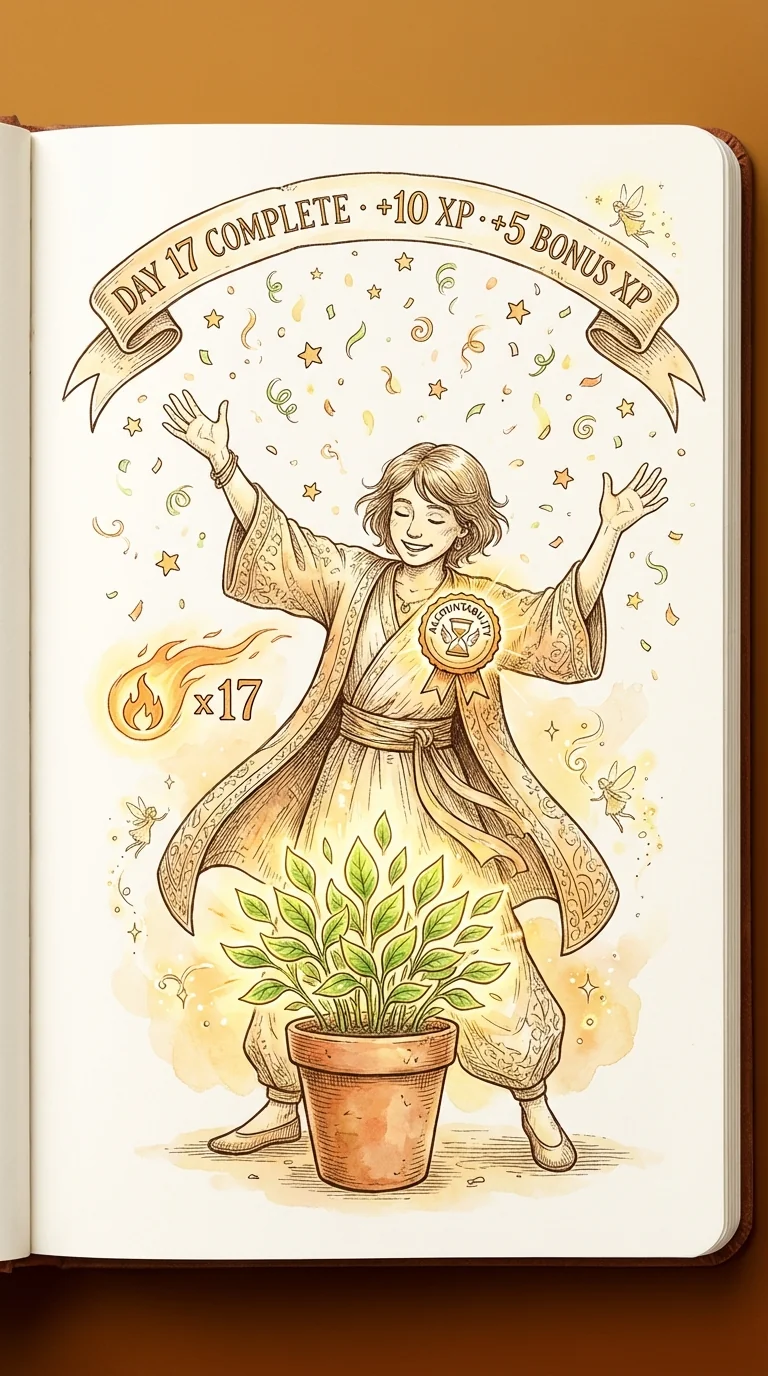
DAY 17 COMPLETE · +10 XP. Your terracotta plant now has 17 glowing leaves—lush, alive, thriving. The banner reads: 'DAY 17 COMPLETE · +10 XP · +5 BONUS XP.' Below: 'Accountability mastered · Trust rebuilt · Streak: 🔥 x17 · TOMORROW: Connection Over Perfection →' Four days left. You're so close. The plant is becoming a beautiful symbol of your sustained growth. Keep practicing what you've learned. Keep building this confidence that will last.