Part 1: Embracing the Awkward
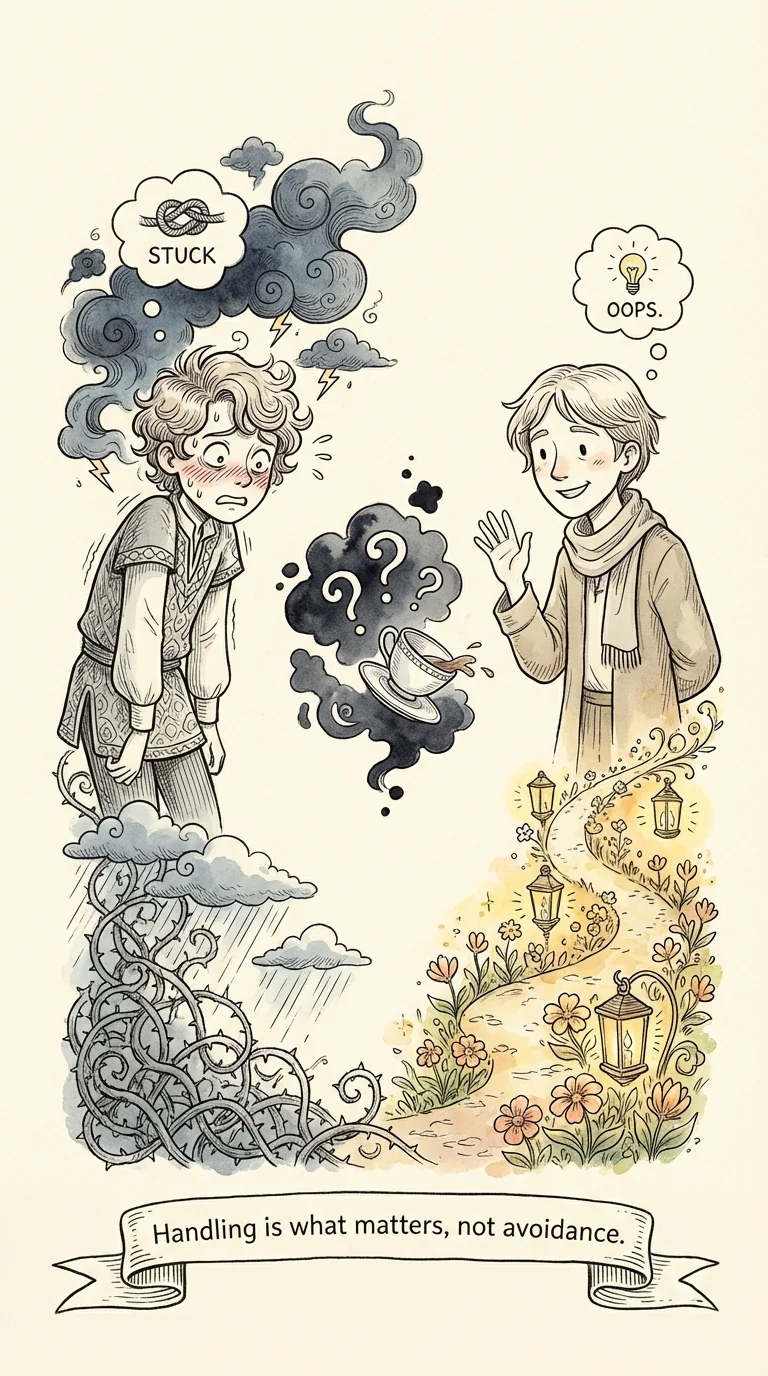
Awkward moments happen to everyone. Always have, always will. The difference between someone who's socially confident and someone who isn't? Not fewer awkward moments. The same number. The difference is how they handle them. Someone with real confidence experiences the awkwardness, acknowledges it, and moves on. Someone without it spirals, replays it, and lets it poison their confidence.
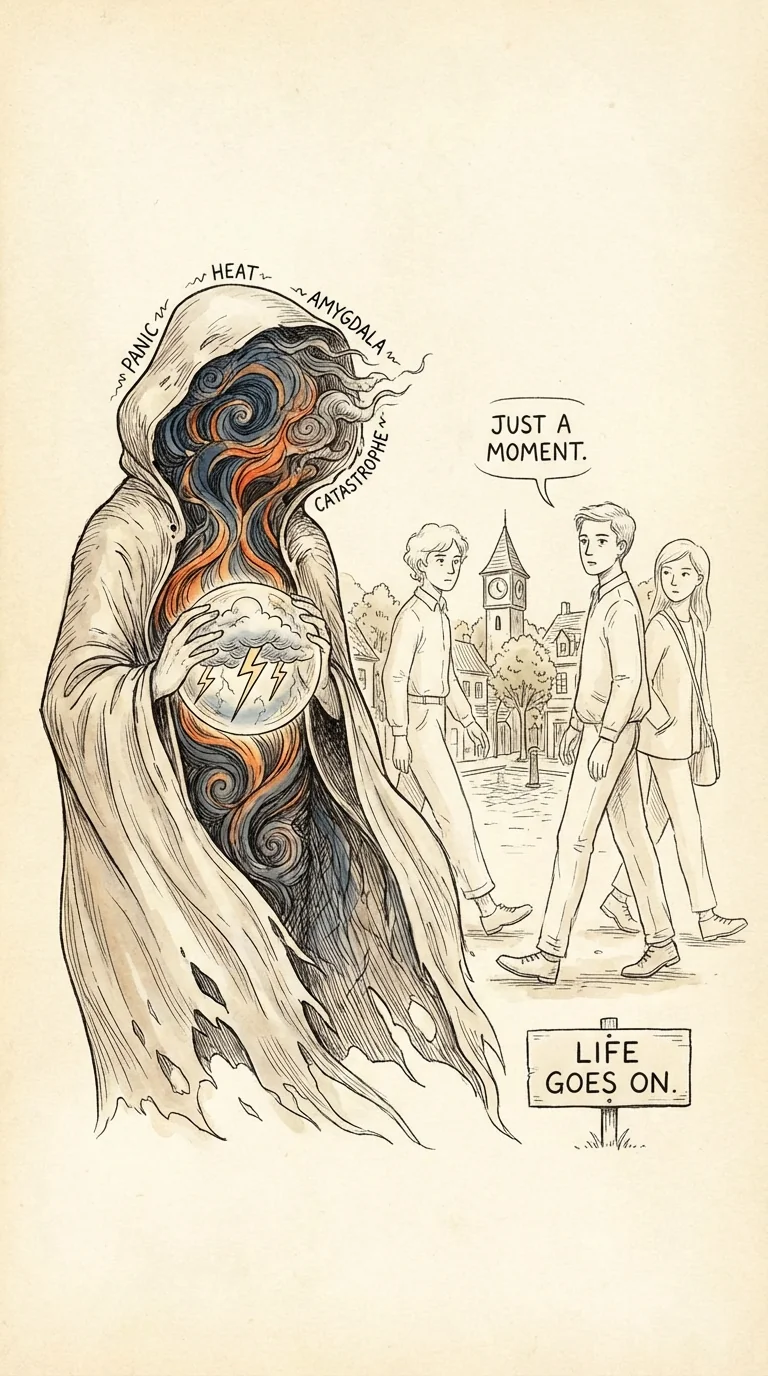
Your brain massively overreacts to awkwardness. An awkward moment occurs: you stumble over words, spill something, forget someone's name. Your amygdala activates. Your brain treats it like actual danger. You flush. Your heart races. You feel like social death is imminent. But here's what's really happening: Others barely noticed. Or they noticed and immediately moved on. Your discomfort will pass in minutes. Life continues absolutely normally.

Remember the spotlight effect? You experience awkwardness in full HD surround sound from inside your head. Everyone else experiences it as a brief, barely-noticed moment. Your internal experience: 'EVERYONE SAW THAT. I'M MORTIFIED. THIS IS A DISASTER.' Their experience: 'Oh, that happened. Anyway, where was I?' The gap between your catastrophization and reality is enormous.
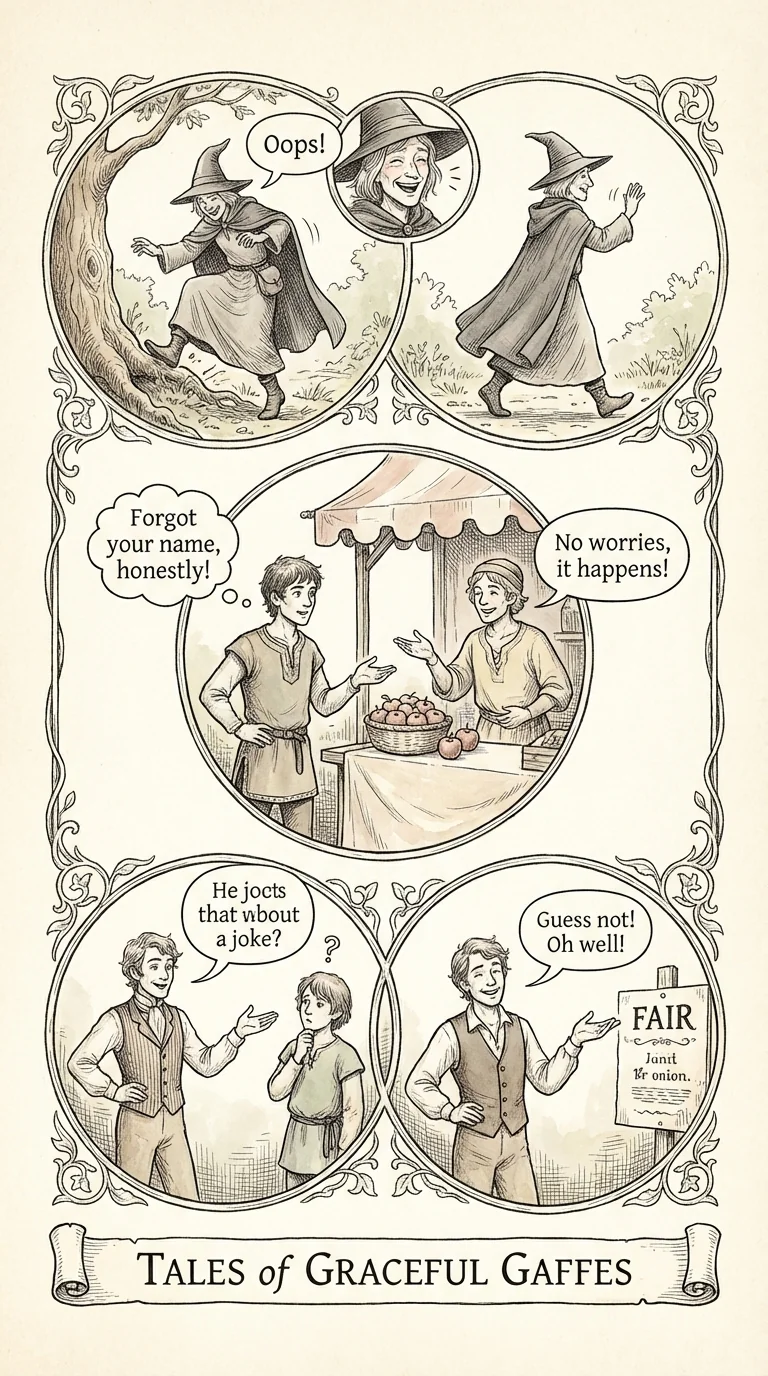
How confident people actually handle awkwardness: Strategy 1—Brief acknowledgment and move on. Trip over words? 'Let me try that again.' Spill something? 'Oops!' Then clean it up and continue. Forget a name? 'I'm so sorry, your name just escaped me.' Joke doesn't land? 'Well that didn't work!' Then smile and move forward. The acknowledgment shows you're human. Moving on shows you're not a catastrophizer.
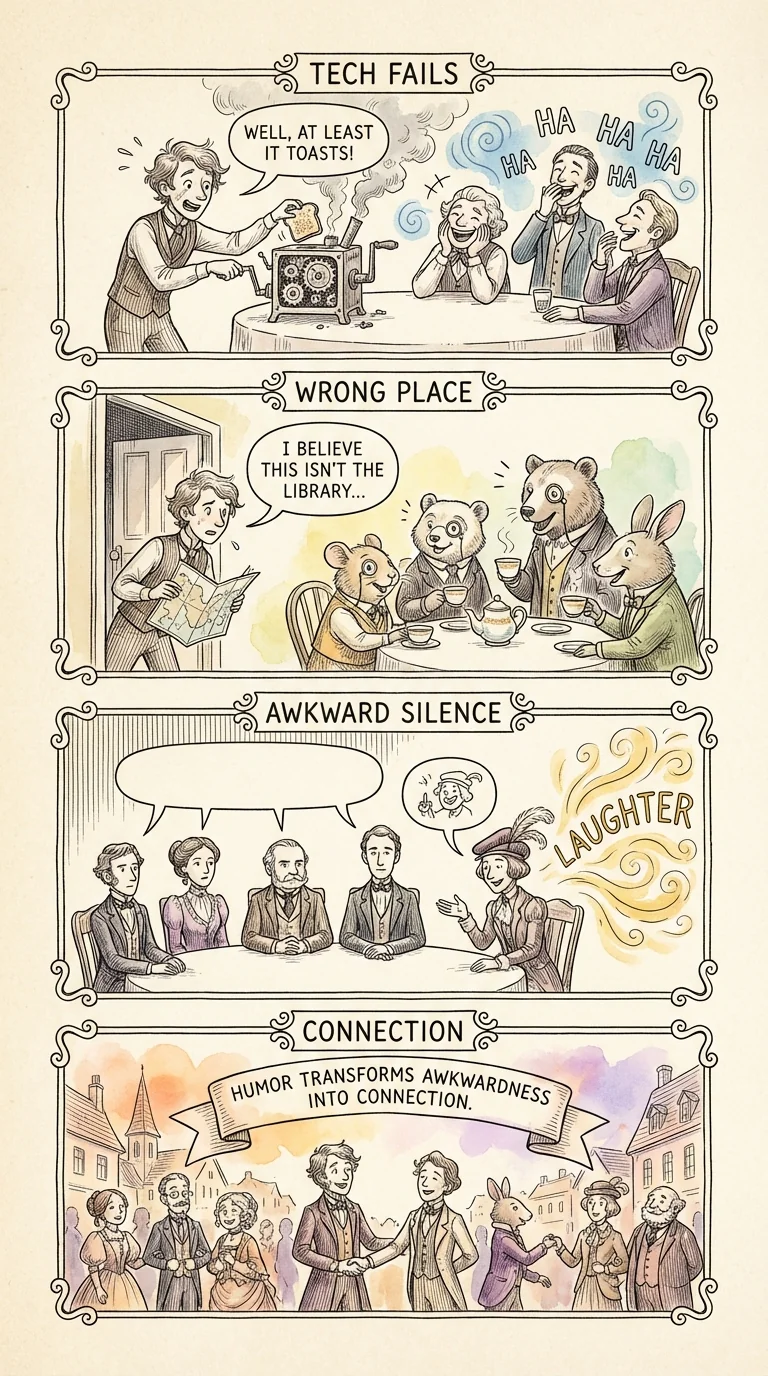
Strategy 2: Light humor. Technology fails during presentation? 'Looks like we're going back to carrier pigeons!' Walk into wrong room? 'Wrong place—as you were!' Awkward silence? 'Well, this is awkward!' followed by a laugh. Humor defuses tension instantly. It shows you're not taking it too seriously. It often gets the room laughing WITH you instead of feeling uncomfortable.
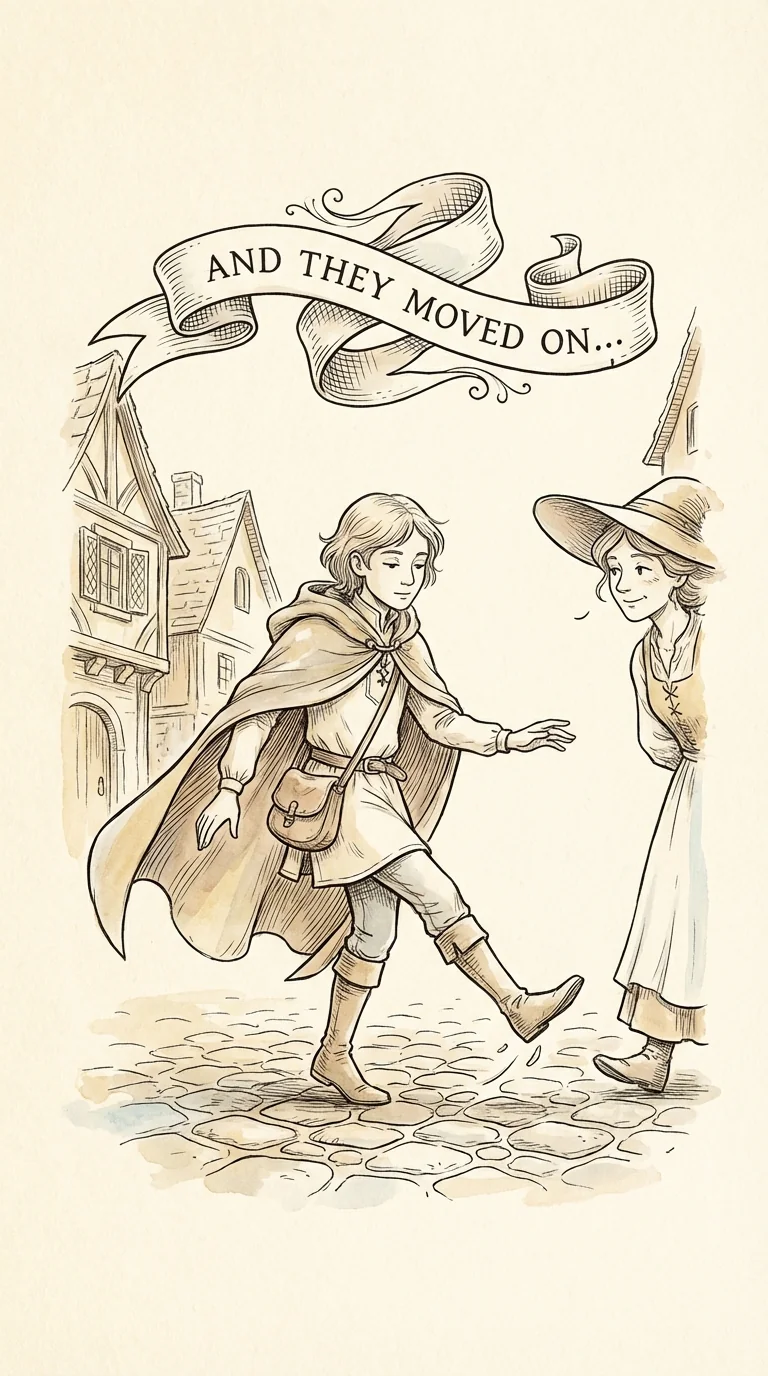
Strategy 3: Sometimes the best response is graceful silence. Not dwelling, not spiraling. Just continuing as if nothing happened. Minor stumbles, brief awkwardness, small mishaps often don't need acknowledgment at all. The key is simple: Don't freeze. Don't spiral. Keep moving. Most awkward moments fade the moment you stop treating them as catastrophic.
Part 2: Resilience Through Practice
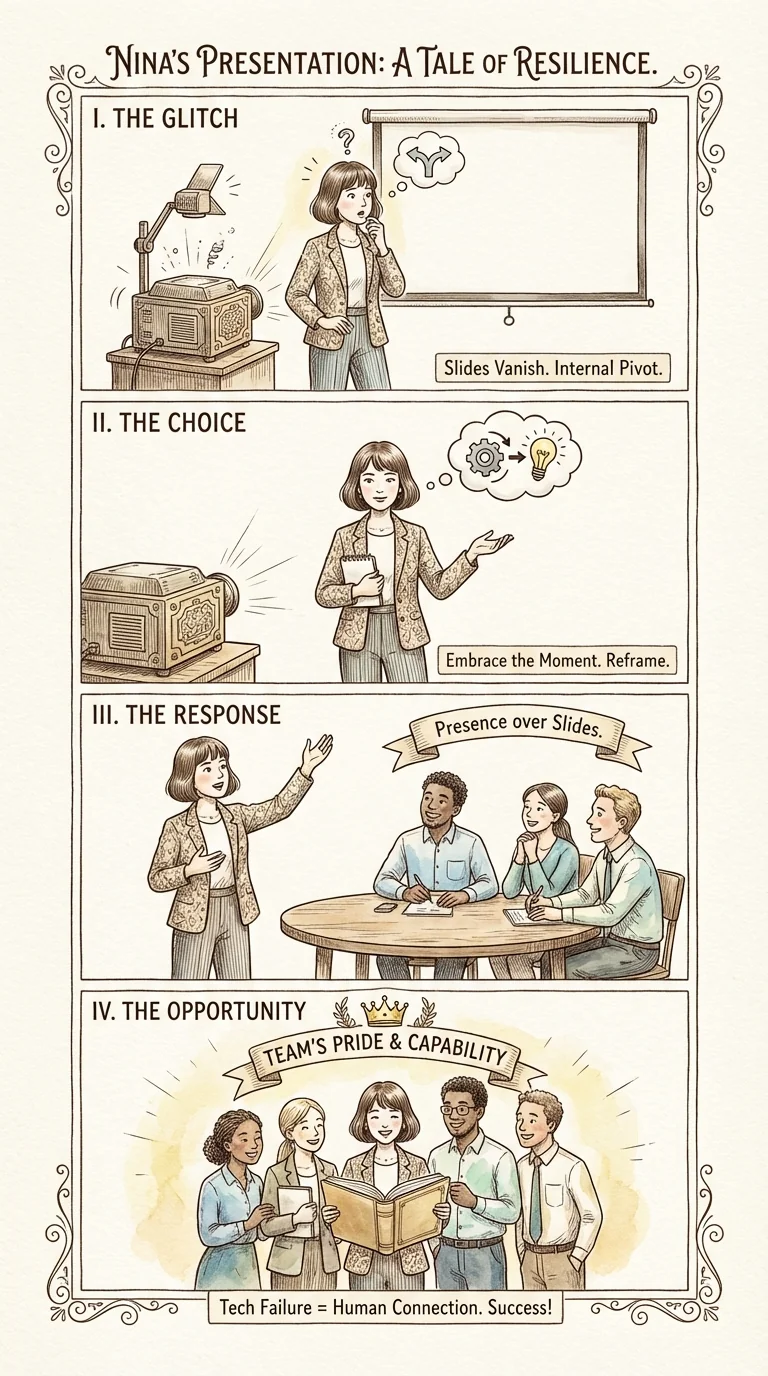
Meet Nina. Her slides wouldn't load during a presentation. Old Nina would have panicked, apologized profusely, spiraled. New Nina: 'Well, looks like we're going old school!' She gave the presentation without slides, referenced points she'd have shown. Result? The team was impressed by her adaptability. Several people mentioned afterward how well she handled the tech failure. The awkward moment became a demonstration of confidence.

Meet Carlos. He blanked on someone's name mid-introduction. Old Carlos would freeze, fumble, make it weird. New Carlos: 'I'm so sorry, your name just slipped my mind.' Other person: 'No problem! I'm Alex.' Conversation continued normally. Key insight: Honesty and graciousness fix most awkward moments quickly. A brief, genuine apology and moving forward is all that's needed.
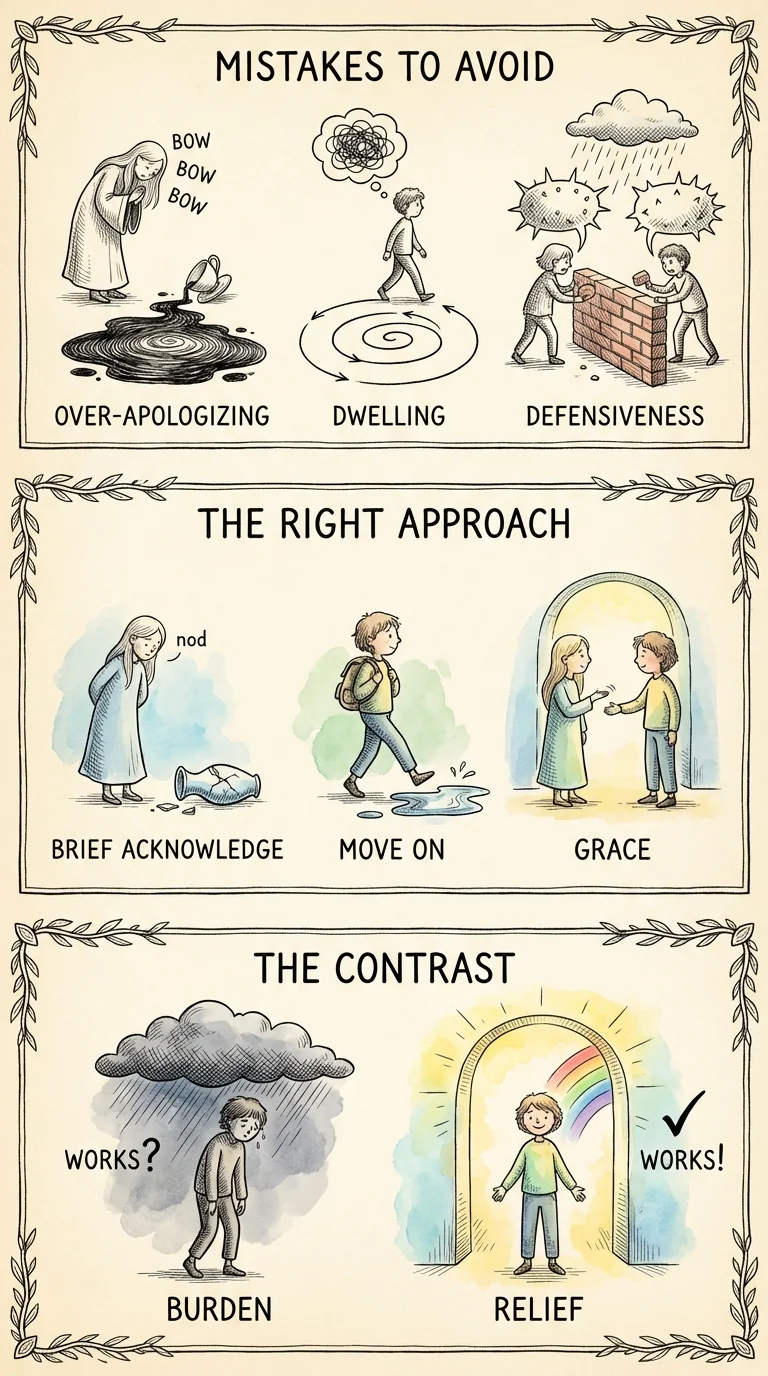
What NOT to do: Excessive apologizing ('Oh my god I'm so sorry...') makes it bigger than it was and draws more attention. Dwelling and replaying (in your head 47 times) reinforces shame and prevents learning. Defensive responses ('That's YOUR fault!') create conflict. Instead: Brief acknowledgment if needed, move on quickly. Notice others' awkward moments too—see how little you care? Apply the same grace to yourself.
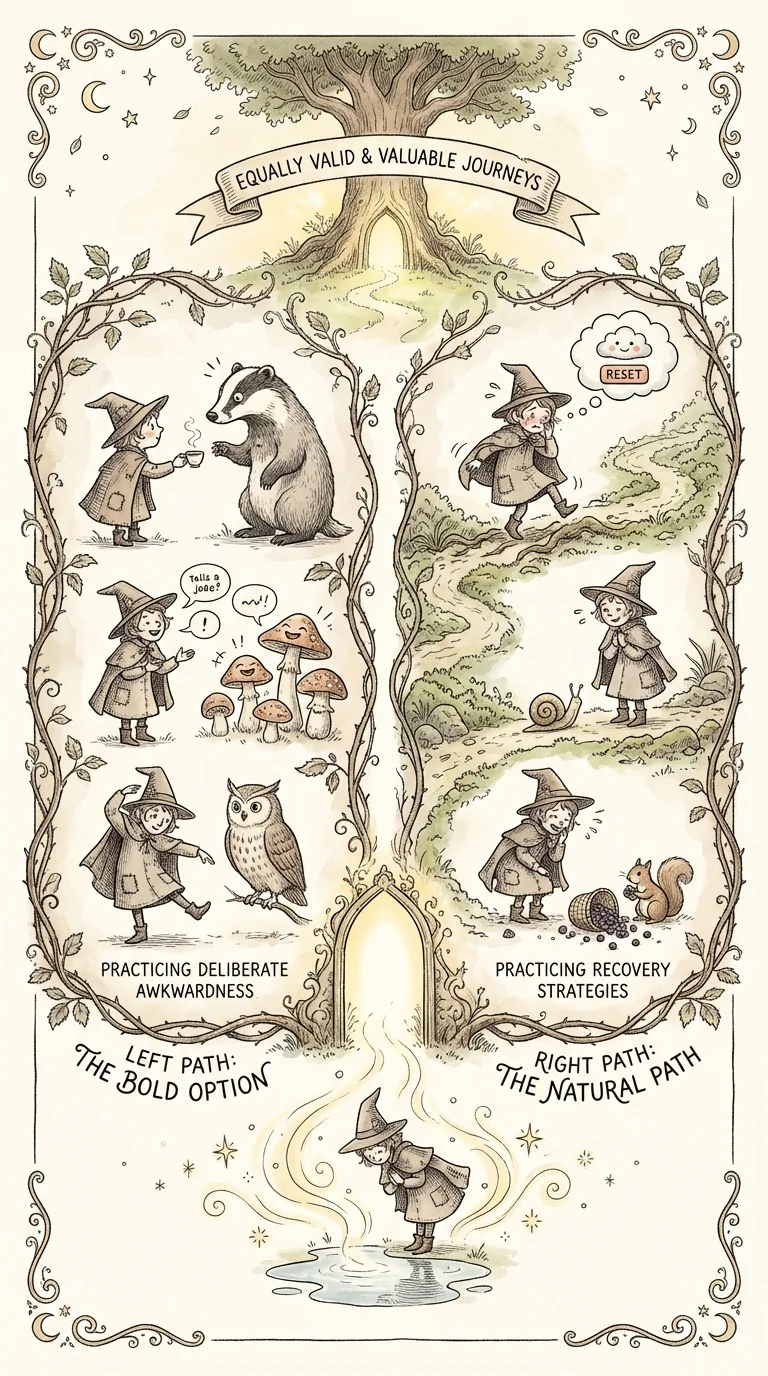
Your practice today: Option 1—Intentional awkwardness. Do something mildly awkward on purpose: Ask for an unusual discount, request a small favor someone might say no to, make eye contact with a stranger and smile, tell a joke you know might not land. Goal: realize awkwardness isn't dangerous. You survive. Life continues. Option 2—When awkwardness happens naturally today, practice your recovery strategy.
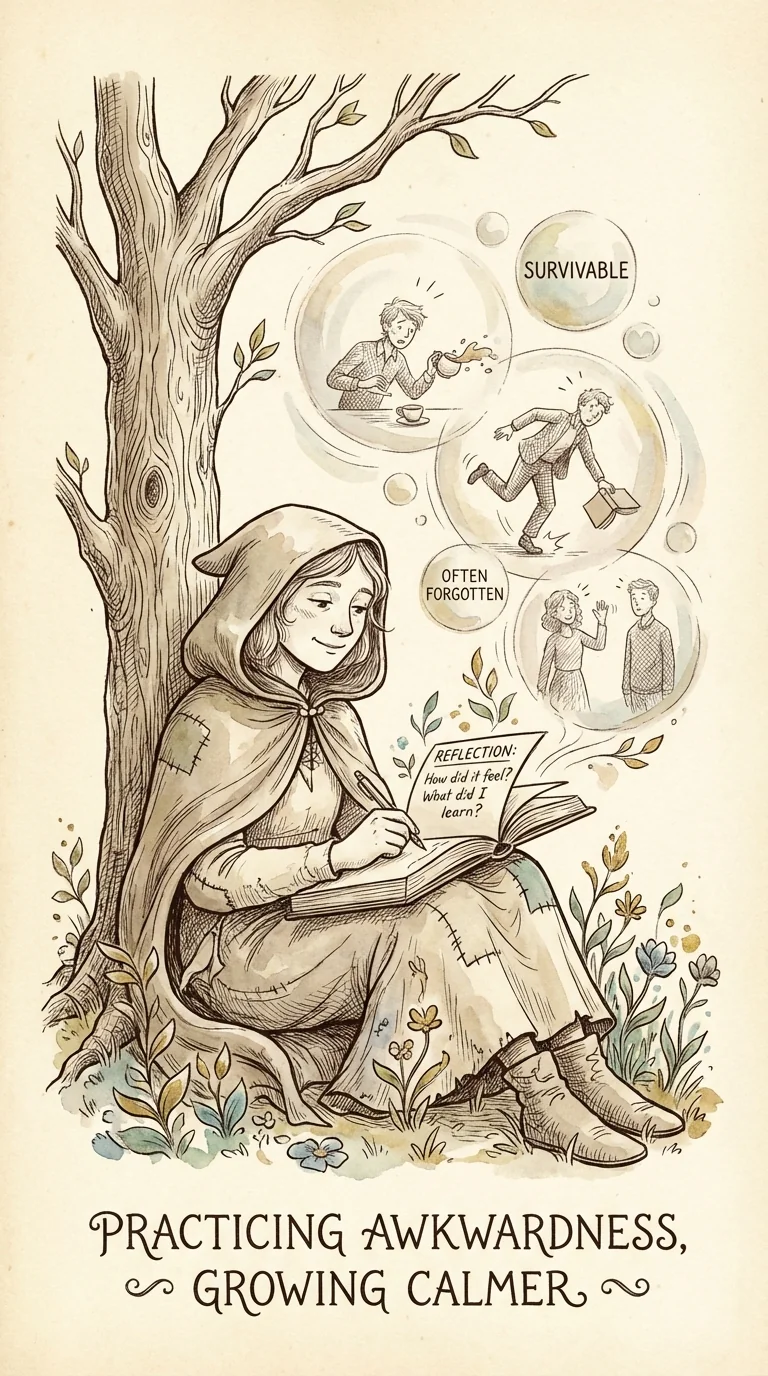
After you handle awkwardness (intentional or natural), pause and reflect: What happened? How did you handle it? What was the actual consequence? Most people find: That awkward thing I feared? Barely registered with others. The discomfort I felt? Passed in minutes. I'm still here. Life continued. Every awkward moment you handle well strengthens resilience, proves you can recover, and reduces fear of future awkwardness.
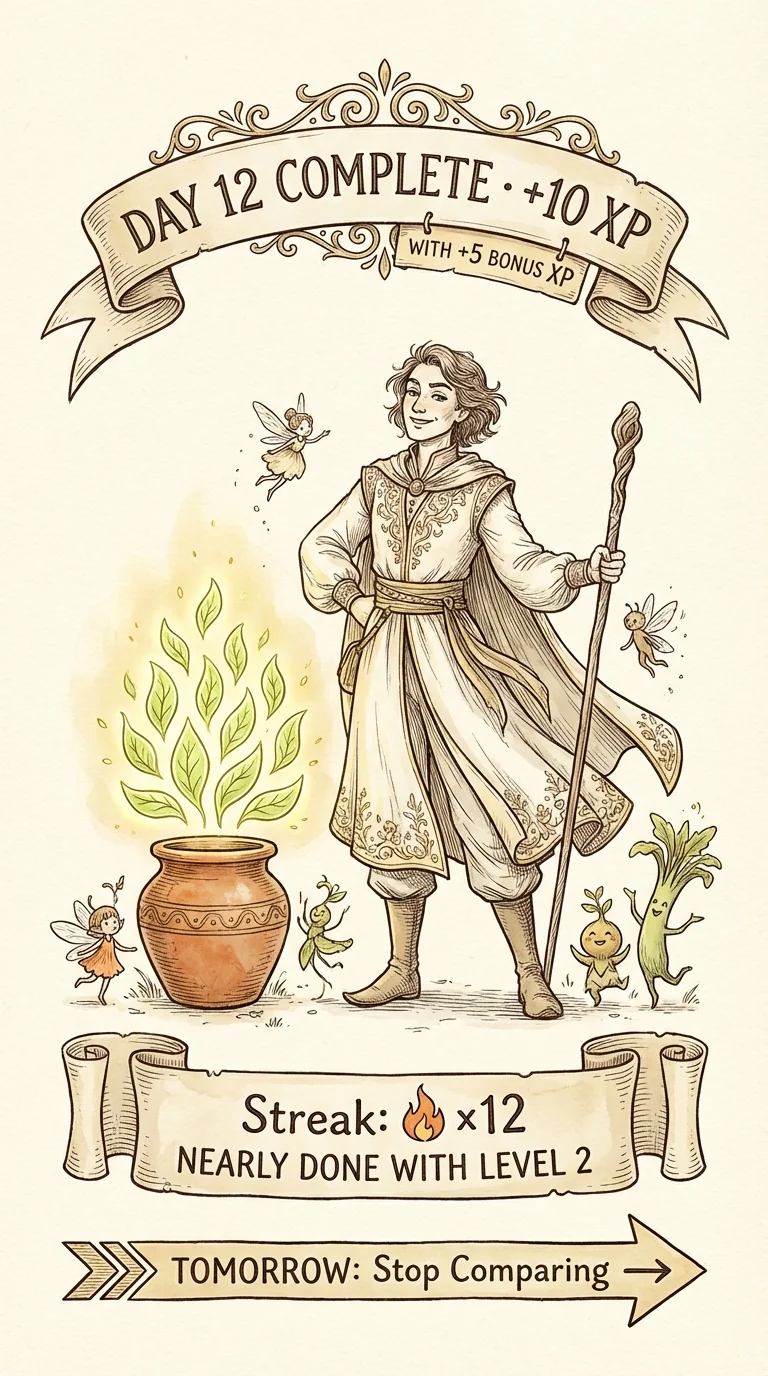
Day 12 complete. Twelve leaves on your terracotta plant. You're nearly done with Level 2. Your banner reads: 'DAY 12 COMPLETE · +10 XP.' You've learned that confidence isn't about perfection or avoiding awkwardness—it's about graceful recovery. You now know: awkward moments are speed bumps, not roadblocks. Tomorrow: Stop Comparing, Start Connecting—the final Growth skill that transforms how you see others and yourself.