Part 1: Conversation Starters That Actually Work

Yesterday you mastered the art of listening. Today: how to start the conversation in the first place. The paralyzing question: 'What should I say?' The truth is simpler than your anxiety tells you. You're overthinking it.

What makes a good conversation starter? Not clever pickup lines. Not impressive opening statements. Not perfect icebreakers. Those all come from self-consciousness. Instead: genuine, context-appropriate, and easy to respond to. That's it. You're not trying to wow them. You're just giving them something natural to respond to.
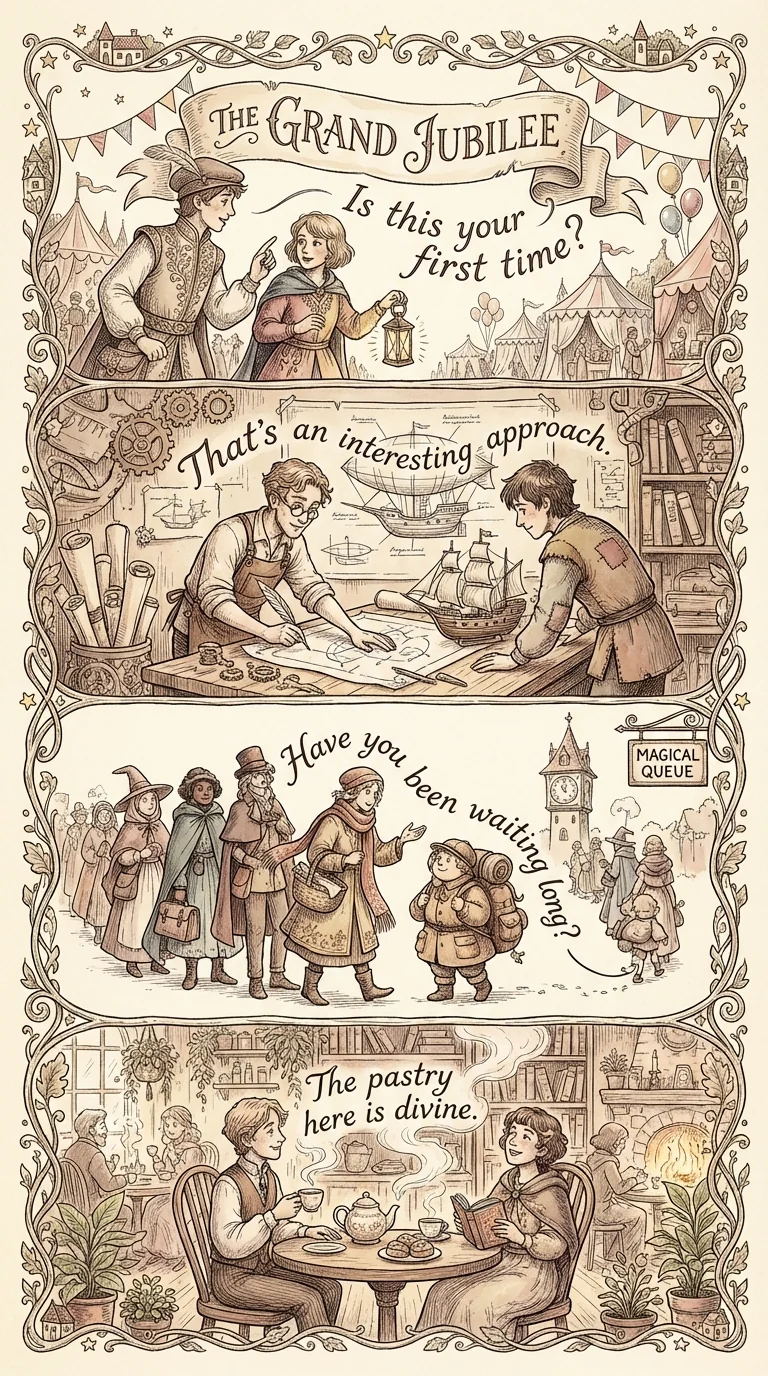
The first category: Context-Based Openers. Comment on your shared environment. At an event: 'How did you hear about this?' At work: 'How's your week going?' Waiting in line: 'Have you been here before?' These work because they're relevant, they're easy to answer, and they're natural. You're not forcing it. You're simply acknowledging the context you both share.

Second category: Genuine Compliments. Specific and sincere. 'I love that jacket—where did you get it?' 'That was a great point you made.' 'Your presentation was really clear.' People appreciate genuine notice, and compliments naturally lead to conversation. The key word: genuine. People sense fake instantly. If you compliment something, mean it.
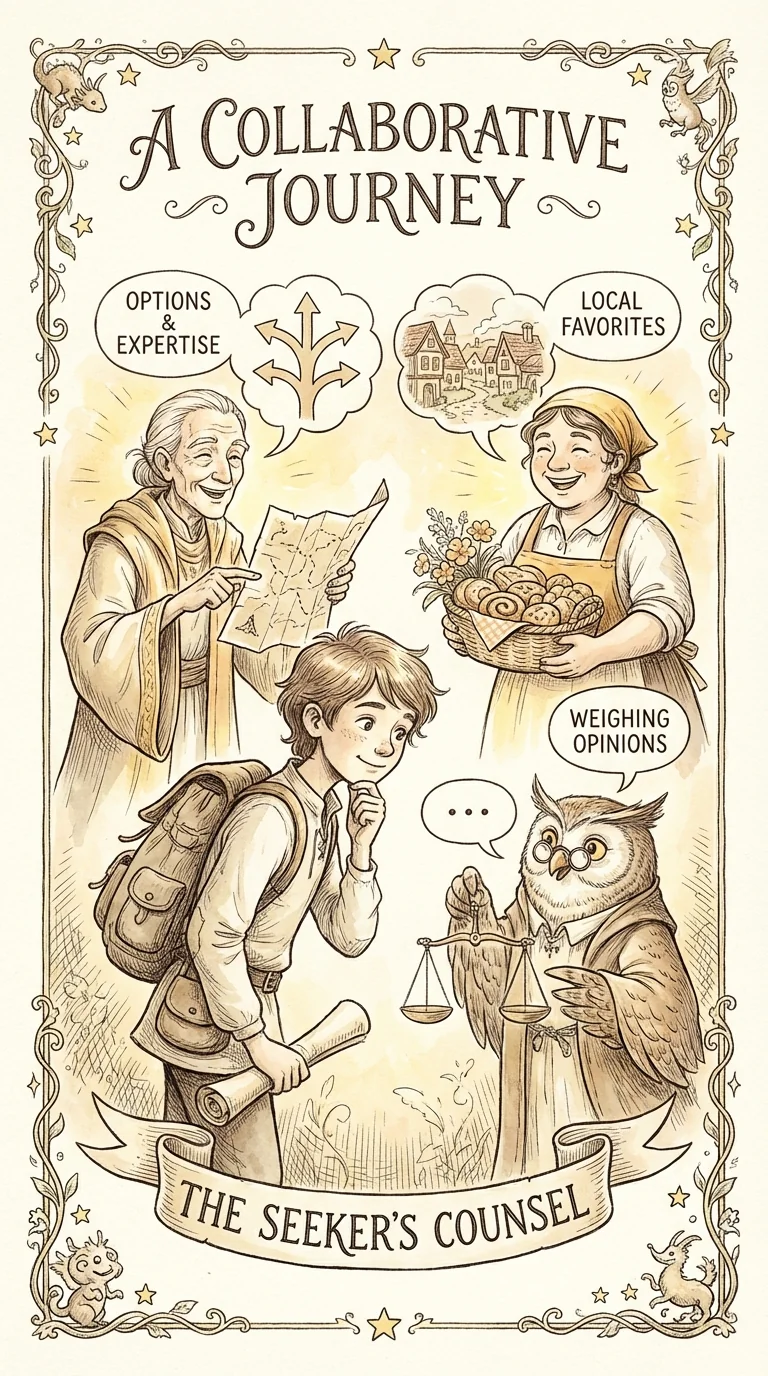
Third category: Asking for Opinions or Recommendations. People love sharing their expertise. 'I'm trying to decide between A and B—what do you think?' 'I'm new here—what's your favorite spot?' This positions them as the expert (flattering) and gives them something specific to discuss. They get to be helpful and knowledgeable. You get a natural conversation.

Fourth category: The Simple Introduction. When in doubt, just introduce yourself. 'Hi, I'm [name]. I don't think we've met.' Direct, honest, no games. No pretense. This works because it's authentic. It shows confidence—you don't need tricks. You're just saying hello. That's it. That's often enough.
Part 2: Opening with Courage
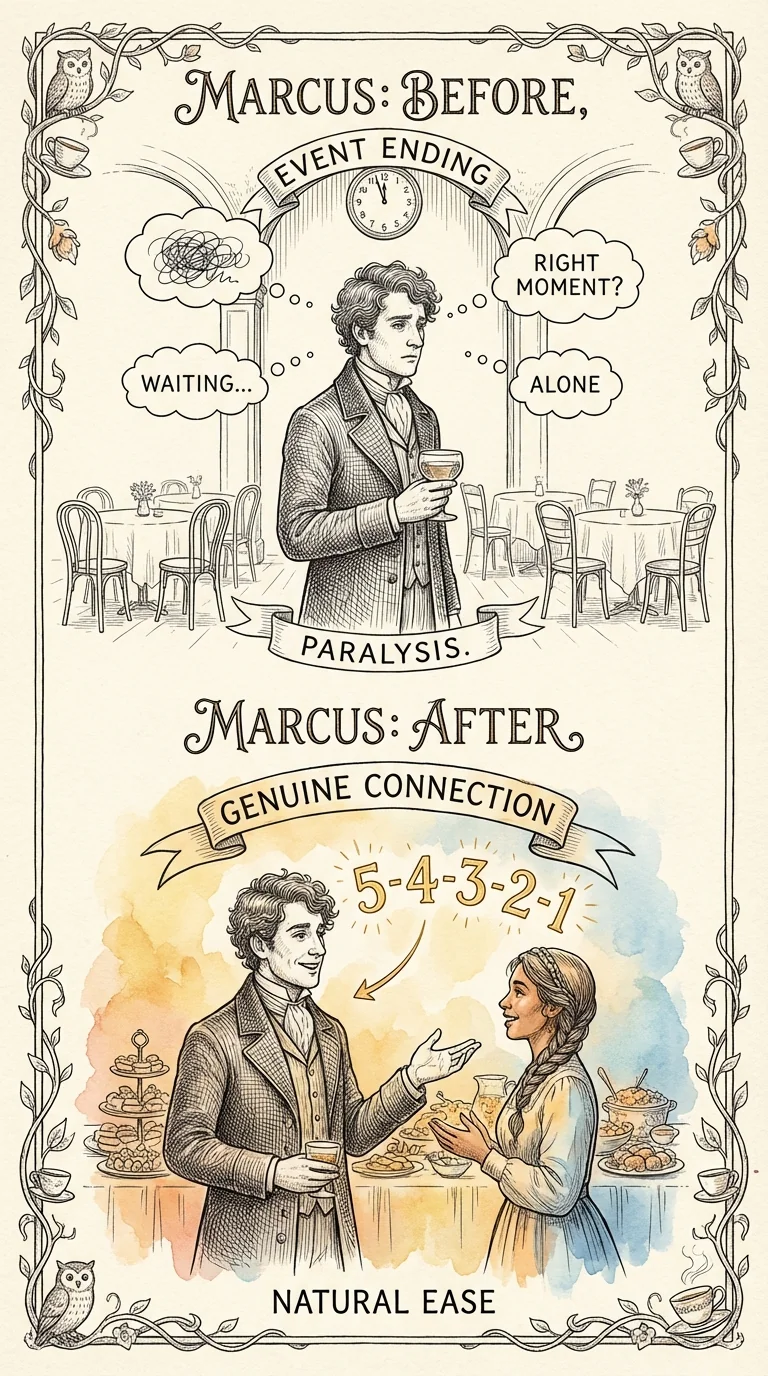
Meet Marcus. At networking events, he used to wait for the perfect opening moment—and never found it. He'd end the night having said nothing. Then he learned: Just open. Simple. At his next event, he saw someone near the food table. 5-4-3-2-1. He walked over: 'Hi, I'm Marcus. How do you know the host?' Simple. Direct. Worked perfectly. They talked for 10 minutes about mutual friends and interests.
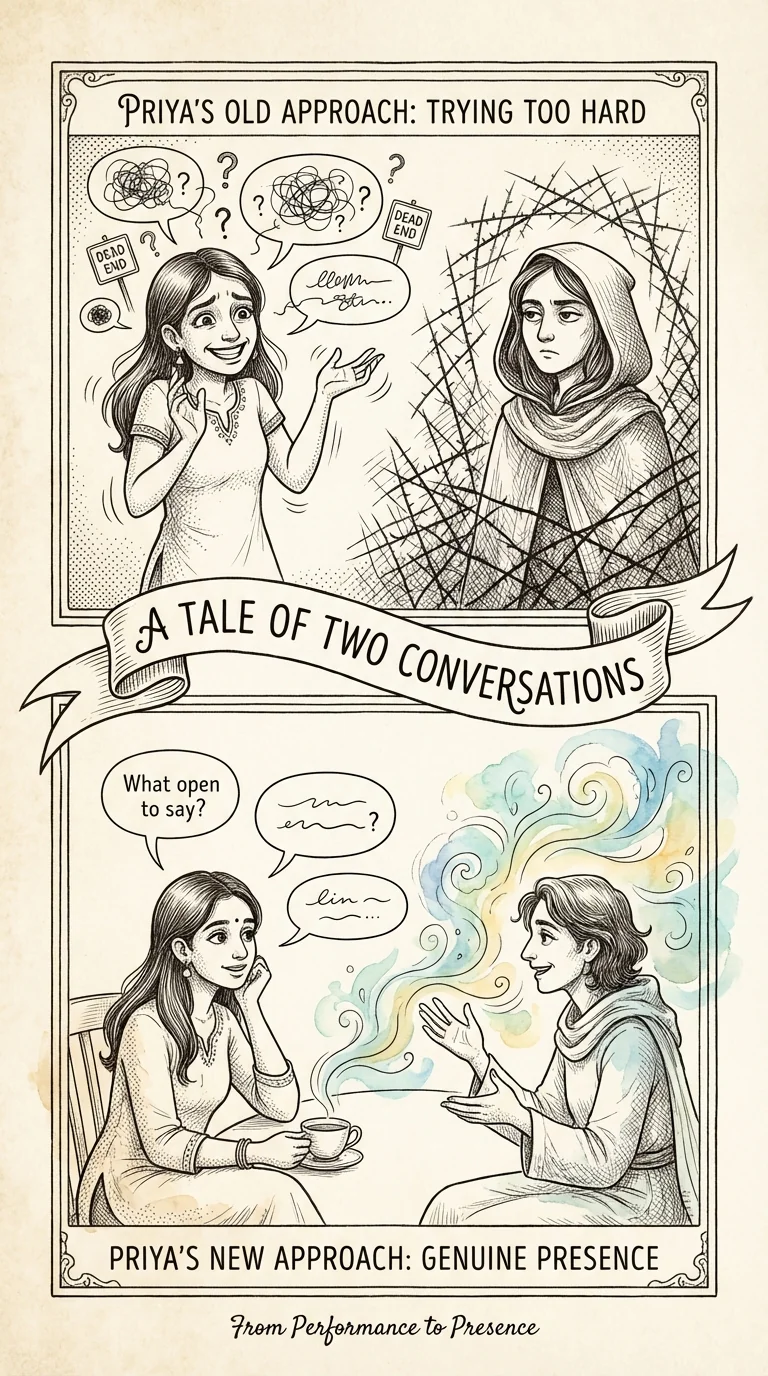
Priya struggled with small talk—she felt she had nothing interesting to say. Her shift: Stop trying to be interesting. Start trying to be interested. Coworker in the break room: 'Hey! How's your week going?' That simple question opened a real conversation. Her insight: 'I was spending energy trying to impress people. I should have been spending energy trying to understand them.'
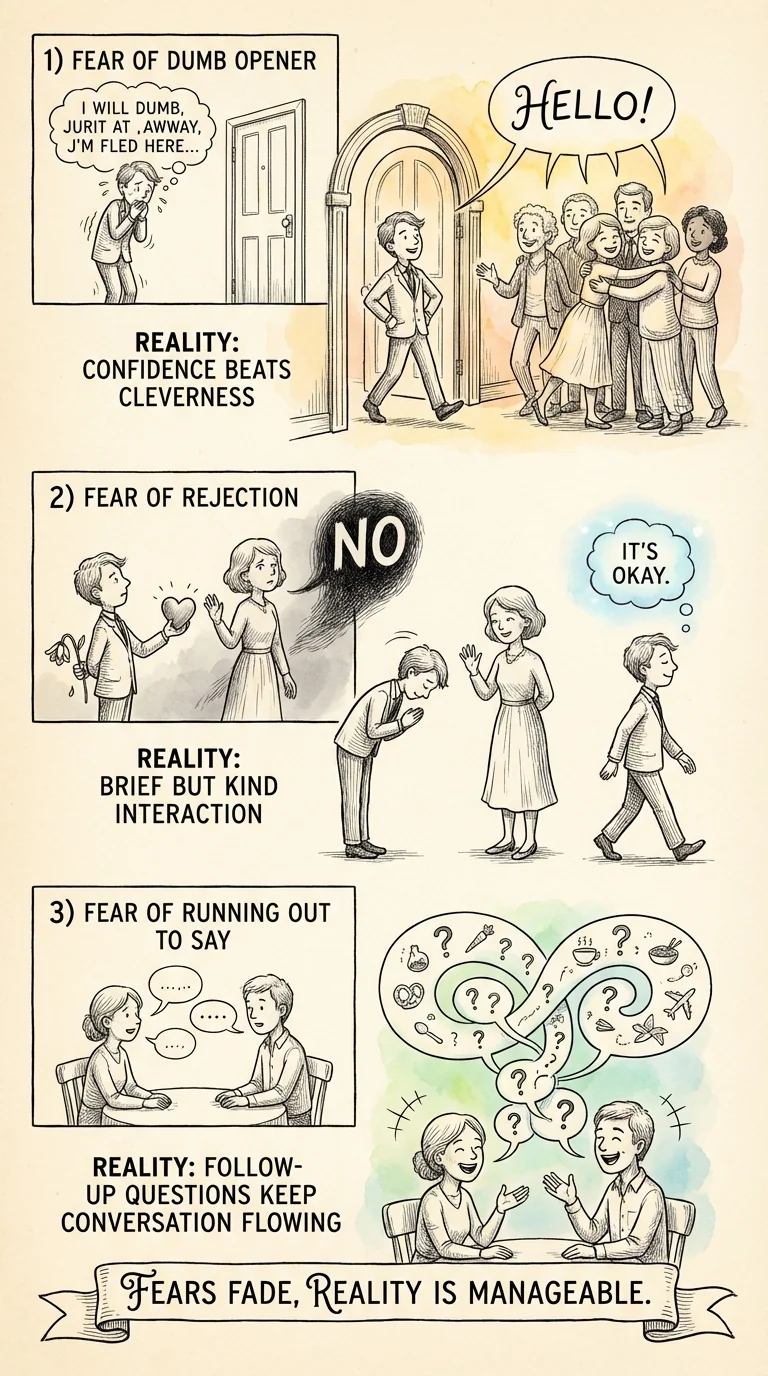
Common fears when starting conversations. Fear: 'They'll think my opener is dumb.' Reality: A normal opener delivered confidently beats a clever opener delivered nervously. They notice your energy more than your words. Fear: 'What if they don't want to talk?' Reality: If they're brief but polite, you excuse yourself gracefully. Not every interaction needs to be deep. No harm done. Fear: 'I'll run out of things to say.' Reality: That's what active listening is for—ask follow-up questions.
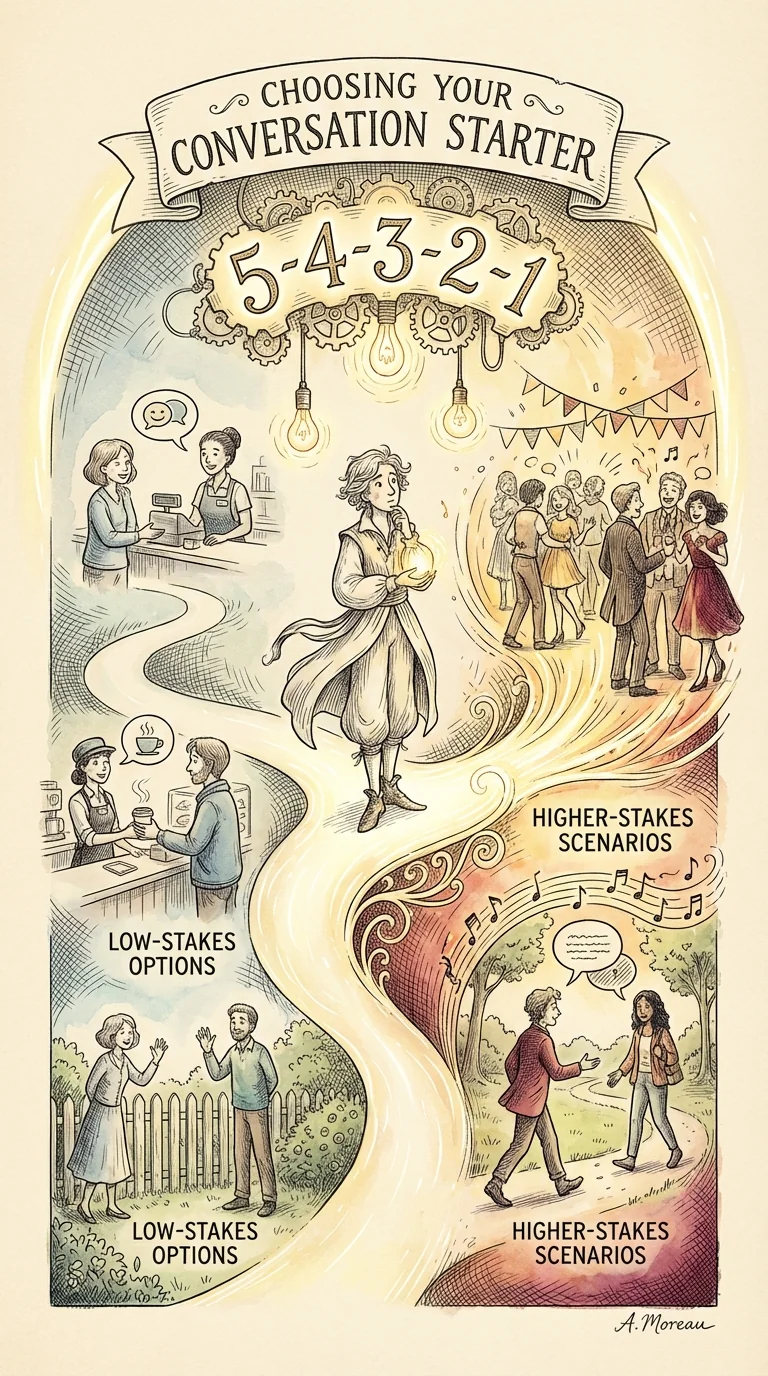
Your practice for today: Start ONE conversation using a context-appropriate opener. Low stakes if you need it: cashier, barista, coworker you know slightly. Higher stakes if you're ready: someone new at a social event. Your process: Choose setting. Pick your opener. 5-4-3-2-1. Deliver it. Then shift to active listening and let the conversation flow naturally.
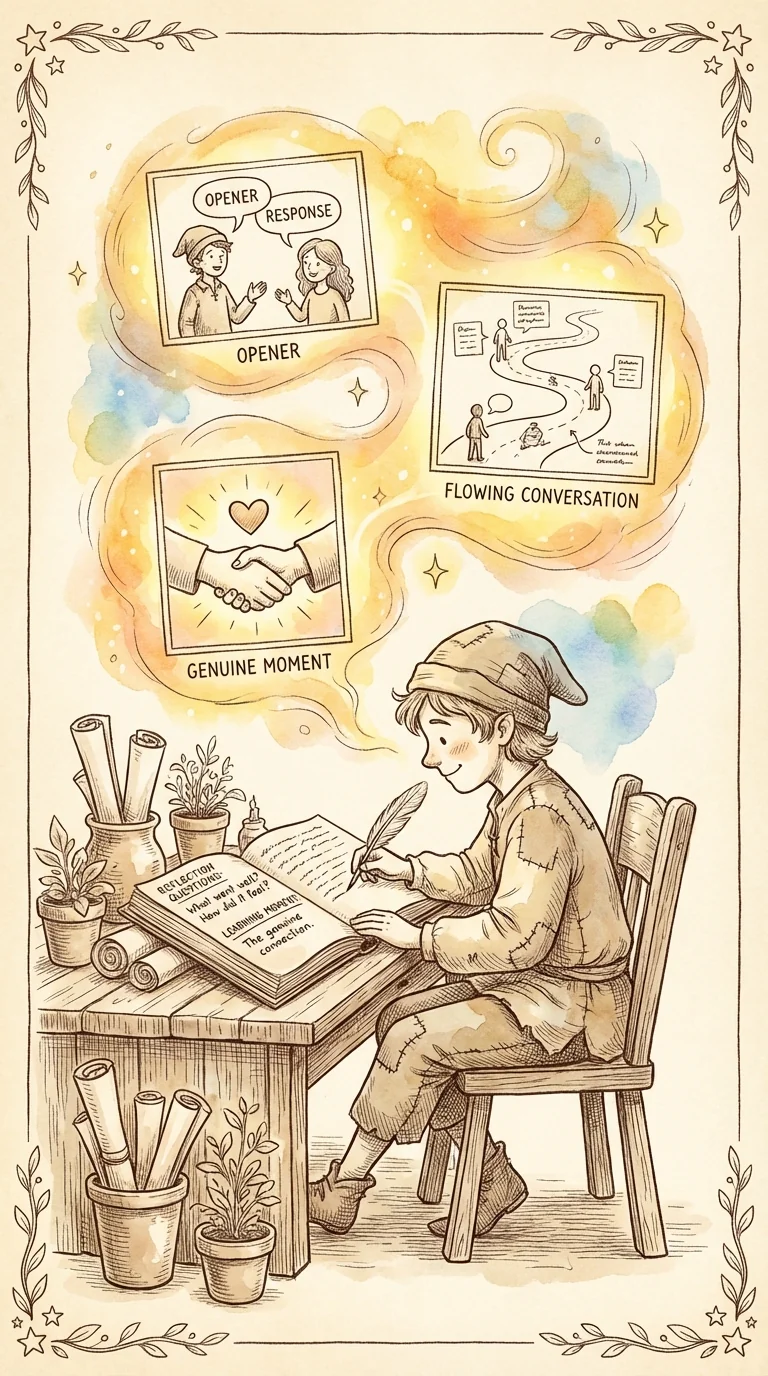
After your conversation, reflect on these: What opener did you use? How did they respond? How did the conversation go? What did you learn about the other person? Notice the pattern—when you approach with genuine curiosity instead of performance anxiety, conversations naturally open up. You're building a skill. Each attempt strengthens it.
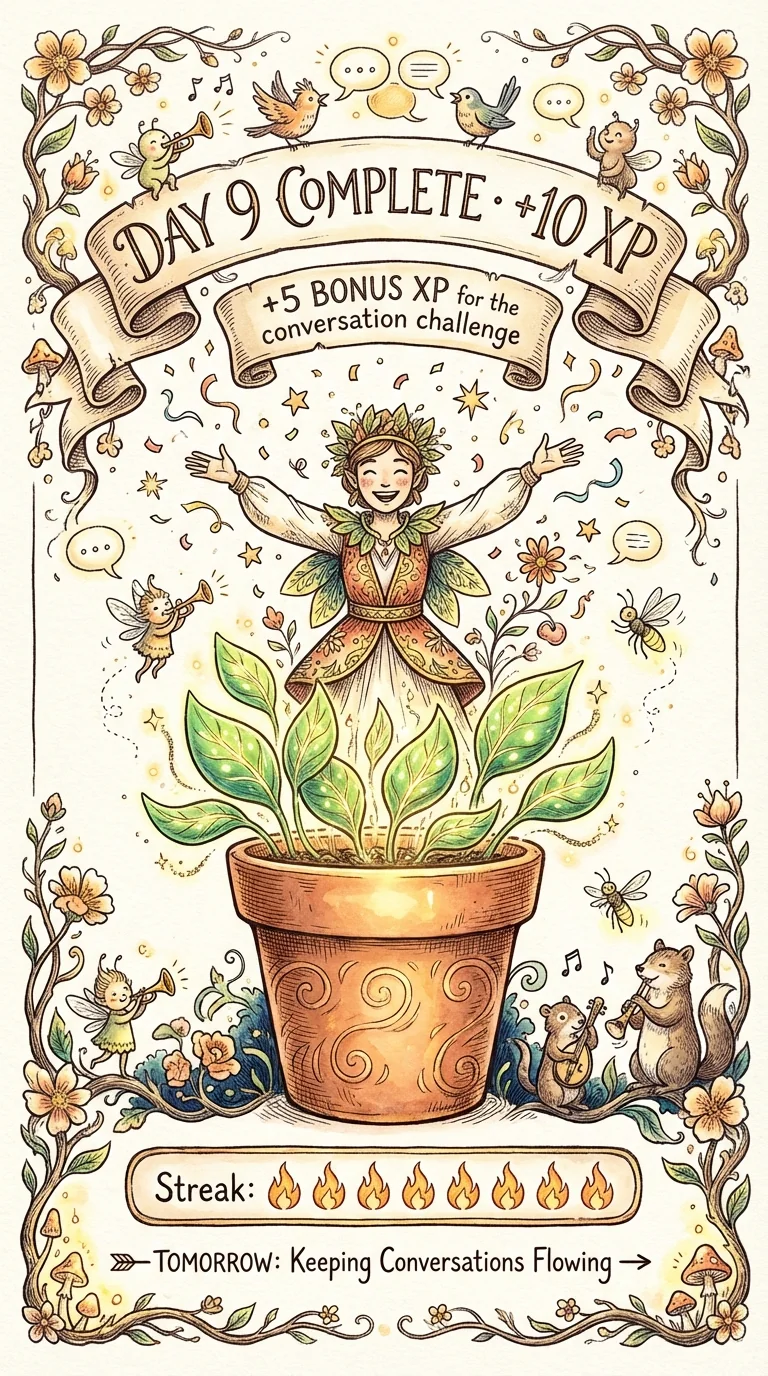
Day 9 complete. Nine leaves on your terracotta plant. Nine days of showing up. Nine skills building. Your banner reads: 'DAY 9 COMPLETE · +10 XP.' You've moved from understanding conversation principles to actually practicing them. Tomorrow: Keeping Conversations Flowing—what happens after the opener, and how to exit gracefully when needed.