Part 1: The Art of Active Listening
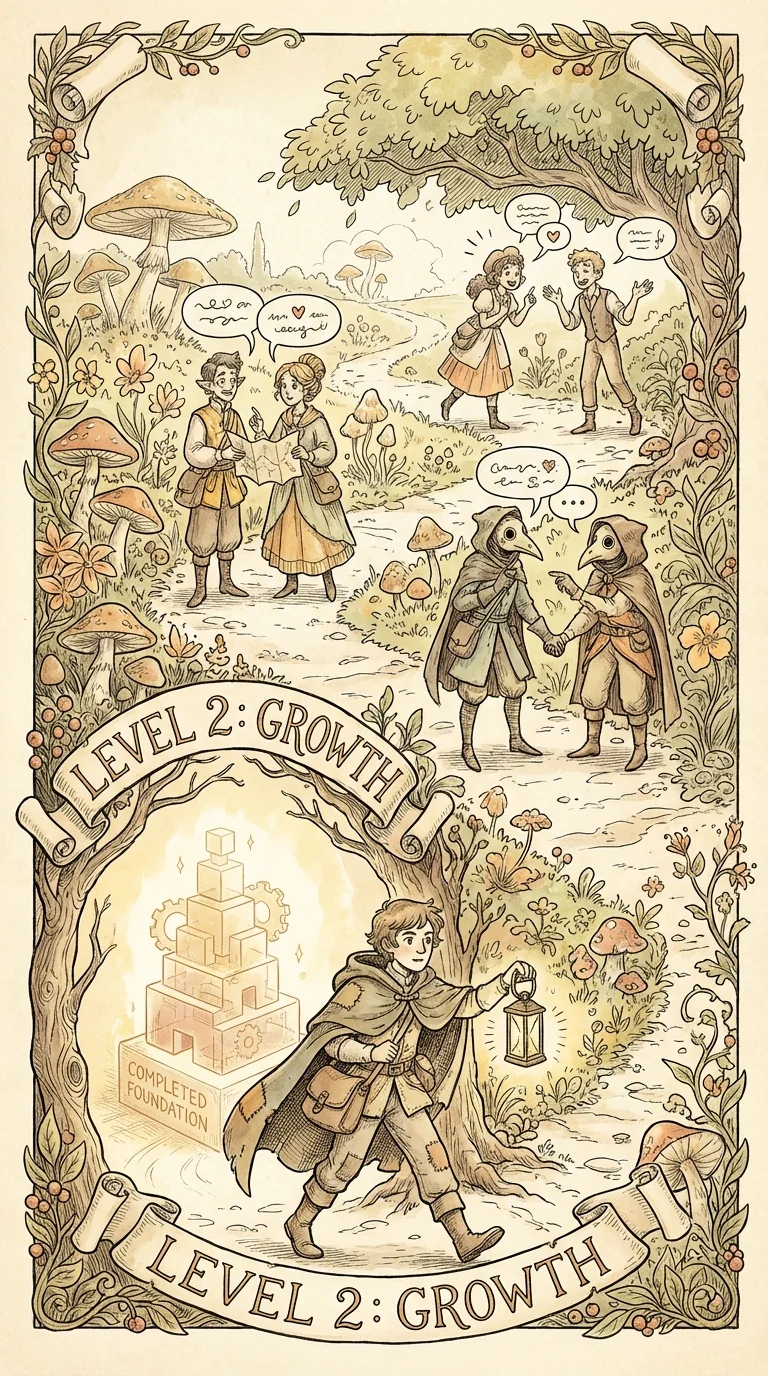
Welcome to Level 2: Growth. You've built your foundation. Now you're learning the concrete skills that transform social confidence from theory into practice. Today's skill: Active Listening—the single most powerful conversation tool you'll ever master.
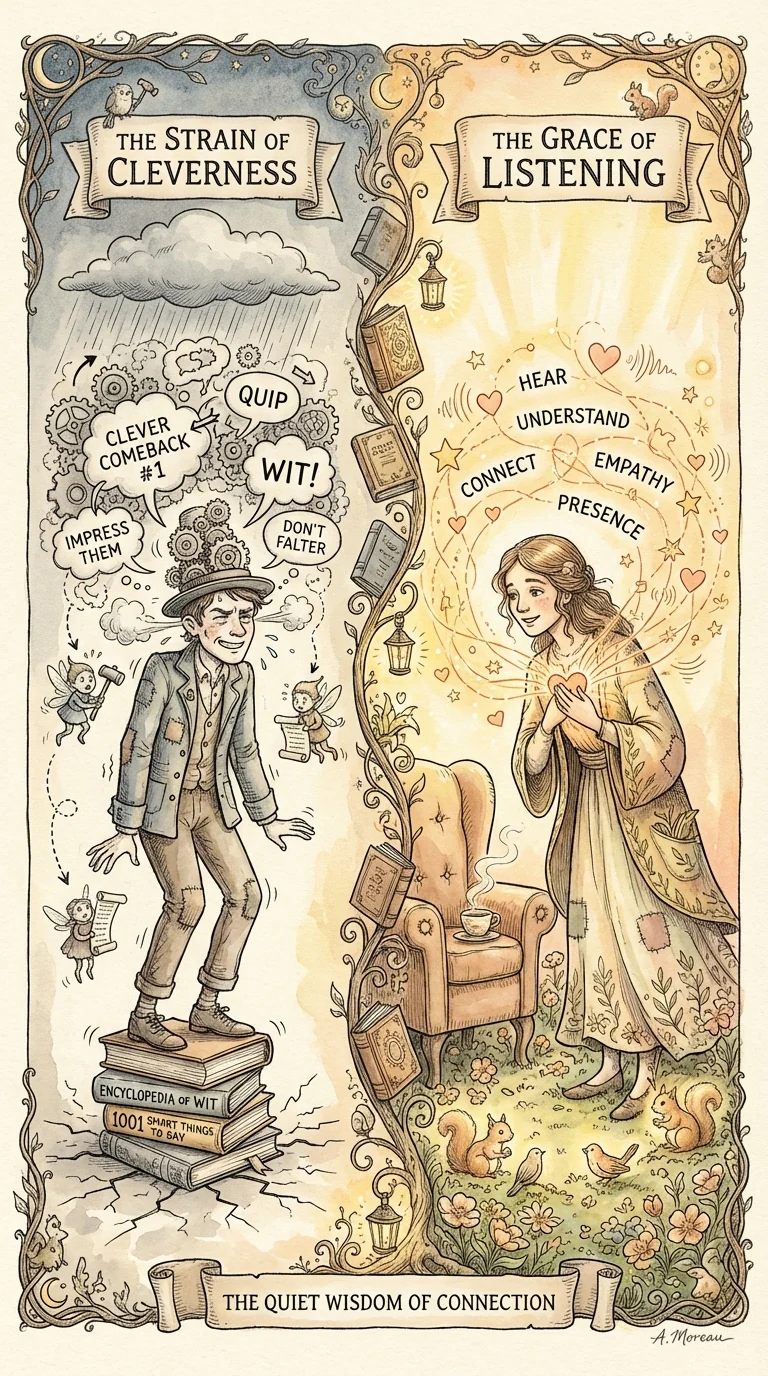
Here's what most people believe makes great conversations: clever things to say, interesting stories, quick wit, perfect responses. But the truth—the real secret—is this: The best conversationalists are the best listeners. Most of us have this completely backwards.
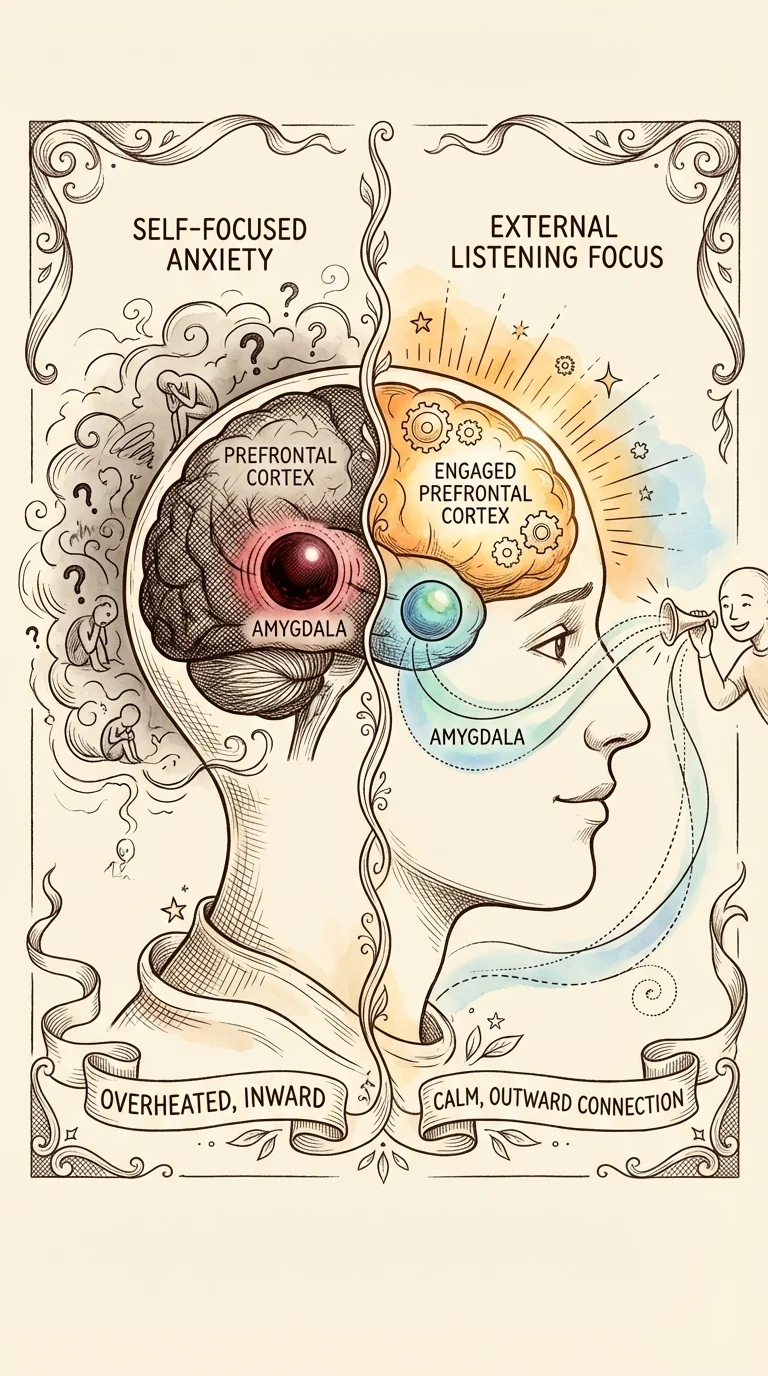
When you're anxiously focused on yourself during conversations—'What should I say? Do I look awkward? What if I sound stupid?'—your prefrontal cortex is partially offline. Your amygdala (fear center) is hyperactive. You're literally unable to think clearly or process what the other person is saying. But shift to external focus—'What are they saying? What do they care about?'—and everything changes.
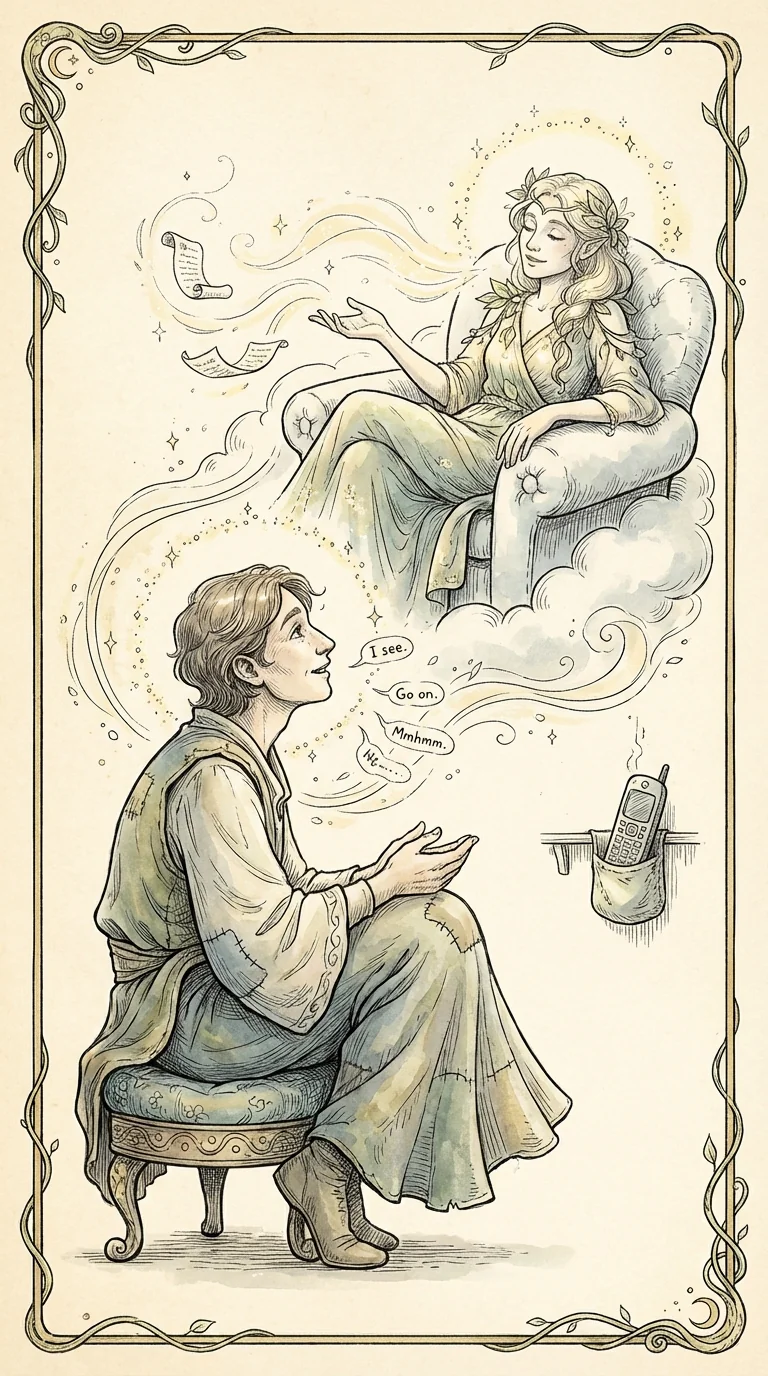
Active listening is simple: Eye contact (comfortable, not staring). Verbal acknowledgments ('mm-hmm,' 'I see,' 'That makes sense'). Open body language—face them, lean slightly in. Eliminate distractions. Then ask follow-up questions based on what they just said, not where your mind went.
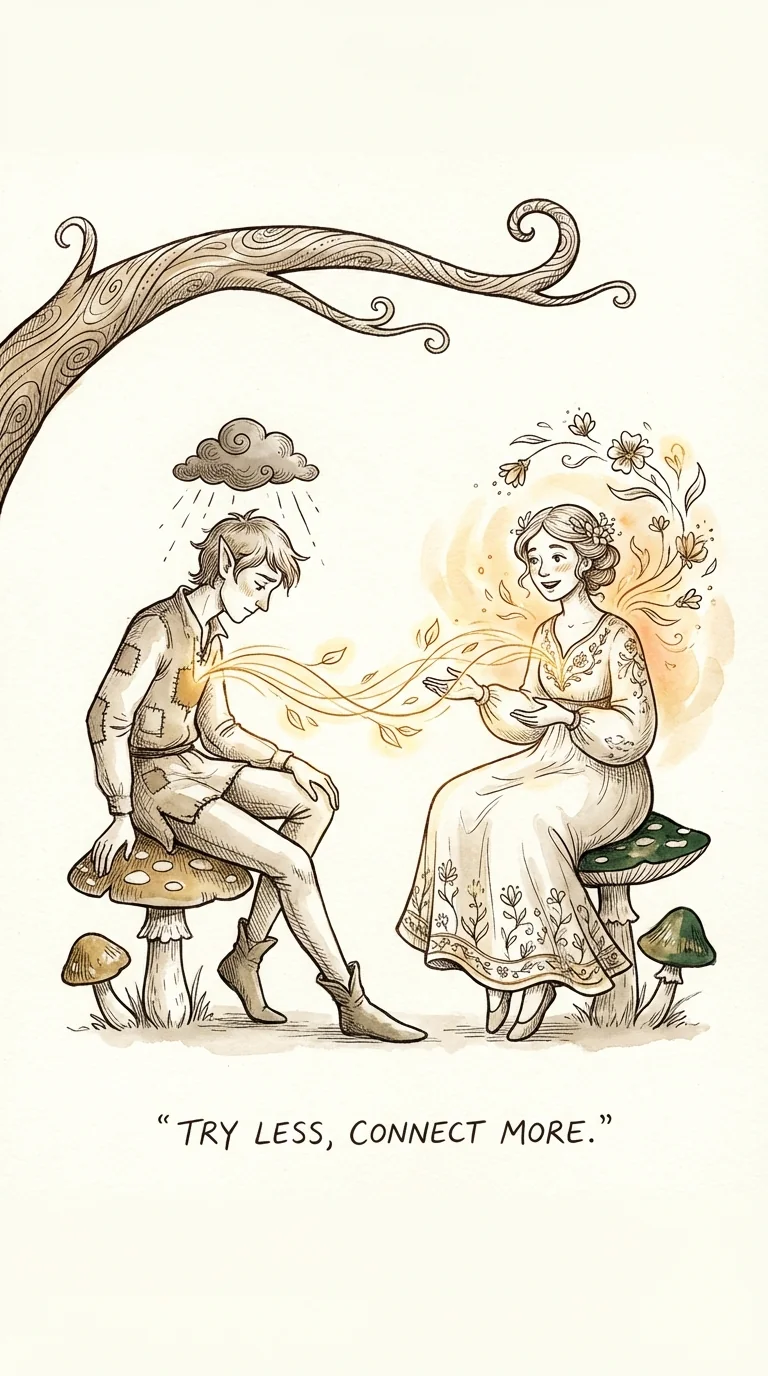
When you listen this way, two things happen simultaneously: Your anxiety drops (you're not focused on yourself anymore—there's no mental real estate for rumination). And your connection deepens (people feel valued when truly heard, and they keep talking, which means the conversation naturally flows). This is the confidence paradox—you become more impressive by trying less to impress.
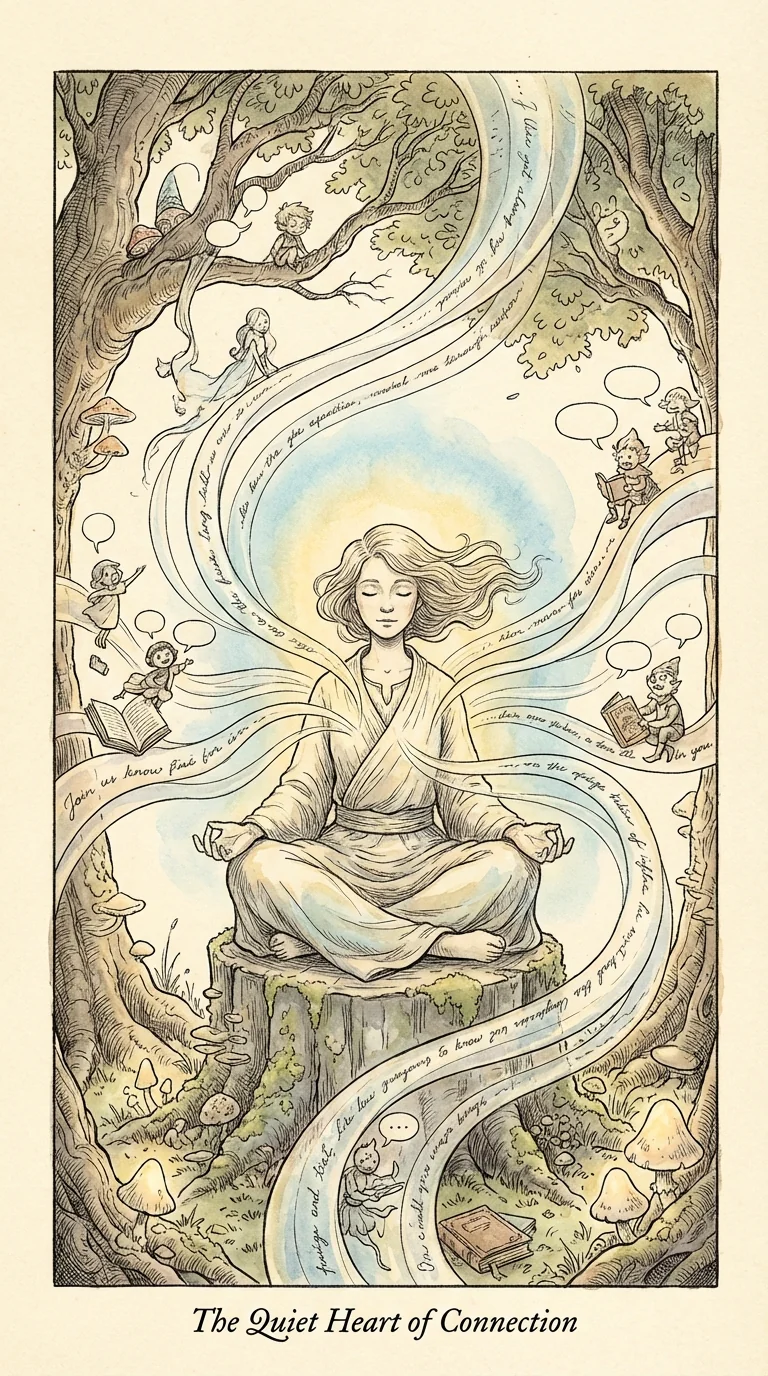
The framework is simple. The impact is profound. Part 2 will walk you through real-world examples, show you what mistakes to avoid, and give you today's practice challenge. But first, understand this: You don't need to be more interesting. You just need to be more present.
Part 2: Active Listening in Action
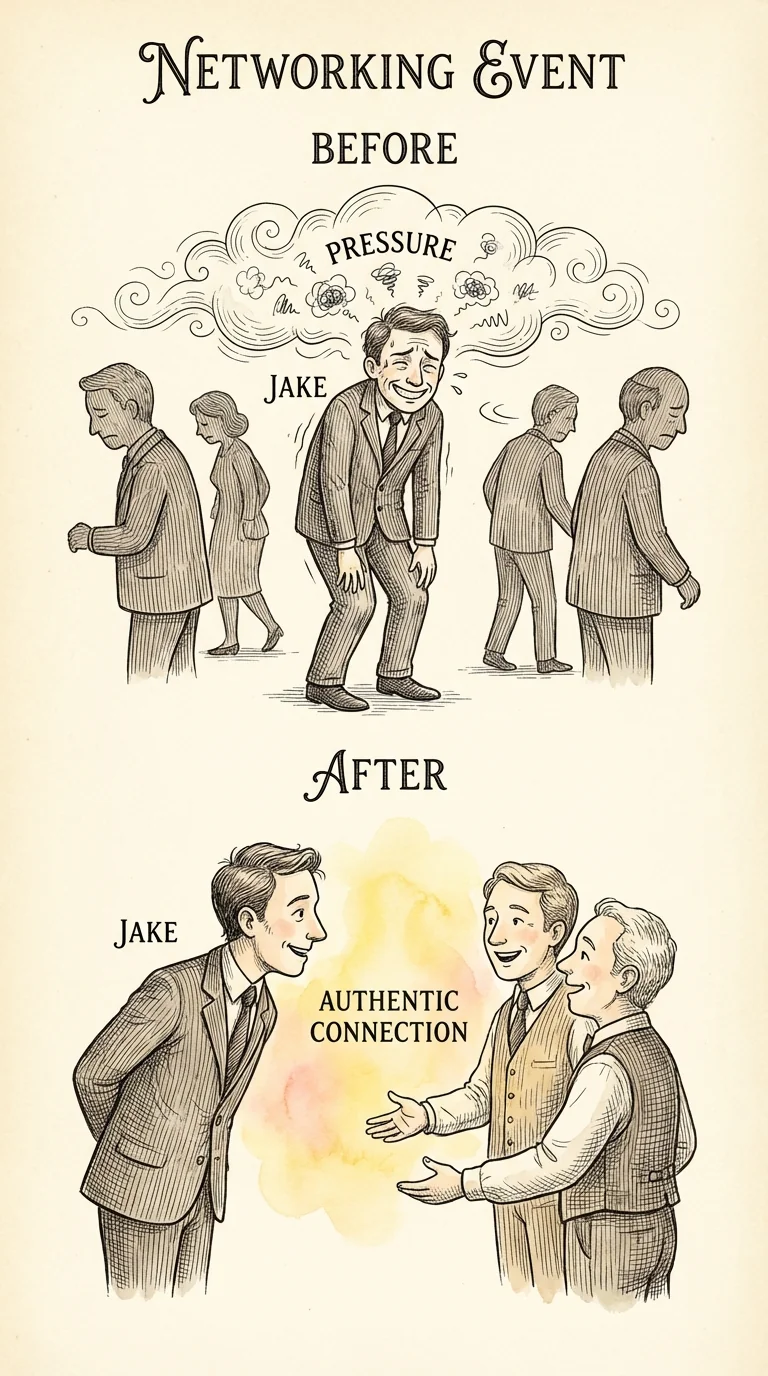
Meet Jake. He used to dread networking events: 'What should I say? How do I seem interesting?' His anxiety made him either stay silent or over-talk to fill the void. Then he discovered active listening. His new approach: 'I'm not here to perform. I'm here to learn about people.' At his next event, he asked genuine questions, listened fully, and asked follow-ups based on what people said. His reward? Everyone said, 'It was so great talking with you'—even though Jake spoke maybe 30% of the time.
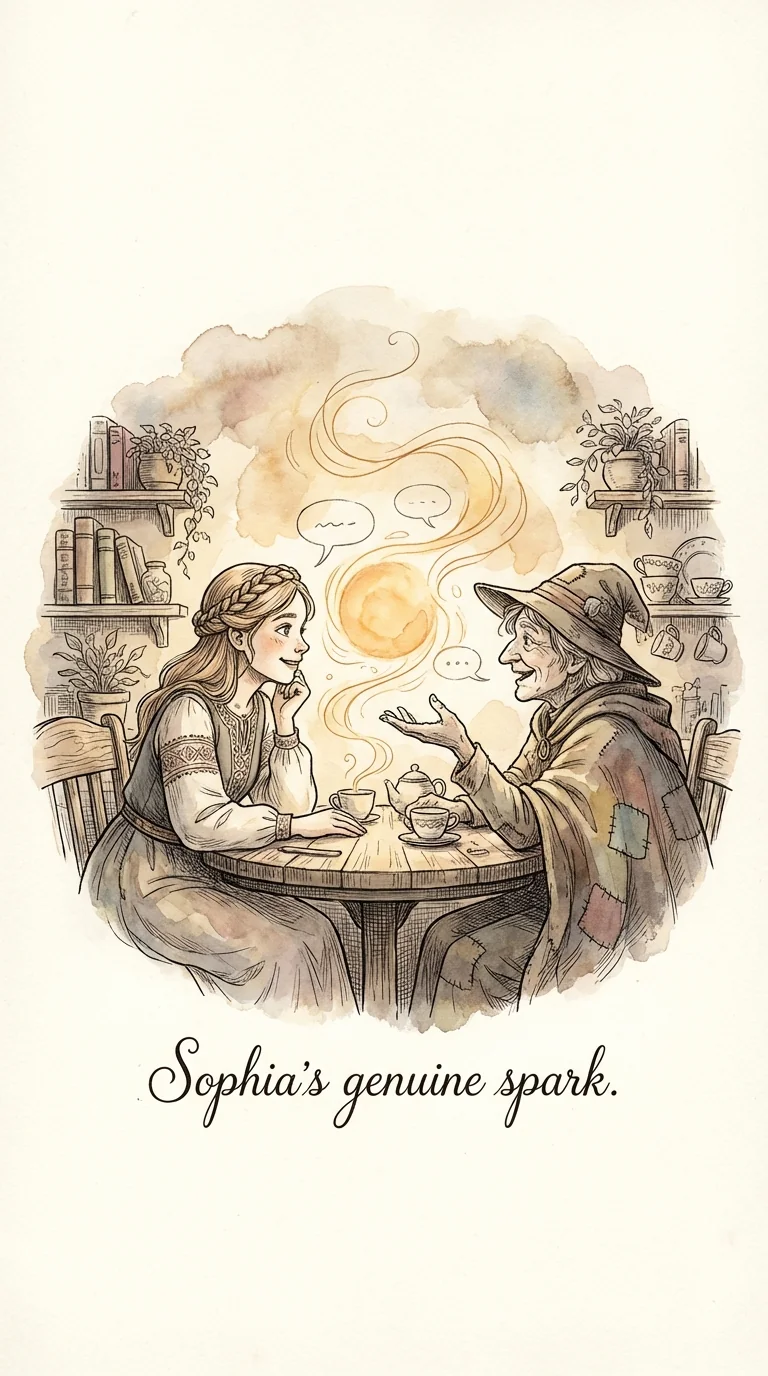
Sophia struggled with small talk—conversations felt forced and awkward. Then the shift came: Stop trying to say clever things. Just be genuinely curious. She practiced with a coworker about weekend plans: Instead of 'That's nice,' she asked, 'What are you most looking forward to?' Instead of nodding vaguely when someone mentioned their job, she asked, 'What do you love about that work?' Conversations started flowing naturally. Her insight: 'Genuine curiosity is magnetic. People respond to real interest.'
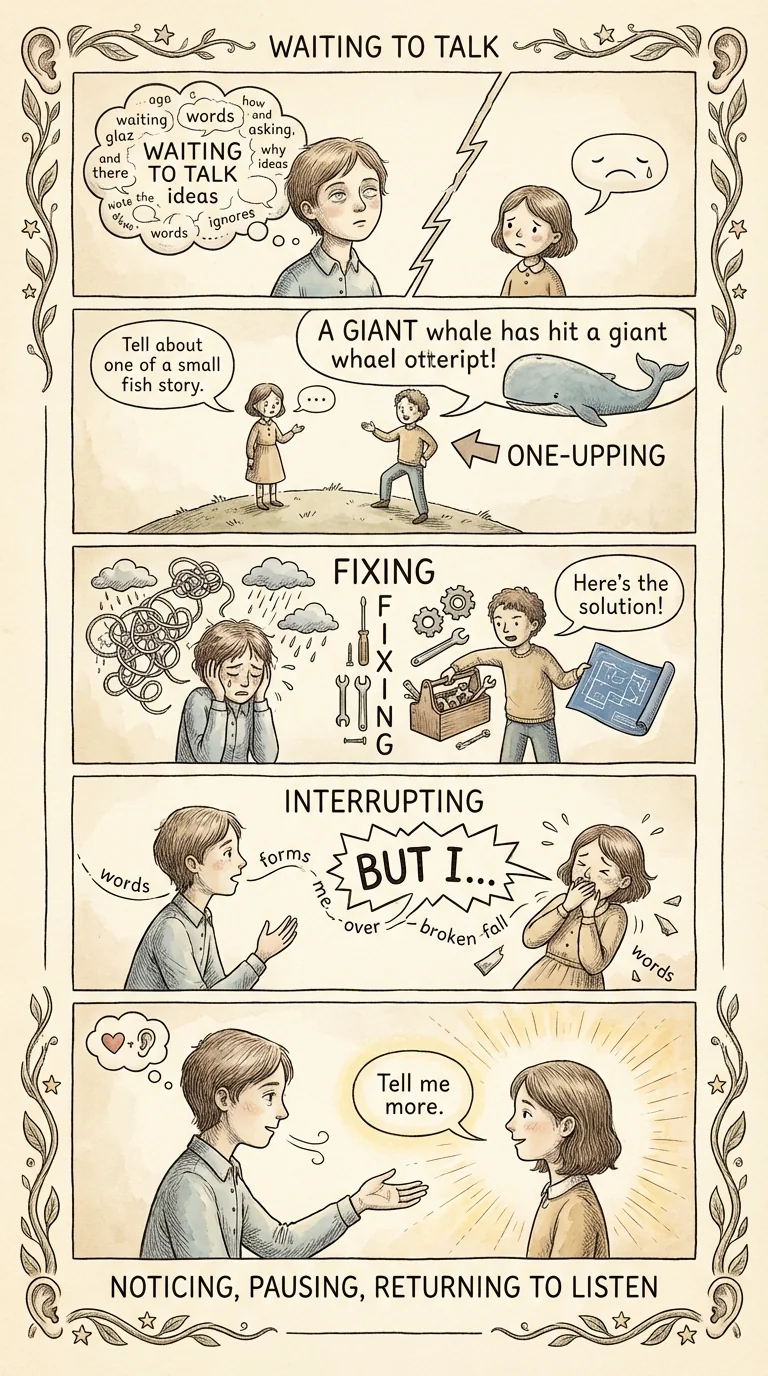
Common mistakes people make: Waiting to talk (planning your response while they speak, then missing half of what they say). One-upping (they mention hiking, you mention your bigger mountain climb). Fixing instead of listening (jumping to solutions when they want empathy). Interrupting (cutting them off mid-thought). These habits destroy real connection. Catch yourself doing them? Notice, gently redirect. Say, 'Tell me more,' and settle back into listening.
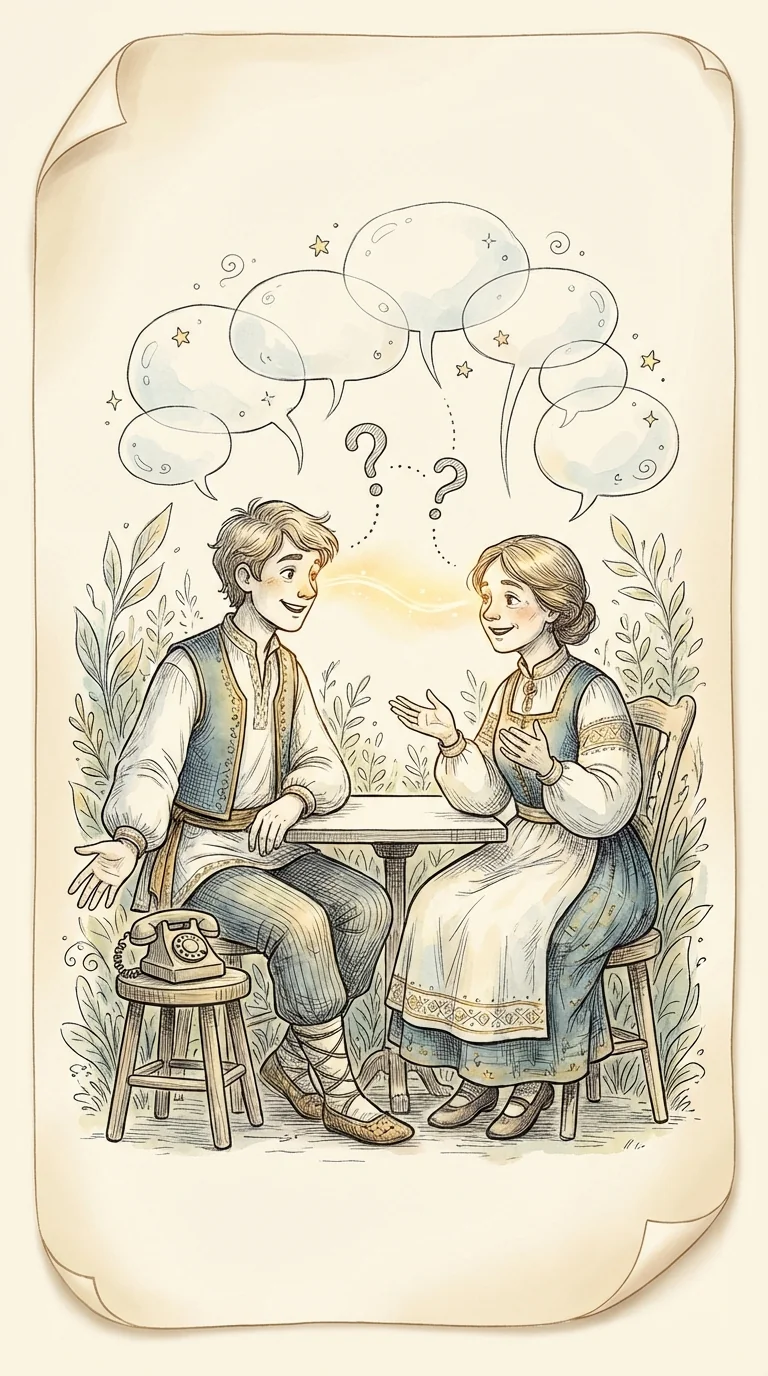
Your practice challenge today: Have ONE conversation—at least 5 minutes—where you practice 100% active listening. Keep your eye contact comfortable. Use verbal acknowledgments ('mm-hmm,' 'I see,' 'That sounds...'). Make sure your body language is open. Put your phone away. Ask at least TWO follow-up questions based on what they actually say. Resist planning your response while they speak.
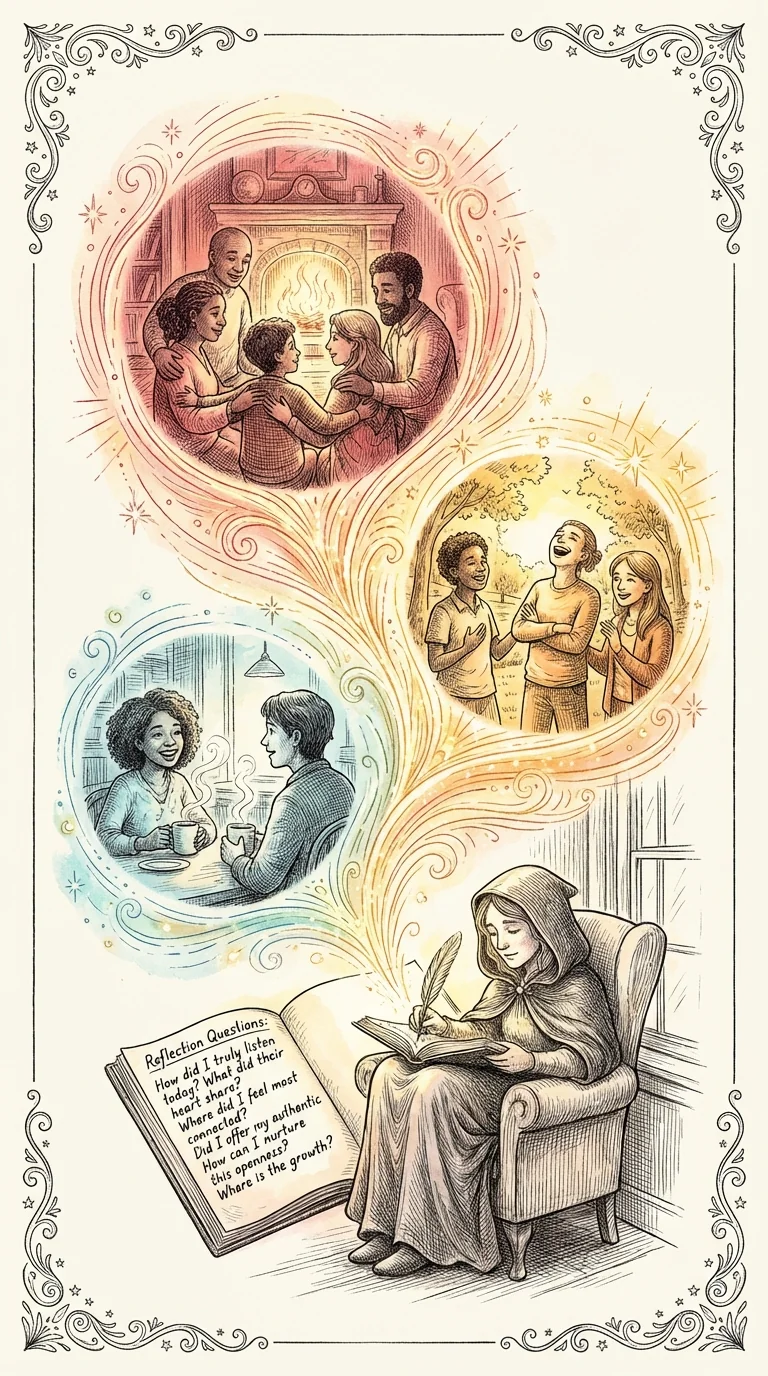
After your conversation, journal on this: How did focusing externally (on them) affect your anxiety level? What did you actually learn about this person that you didn't know before? How did they respond to being truly heard? Bonus challenge: Repeat this in two more conversations today. Notice the pattern: Better listening equals less anxiety and deeper connection every single time.
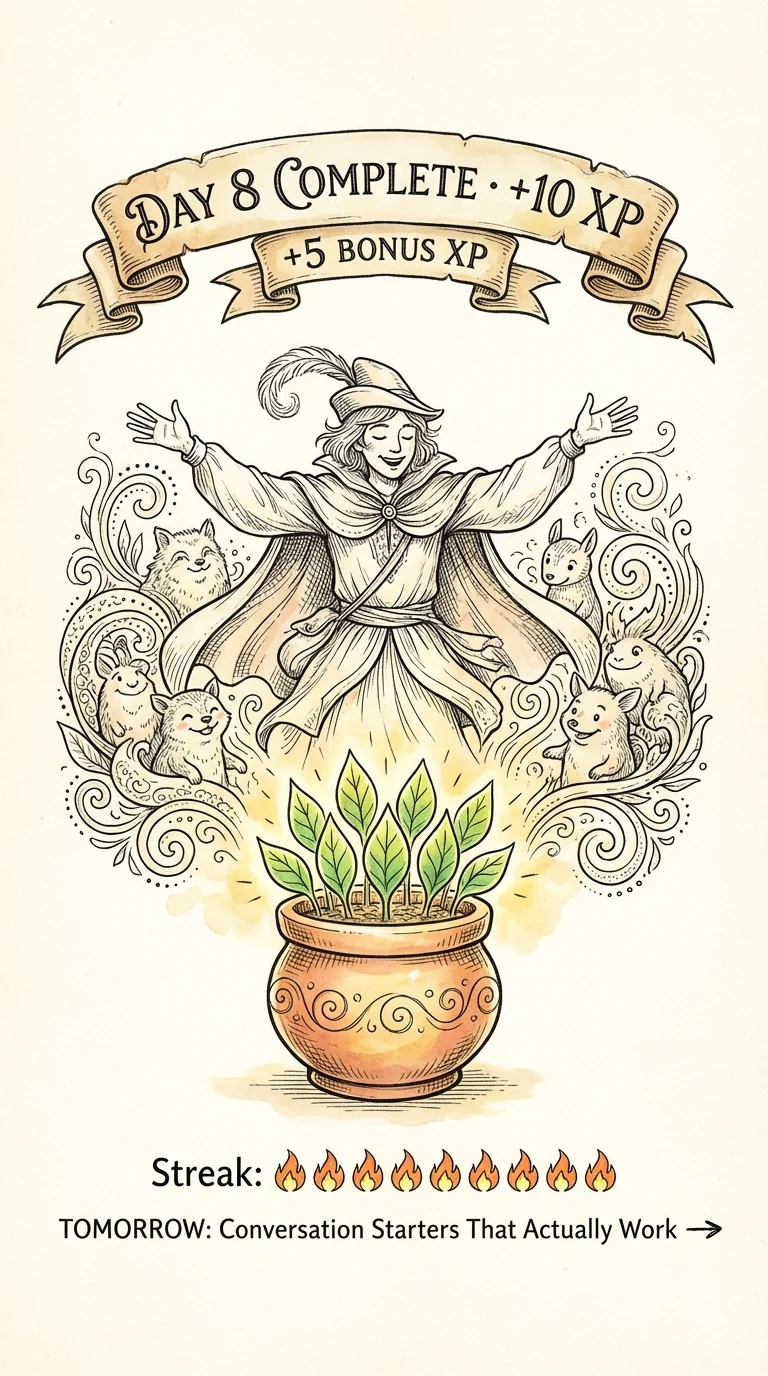
Day 8 complete. A terracotta plant with 8 green leaves stands as your proof of commitment. Each leaf represents a day you've shown up, a skill you're building. The banner reads: 'DAY 8 COMPLETE · +10 XP.' You're in the Growth phase now—no longer learning theory, but practicing real skills. Tomorrow: Conversation Starters That Actually Work—how to begin authentic conversations naturally.