Part 1: The 5-Second Rule
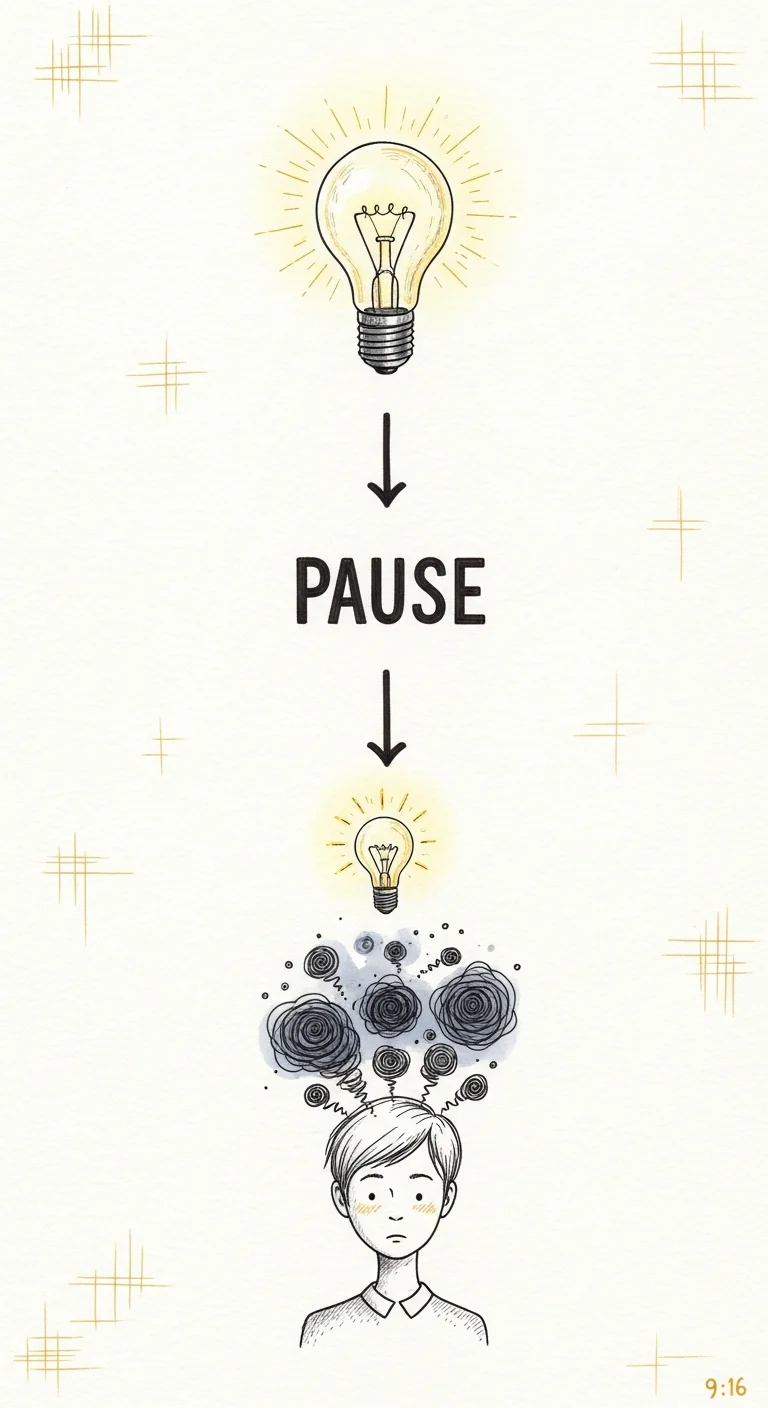
You've learned thought challenging and broken the avoidance trap. But there's still that crucial moment: between having an impulse to act and actually acting. That gap—that pause—is where hesitation kills confidence.
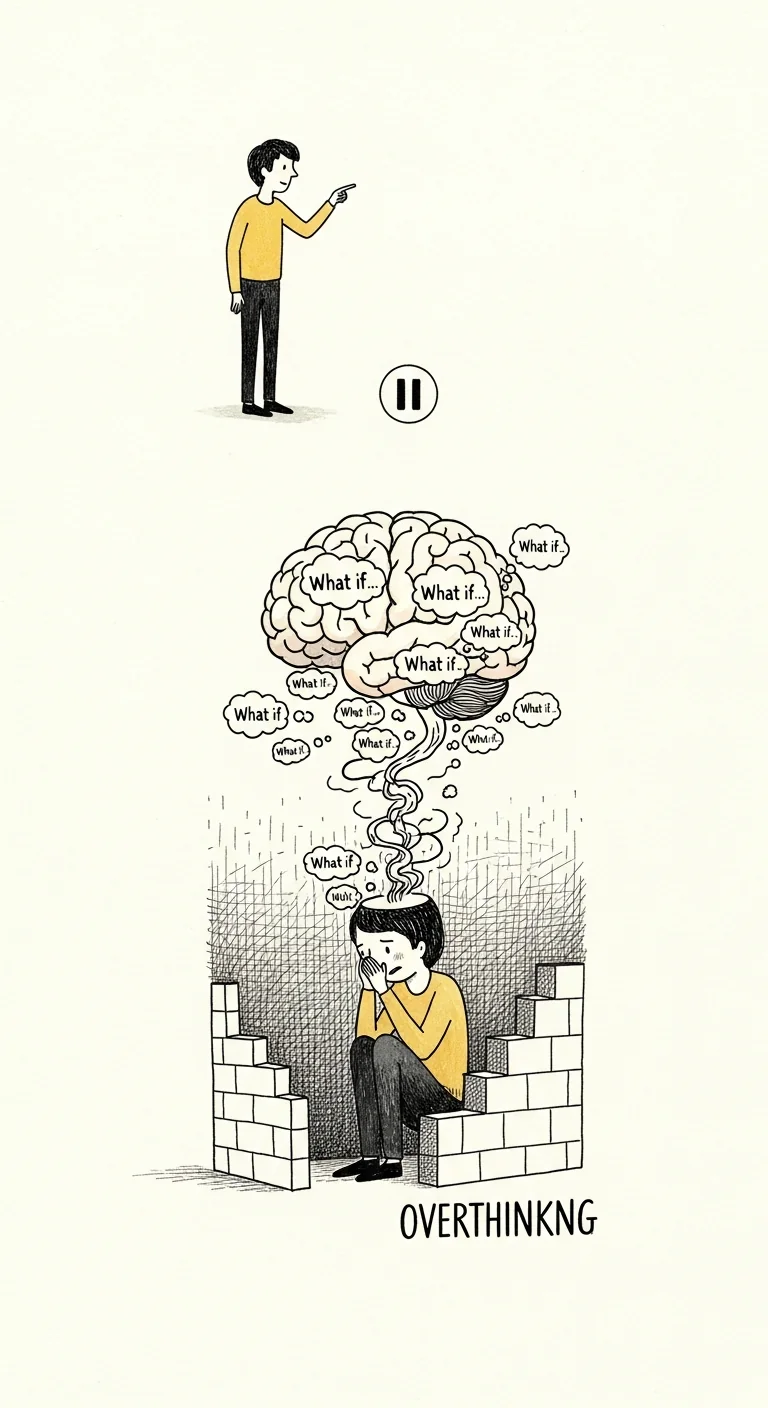
Here's the pattern: You see someone you want to talk to → you pause → your overthinking brain generates every reason NOT to act → you talk yourself out of it. In that gap, fear builds arguments. Anxiety whispers: 'What if they don't want to talk? What if you sound stupid? What if, what if, what if?'
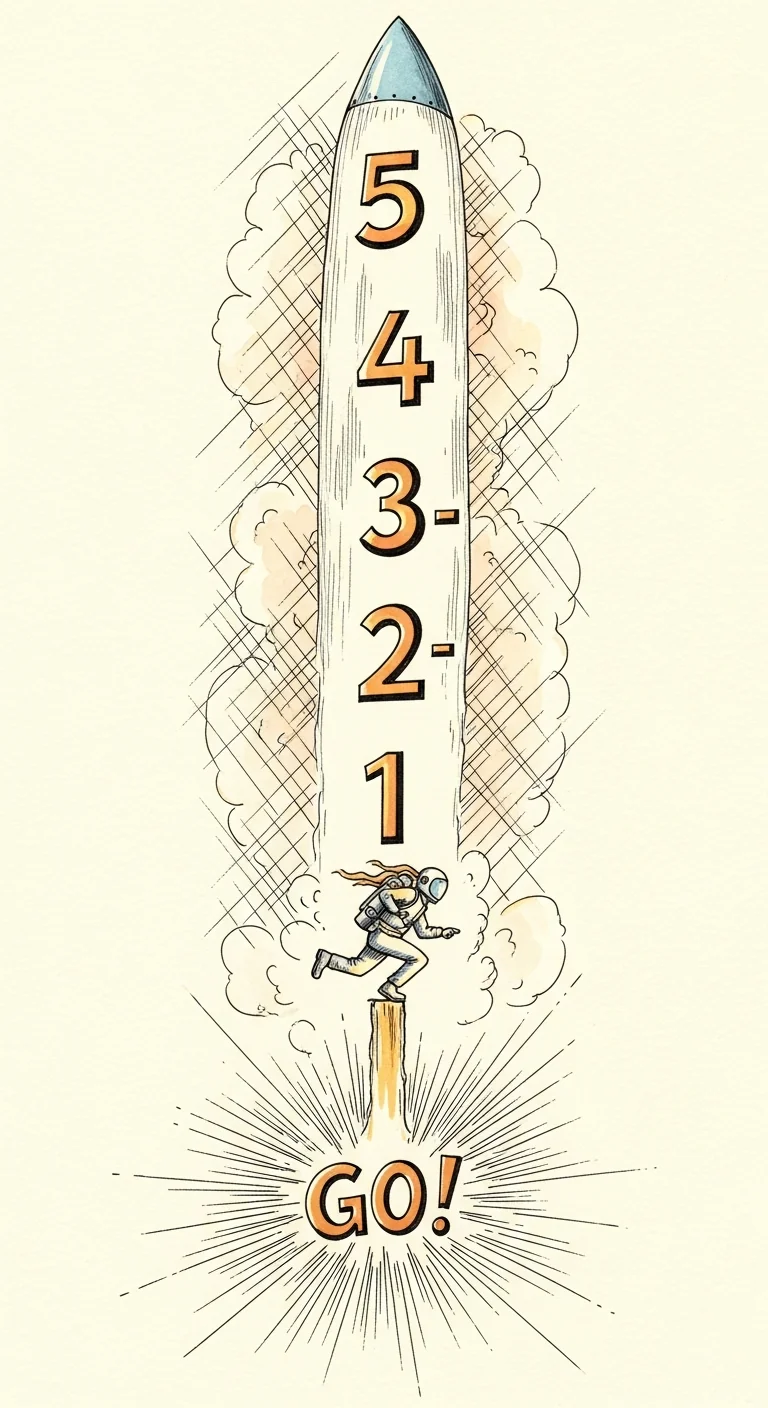
Enter: The 5-Second Rule, created by Mel Robbins. It's deceptively simple. The moment you have an impulse to act on a goal, count backwards: 5—4—3—2—1—GO. Then immediately move. That's it. No waiting for perfect moment or perfect confidence.
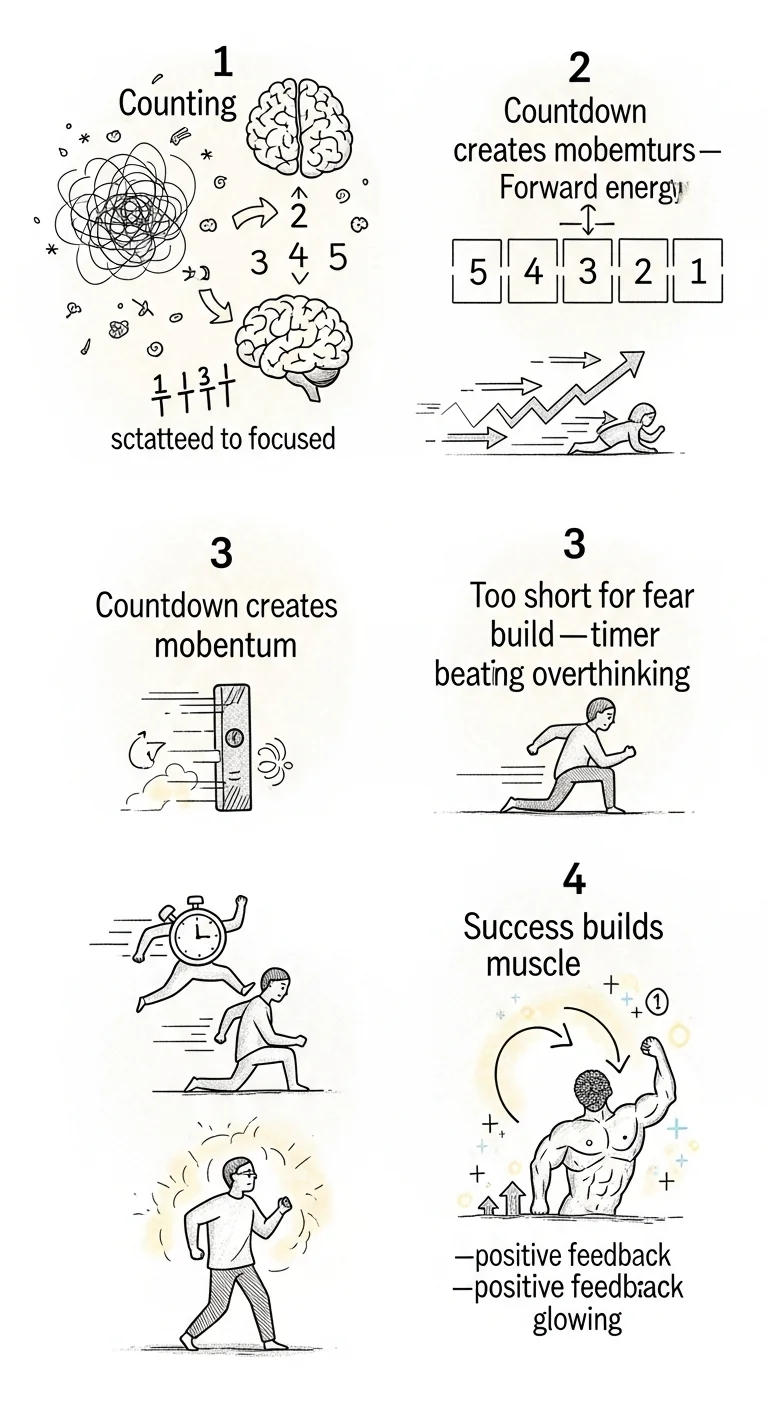
Why it works in four ways: 1) Counting interrupts overthinking—you can't generate 'what ifs' while actively counting. 2) The countdown creates momentum like a rocket launch. 3) Five seconds is too short for fear to fully mobilize—you act before anxiety catches up. 4) Each success trains your brain: impulse → count → action → positive outcome.
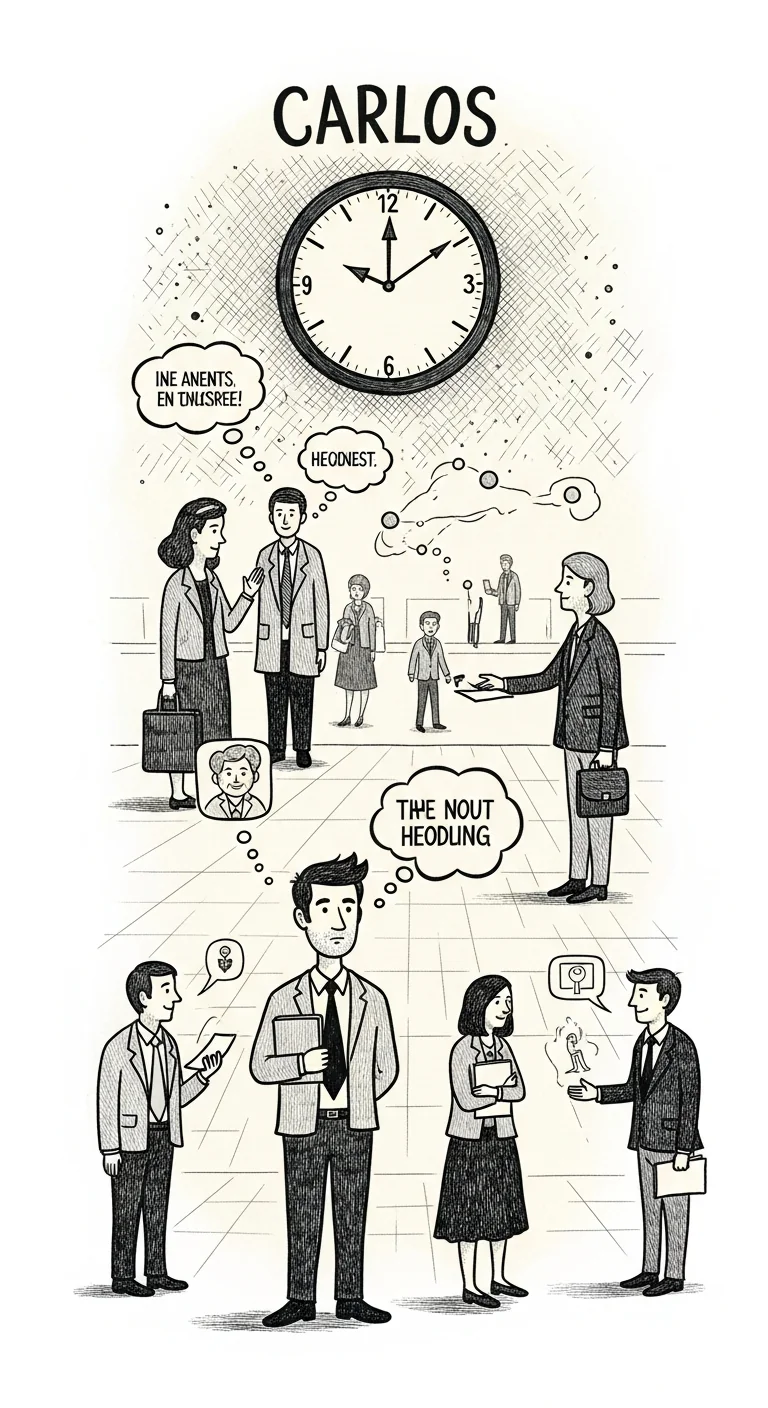
Carlos's story: He wanted to network at a conference. But every time he saw someone to talk to, he'd hesitate: 'They're probably busy... I don't want to intrude... I'll wait for a better moment.' The right moment never came.
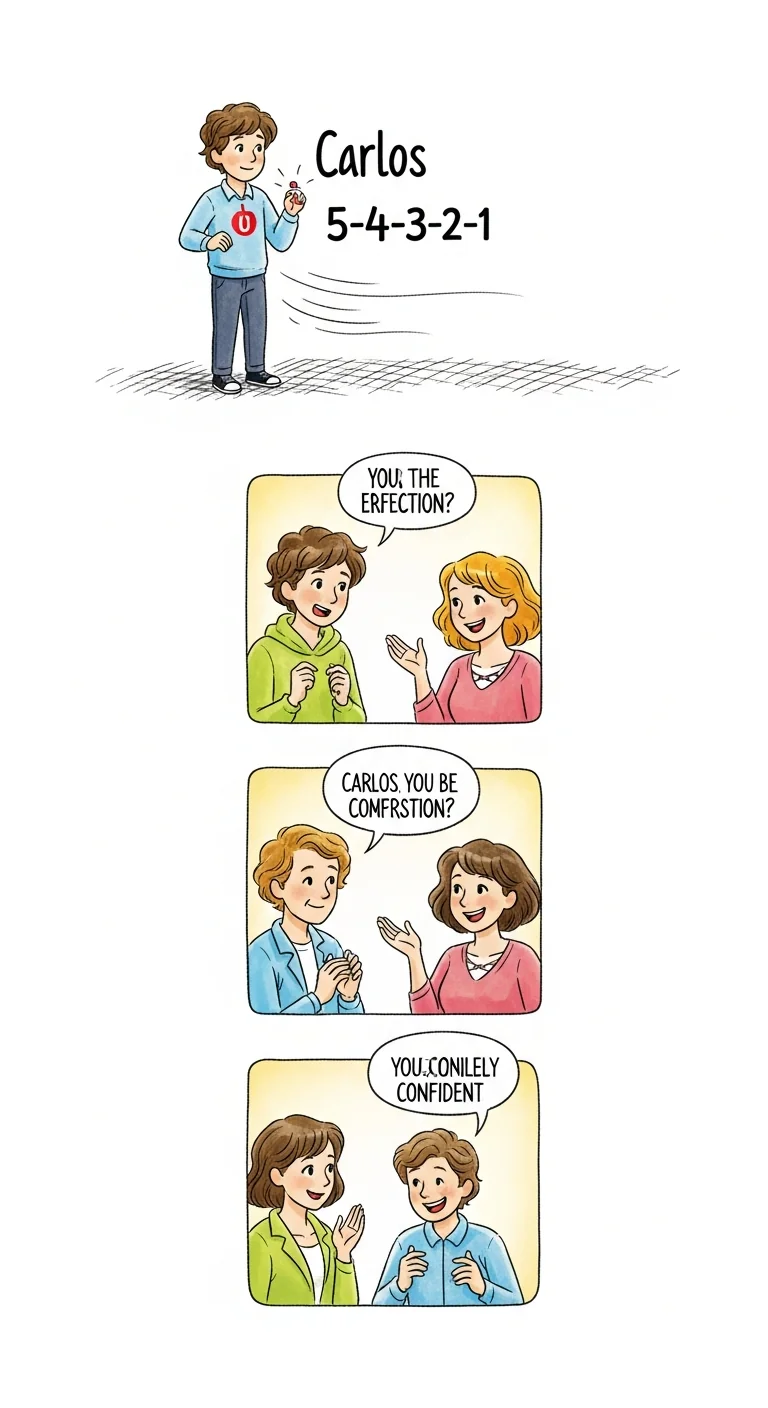
Then Carlos learned the 5-Second Rule. Spotted someone interesting: 5—4—3—2—1—GO. He walked over before his brain could object. 'Hi, I'm Carlos. How are you finding the conference?' The conversation flowed naturally. By the end of the conference, 12 connections. Several became valuable professional relationships.
Part 2: Master the 5-Second Rule
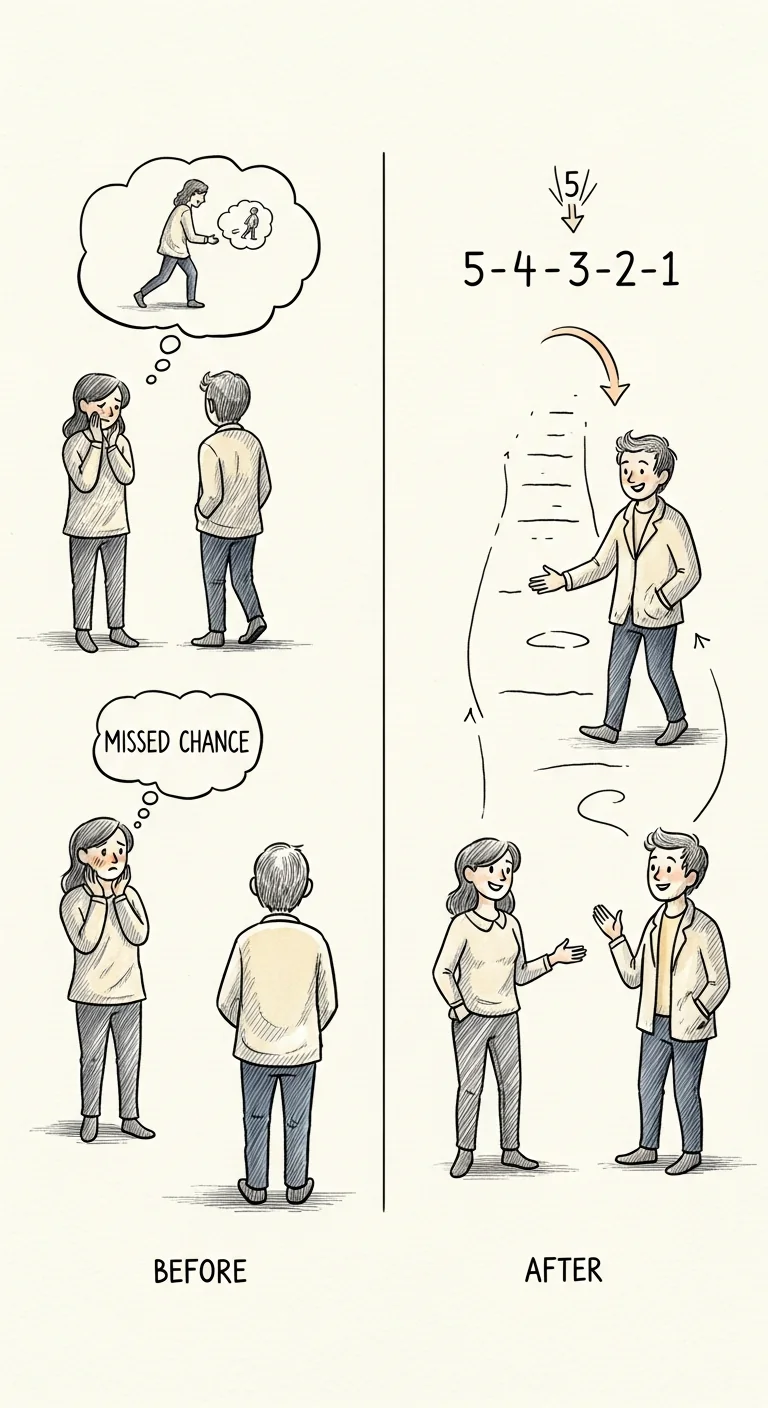
Let's look at real scenarios where the 5-Second Rule transforms things. Scenario 1: You want to start a conversation. Old pattern: See someone interesting → think about talking to them → hesitate → they leave → you regret it. New pattern: See someone → 5—4—3—2—1—GO → walk over → 'Hi, I'm [name].'
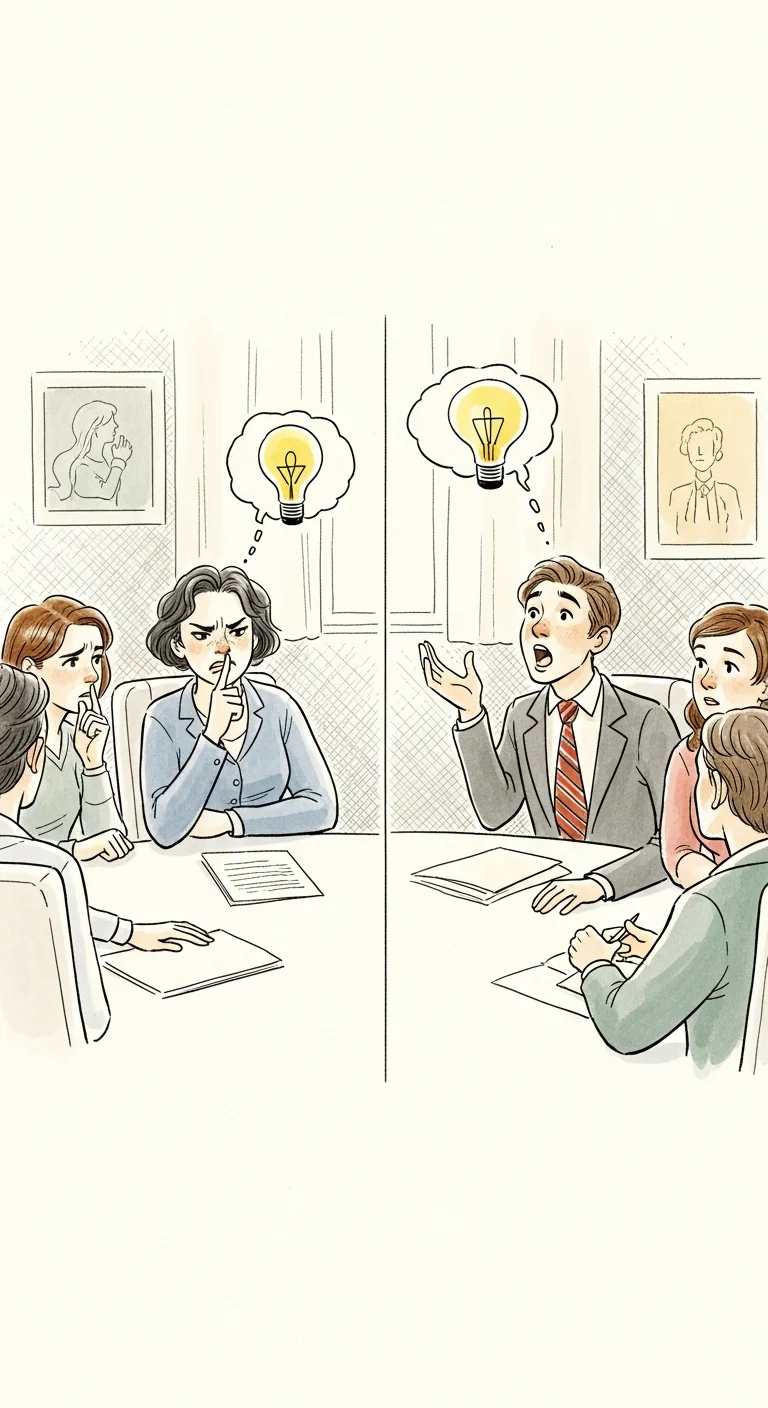
Scenario 2: You have an idea to share in a meeting. Old pattern: Idea appears → think about sharing → analyze if it's good enough → decide it's risky → stay silent → someone else says your idea. New pattern: Idea appears → 5—4—3—2—1→ speak up: 'I have a thought on this...'
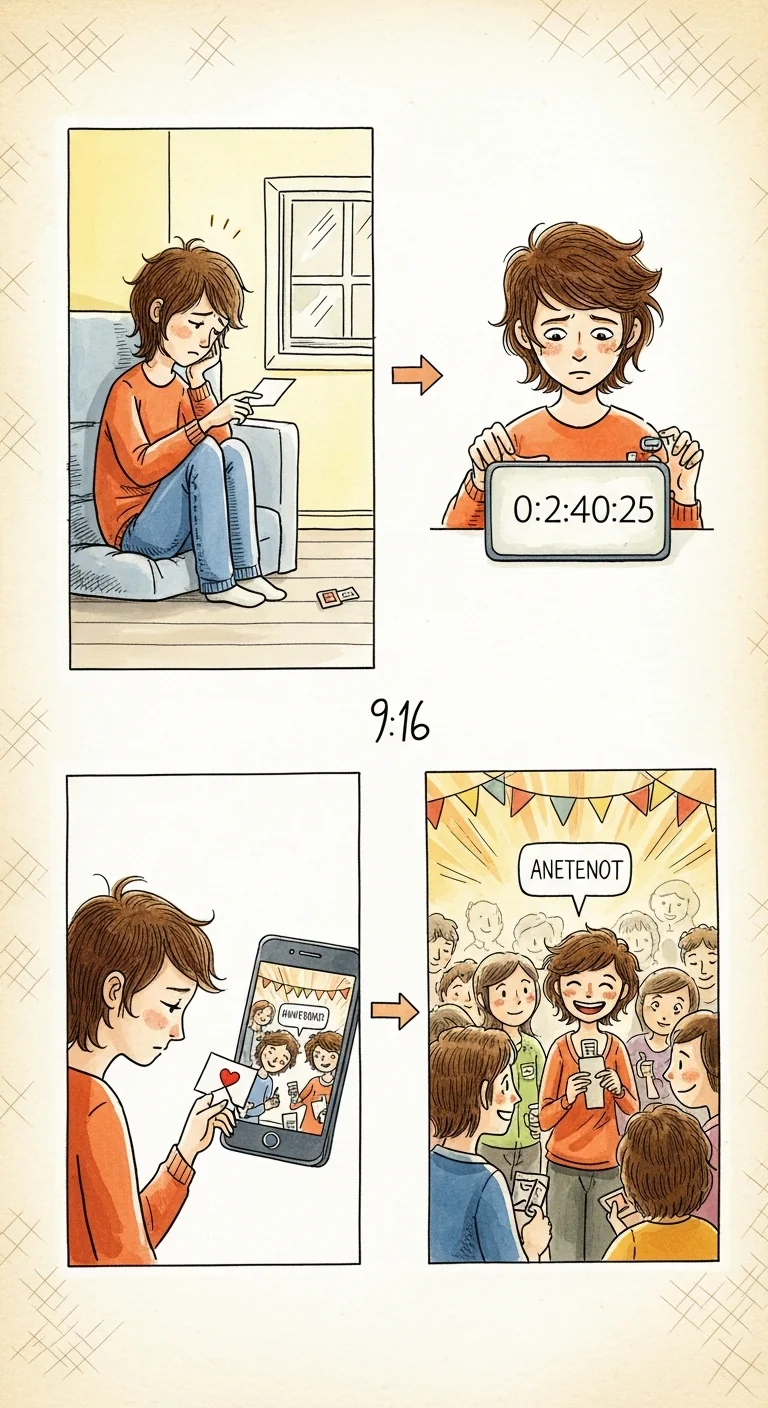
Scenario 3: Someone invites you out. Old pattern: Invitation → doubt → overthink (don't know anyone, might be awkward, I'm tired) → decline → regret staying home. New pattern: Invitation arrives → 5—4—3—2—1—GO → 'Yes, I'll be there!' → you go, have a decent time.
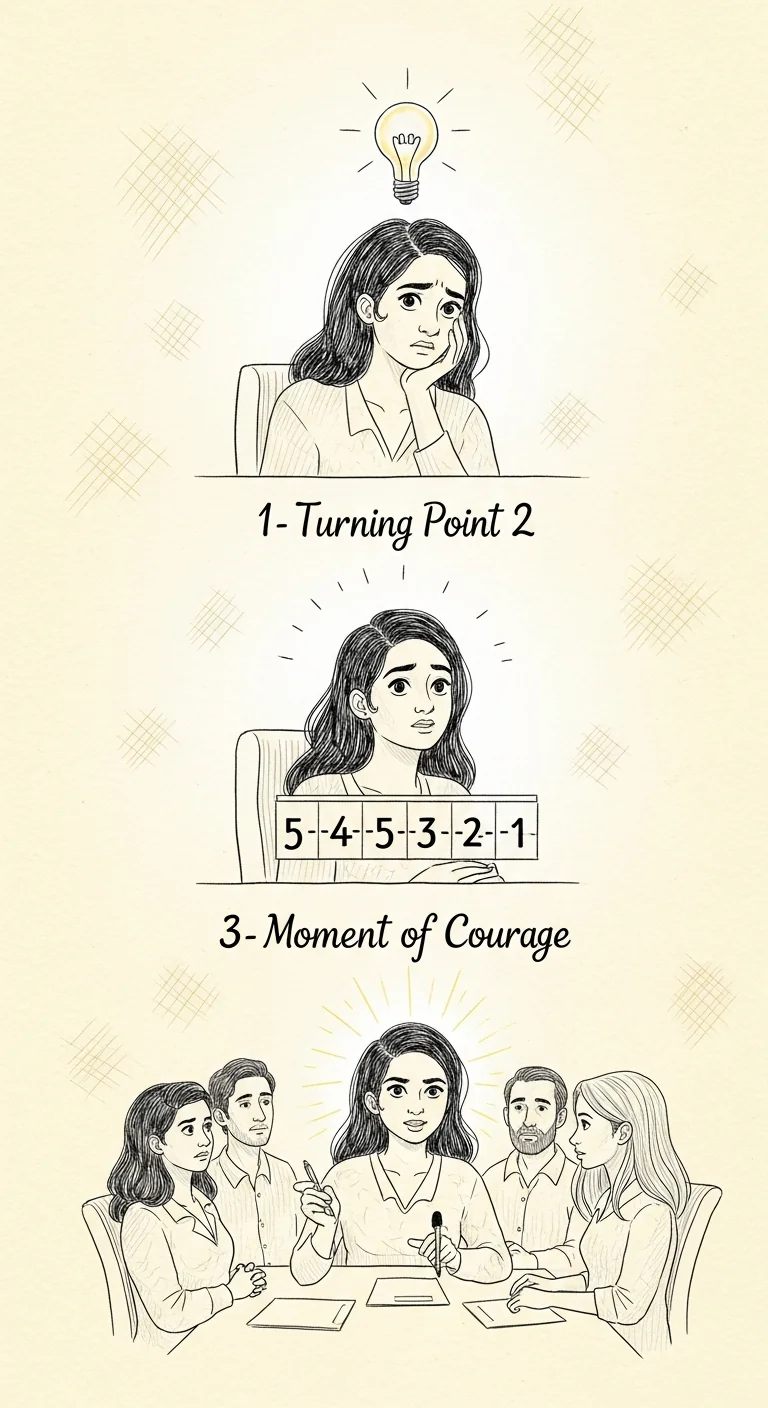
Here's Priya's powerful realization: She never spoke in meetings. After learning the 5-Second Rule, she committed to using it. Idea came up. Her brain started: 'Maybe it's not...' 5—4—3—2—1. She started talking. The idea sparked discussion that shaped the project.
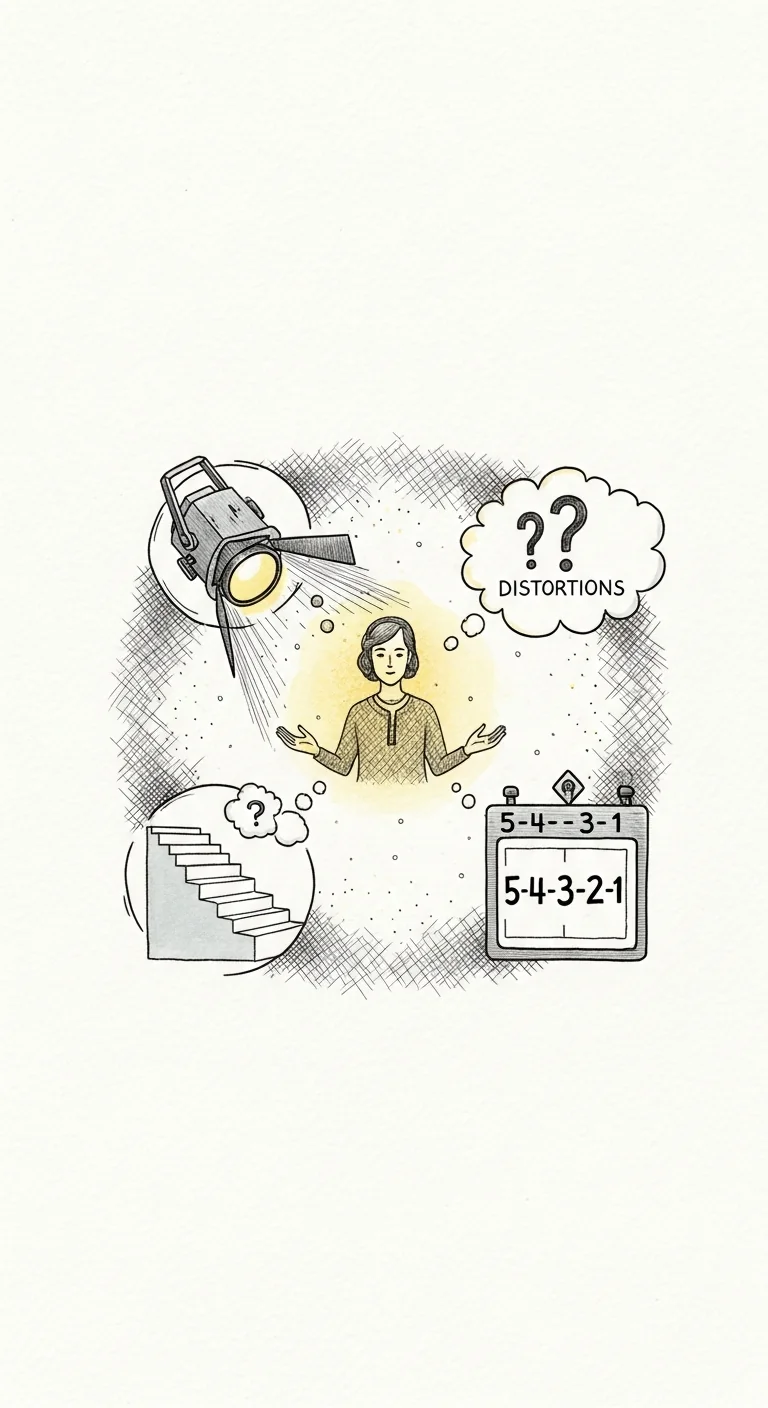
This is how all the tools combine: Spotlight effect means nobody's focusing on you anyway → Cognitive distortions are just thoughts, not facts → You can avoid OR face situations with graduated exposure → And the 5-Second Rule helps you ACT before overthinking kills the impulse. You're building a complete confidence toolkit.
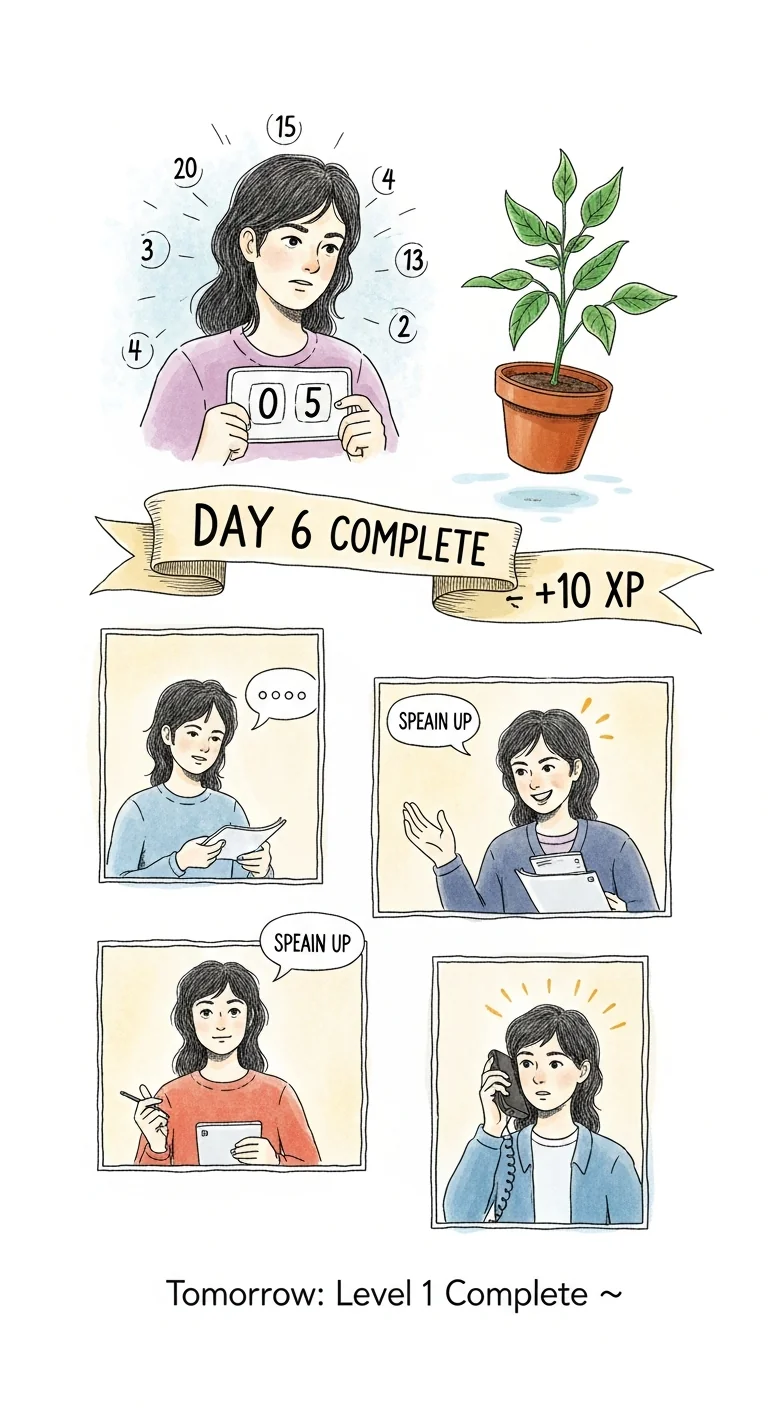
Your challenge: Use the 5-Second Rule at least ONCE today. Bonus: use it THREE times. When you feel an impulse to do something social (start conversation, speak up, make a call, share an opinion), count: 5—4—3—2—1—GO. Then move immediately. Notice what happens.