Part 1: Thought Patterns That Trap You
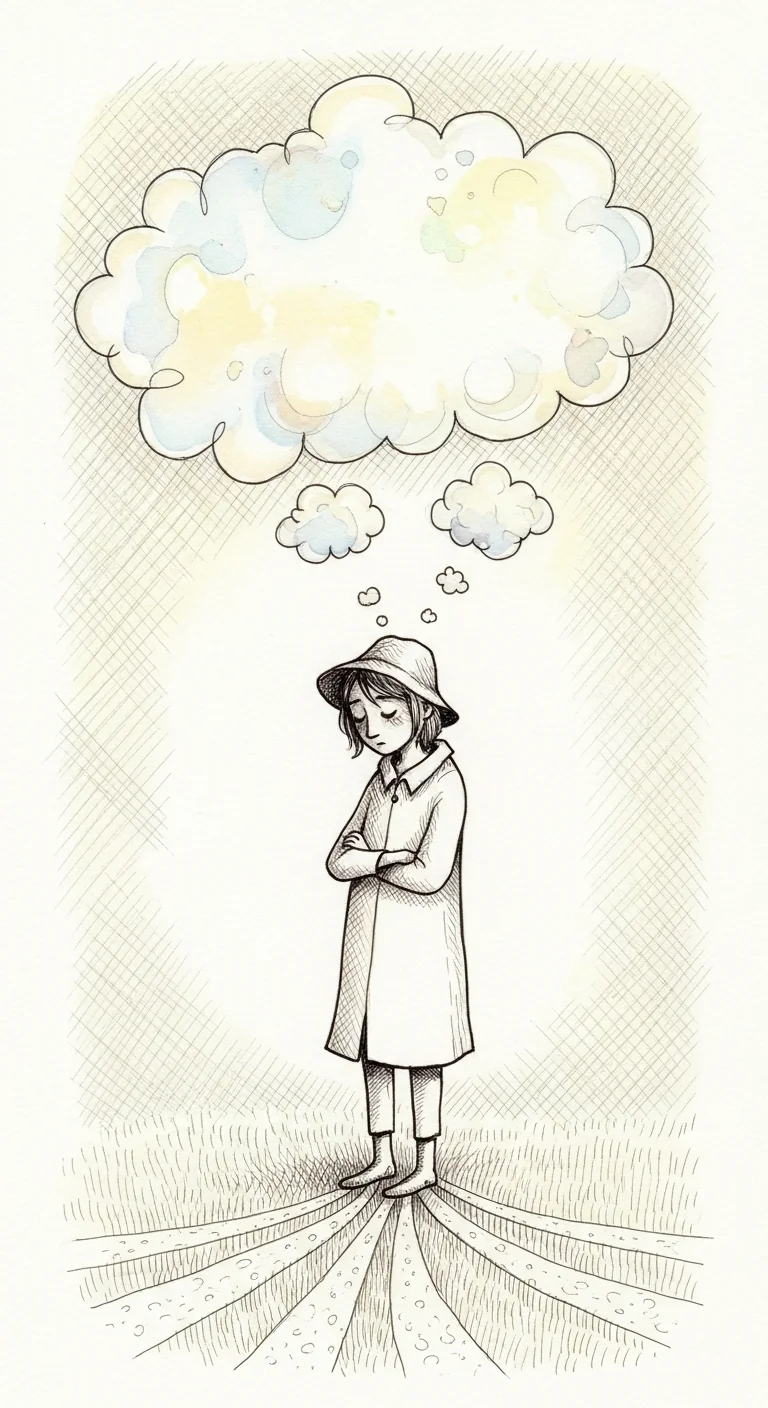
Three days in, you've learned something crucial: the spotlight effect means people barely notice you, and self-compassion matters more than self-criticism. Today we're going deeper—discovering how your thoughts create your reality.
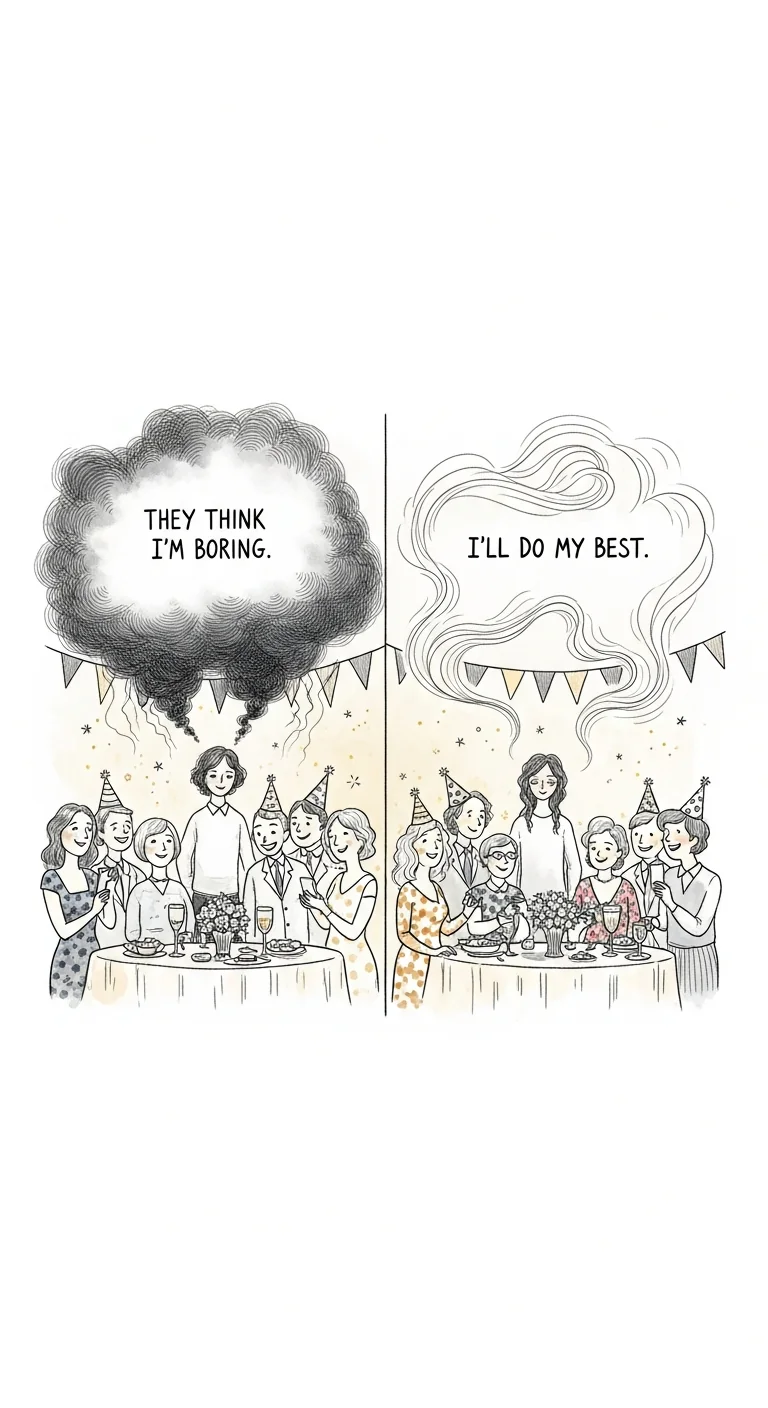
Here's the CBT truth: it's not the situation that creates anxiety—it's your THOUGHTS about the situation. Same party. Same people. Two different people with completely different internal experiences.
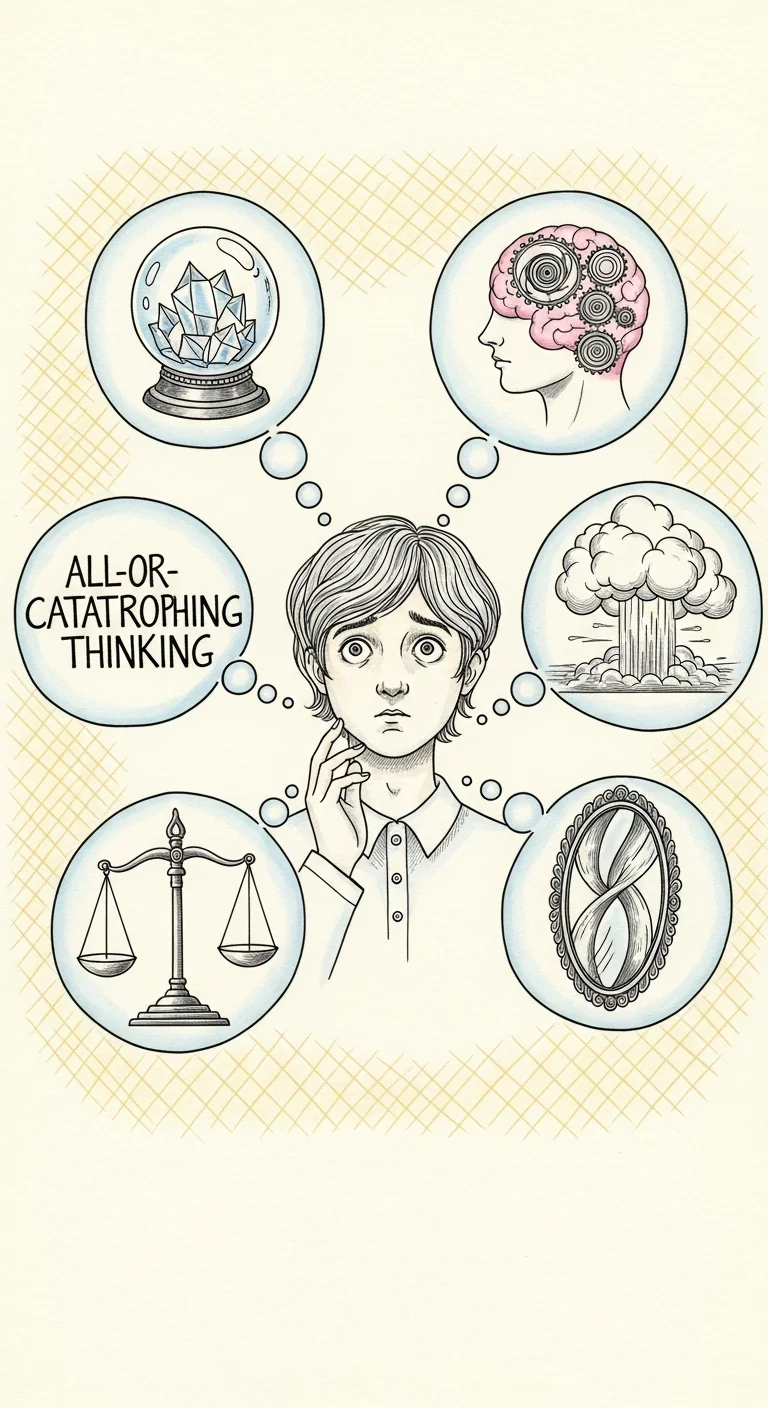
Cognitive distortions are thinking errors that keep you trapped. Mind reading: 'They think I'm boring.' Fortune telling: 'This will be awkward.' Catastrophizing: 'I'll humiliate myself.' These aren't facts—they're predictions your anxious brain is making.
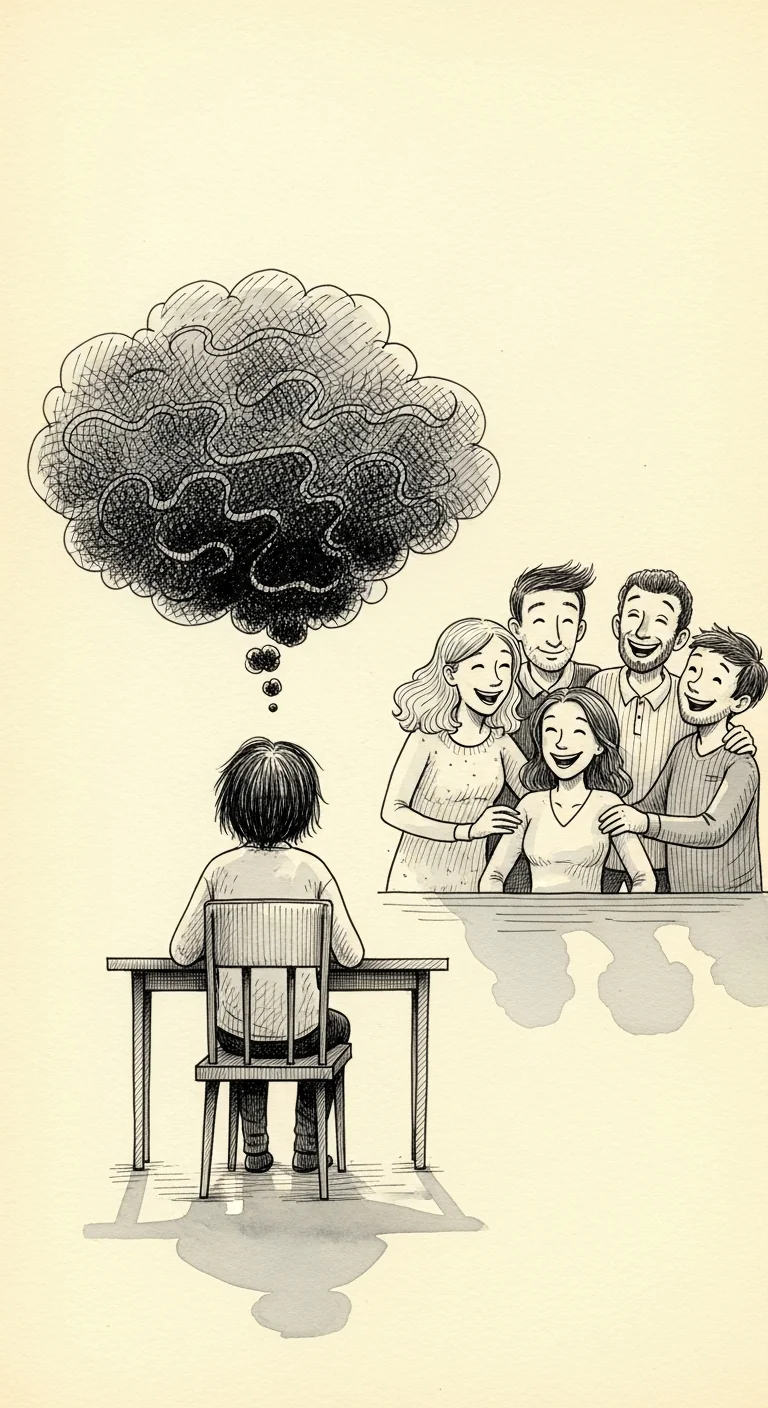
Let's ground this in a real example. You want to join a group conversation at lunch. Your automatic thought: 'They'll think I'm intruding.' Your anxiety spikes to 85/100. Your behavior: you sit alone instead.
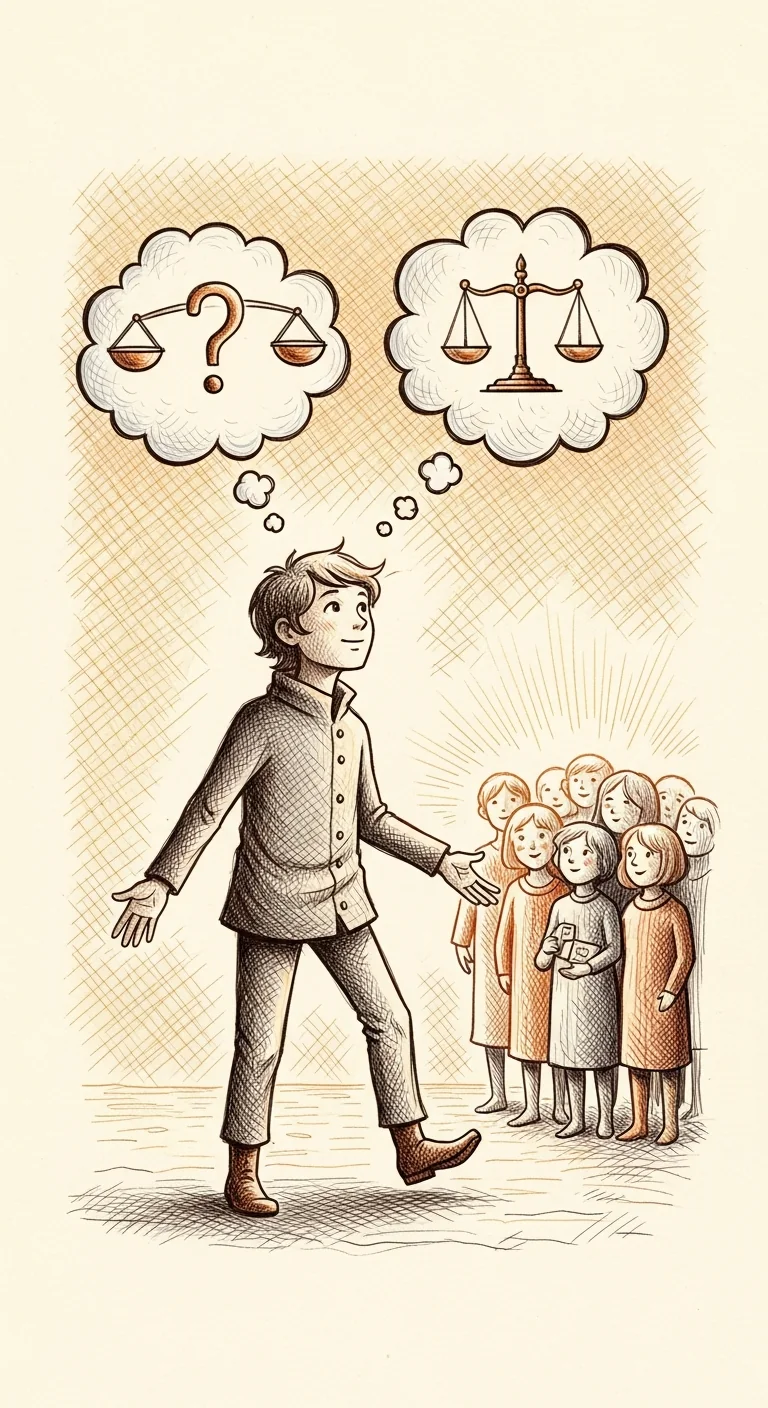
But here's where the magic happens: you challenge the thought. 'Can I actually read minds? Have I been welcomed into conversations before?' A more balanced thought: 'I don't know what they'll think. Most people are friendly.' Your anxiety drops to 40/100. Your behavior shifts: you approach with a smile.
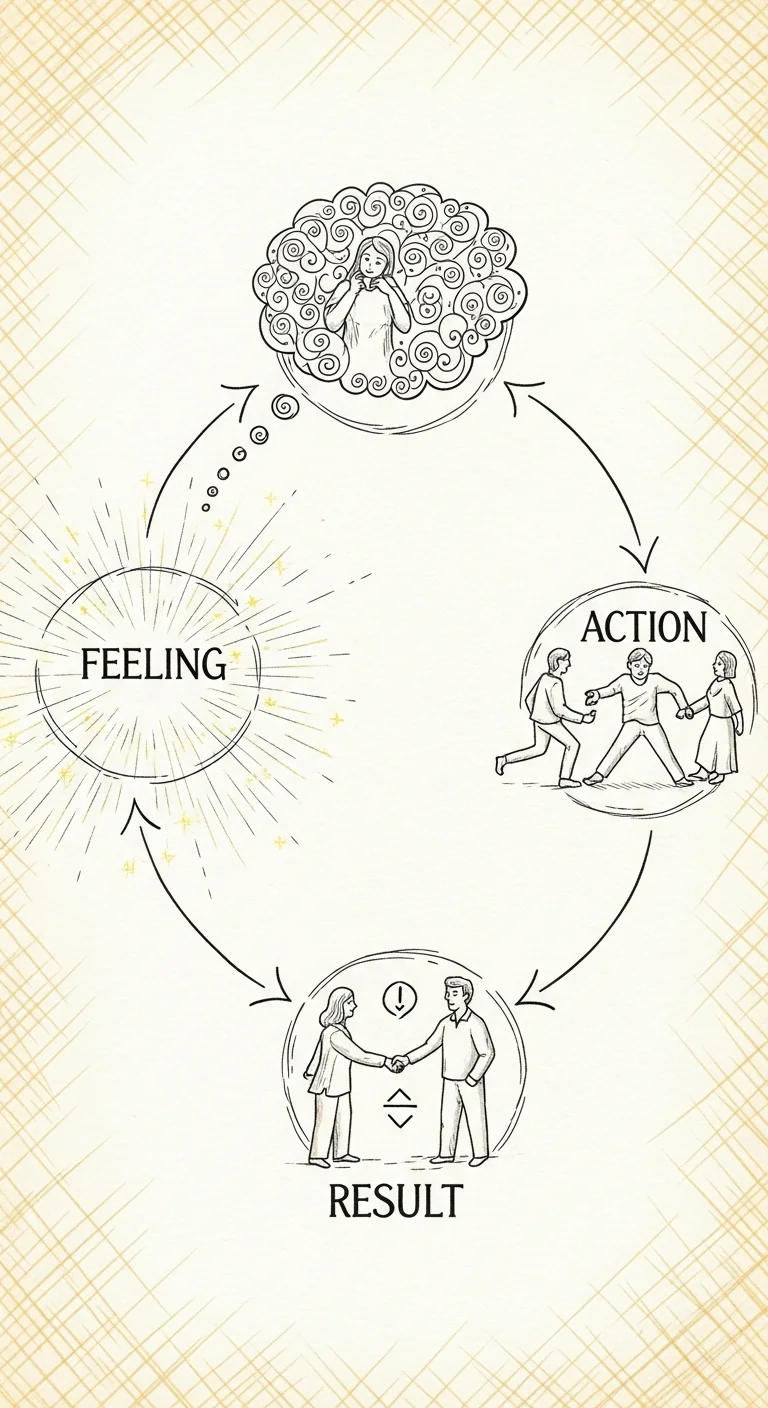
This is the core of what you'll learn in Part 2: when you change your thoughts, you change your feelings, which changes your behavior, which changes your results. The technique is called cognitive restructuring, and it's one of the most researched tools for building lasting confidence.
Part 2: Challenge Your Thoughts
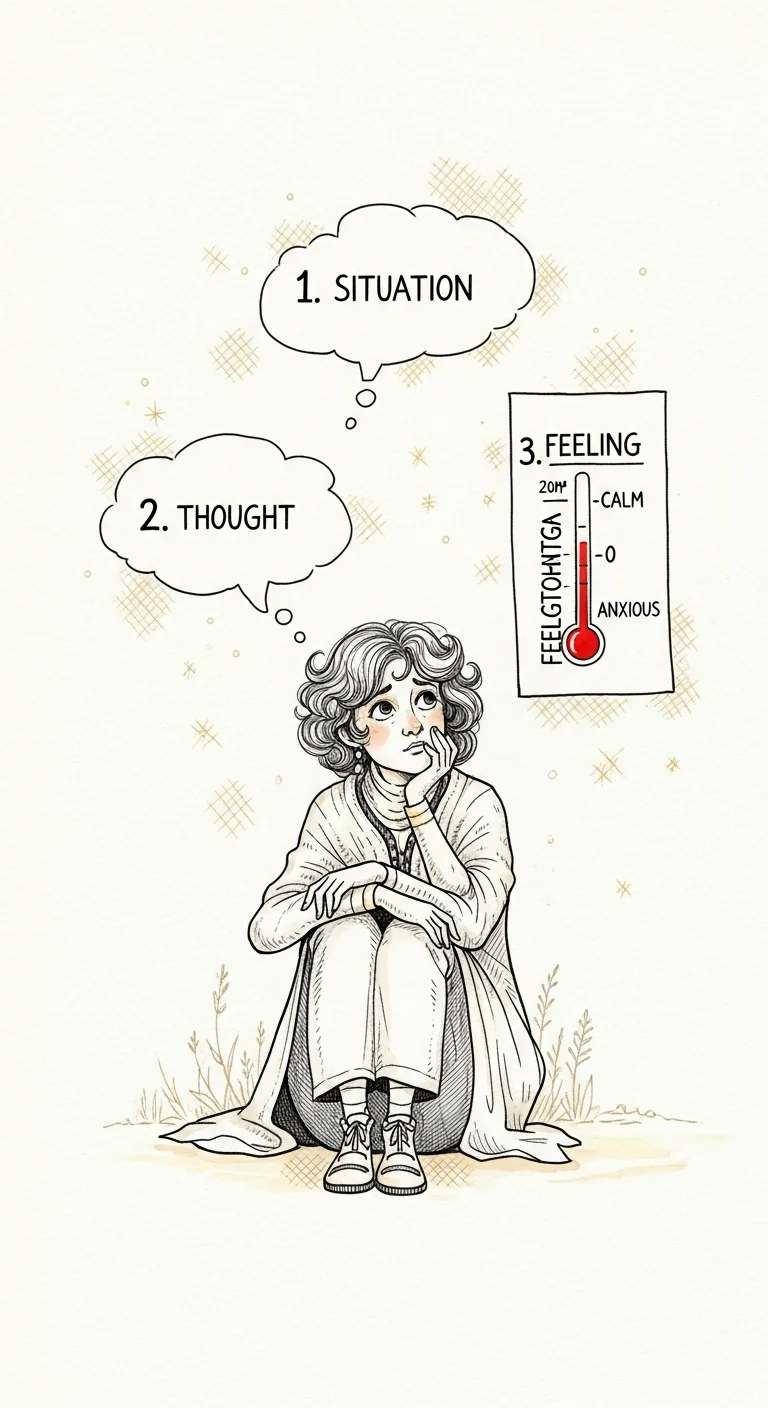
The cognitive restructuring process is a step-by-step skill. Step 1: Identify the situation. Step 2: Notice the automatic thought. Step 3: Identify the emotion and how intense it is (rate it 0-100). You're building awareness, which is where change starts.
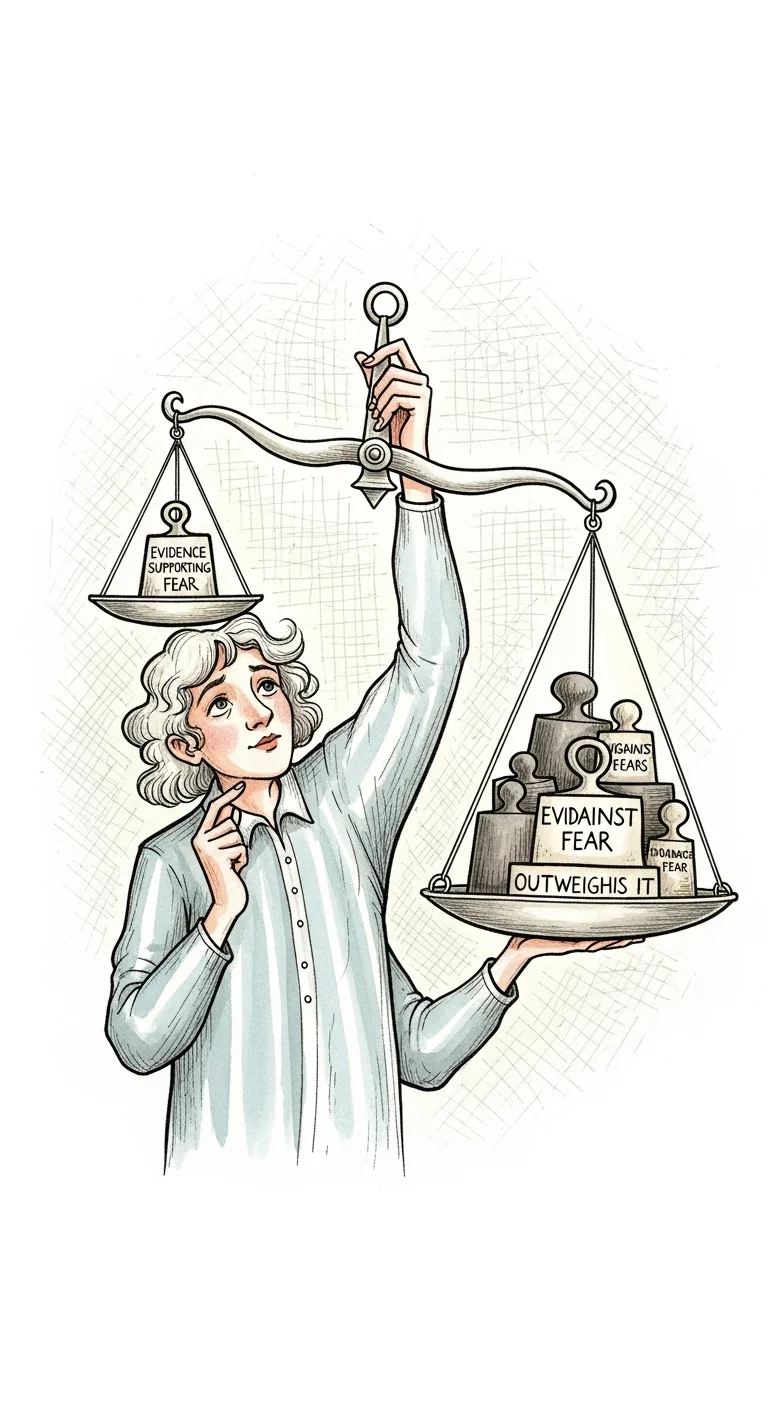
Now comes Step 4: Examine evidence. What evidence supports your anxious thought? What evidence contradicts it? Most people find more contradicting evidence than supporting it once they really look.
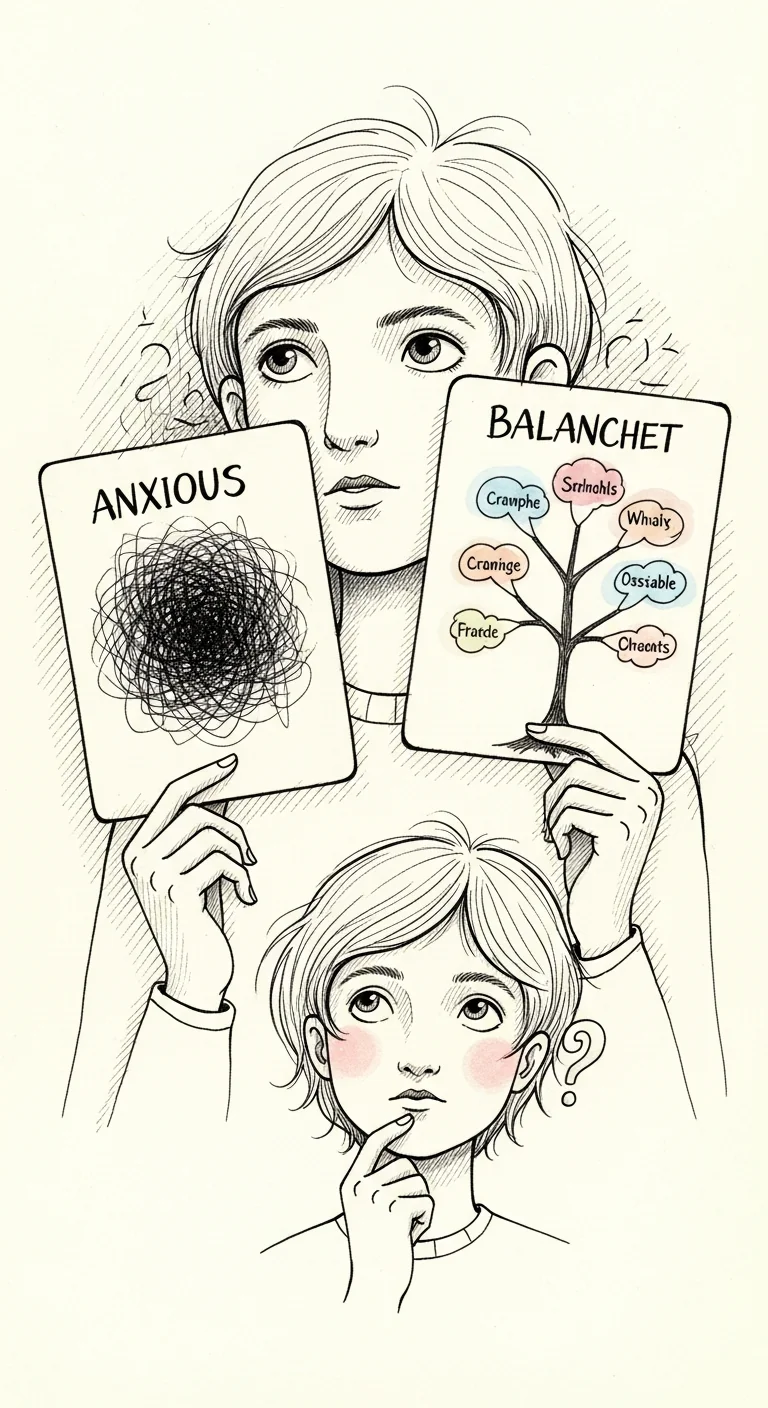
Step 5: Generate an alternative thought. This isn't positive thinking—it's ACCURATE thinking. 'My idea might be well-received, might spark discussion, or might not land—all are okay. The only failure is not contributing.' More balanced. More true.
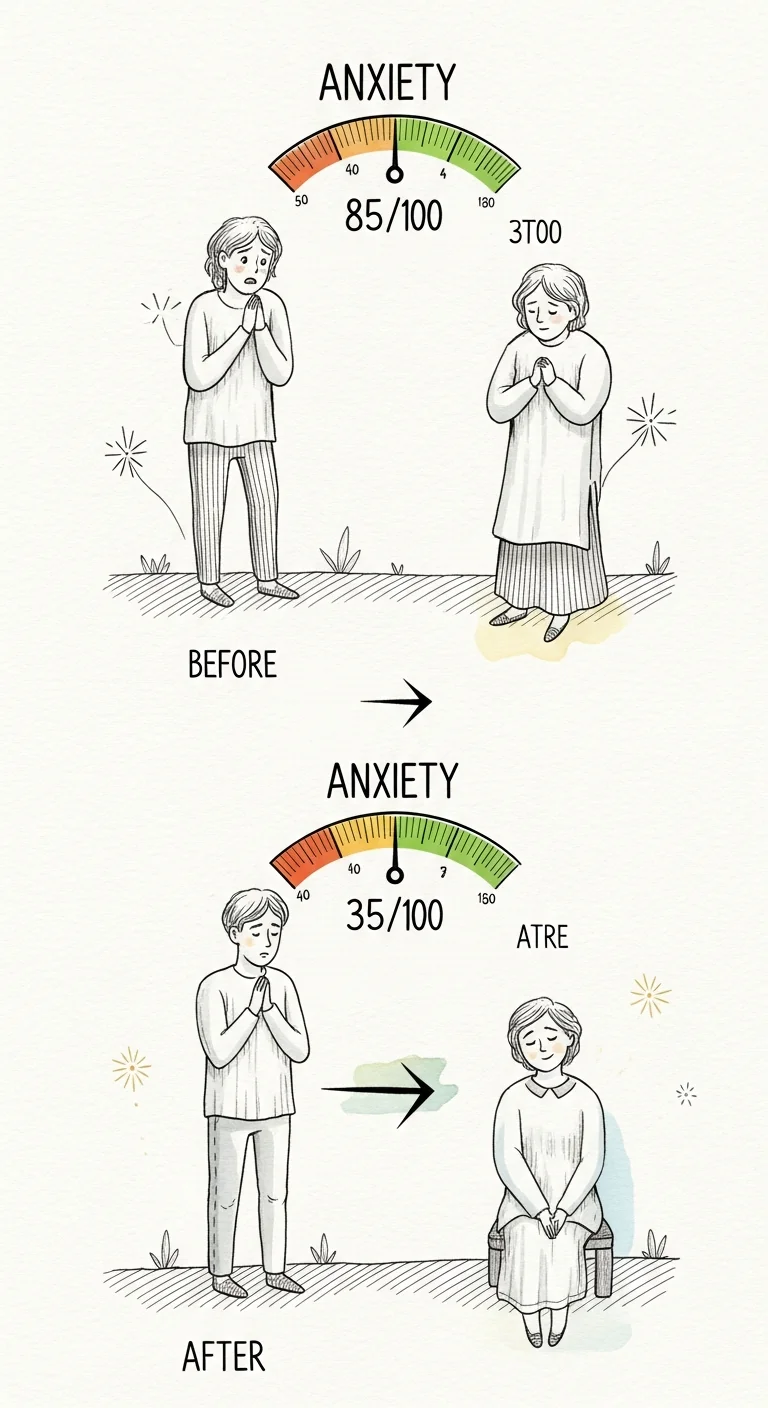
Step 6: Re-rate your emotion. After challenging the thought and generating an alternative, check in with your anxiety level. Most people find it's significantly lower—even though nothing external has changed yet.
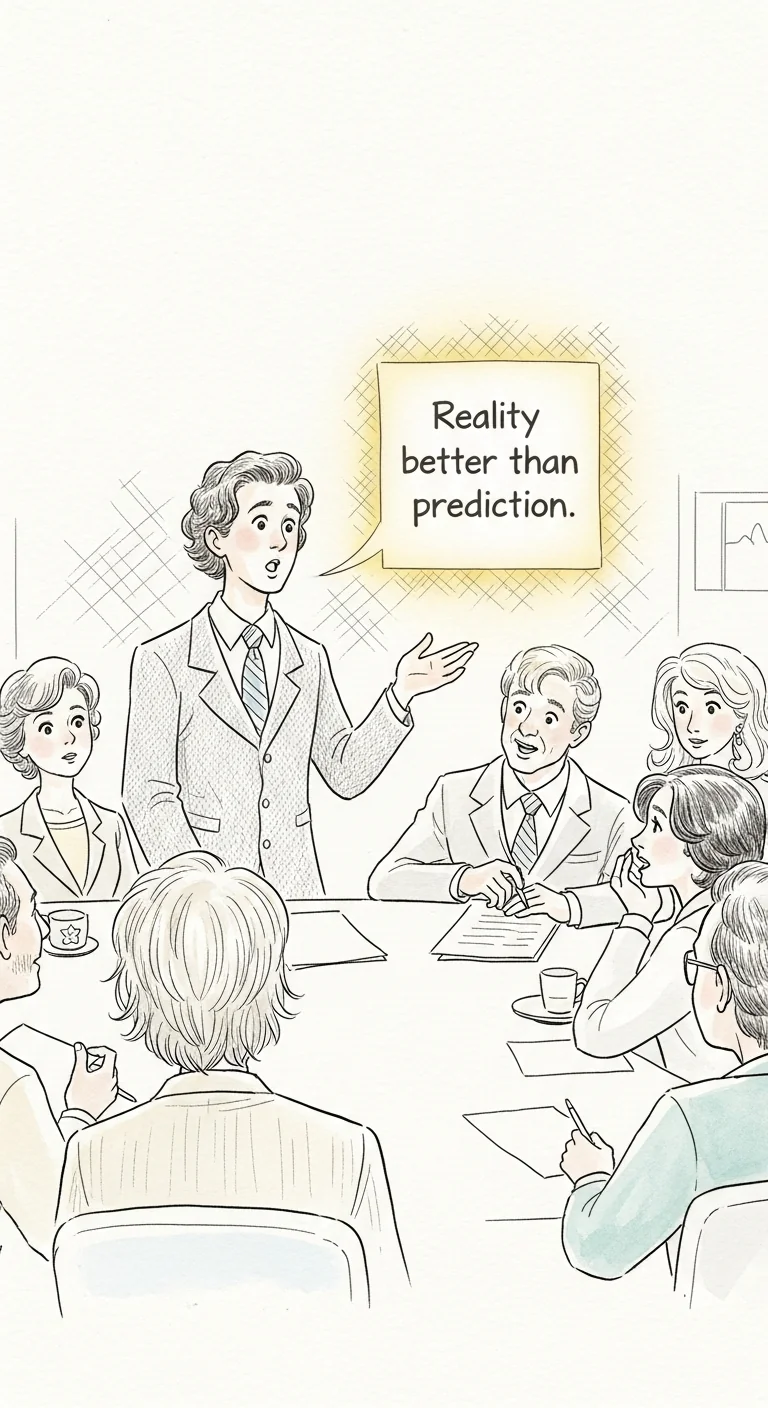
Step 7: Take action. Step 8: Observe the outcome. Here's the beautiful part—when you finally act (less anxious now), the outcome is usually BETTER than your original fearful prediction. You collect evidence that challenges your fear system.
Your challenge: Catch one negative thought today. Write it down. Identify the distortion. Challenge it with evidence. Generate a more balanced thought. Notice how your feeling shifts. This is the work that builds lasting confidence—not waiting to feel better, but thinking more accurately so you CAN feel better.